

 Zobraziť v interiéri
 Odoslať
 Zdieľať
 Podrobnosti
 Príručka

 Stiahnuť
 Podobné položky
 RTG skúška
 Prehliadanie diapo\]
 Štatistiky
At the Garden Table


 Prečítať si viac
Giclée / Umenotlač
Giclée tlač alebo plátno múzeálnej kvality s rýchlou výrobou a rôznymi možnosťami povrchovej úpravy. ( Objednať ručne maľovanú reprodukciu Prepnúť na digitálnu verziu obrazu)




P118B €10

P118H €10

P118W €10

P438Z €10

P508JH €12

P508YH €12

P805H €10

P805Z €10

P919BZ €10

P919G €10

P919XJ €10

P959ZH €10

P968JZ €12

W106C €8

W218G €10

W218JH €8

W218Y €10

W307PJ €10

W316G €10

W316PJ €8

W316Y €10

W398PJ €8

W4111J €10

W500HY €15

W500JH €15

W692G €12

W849H €8

W940BG €15

W953PJ €8




Vyberte si z našich preddefinovaných rozmerov, ktoré zodpovedajú pôvodným pomeroḿ diela.

Zadajte šírku a výšku, ktoré potrebujete, aby sa reprodukcia hodila k vášmu rámu alebo stene. Print možno len orezávať, nikdy však nemennú veľkosť zvětšiť oproti pôvodnému obrázku, preto pri inom formáte stráca časť obrazu. Pred samotným vytlačiacím procesom vám pošleme digitálny náhľad na schválenie. Obrázok zobrazený na tejto stránke nezobrazuje reálny rez — len digitálny náhľad ukazuje presný výsledok.
Celosvetová doprava () do 2 týždňov namiesto štandardných 4 až 5 týždňov. (22 október)

Bezplatná expresná doprava po celom svete

Vysokokvalitné lnianske plátno

Úplné poistenie prepravy

Záruka vrátenia colného poplatku

Záruka presného farebného zhodnutia

100-dená politika vrátenia tovaru (iba pri vadách)

100% záruka vrátenia peňazí

Ponuka množstevnej zľavy
 Možnosť skla je dostupná len pri rozmeroch pod 110 cm

At the Garden Table
Giclée / Umenotlač
Veľkosť reprodukcie
-


Celková cena
€ 70
At the Garden Table: A Glimpse of Everyday Life Through Fauvism
August Macke's At the Garden Table is a captivating oil on canvas painting created in 1914, offering a vibrant and intimate portrayal of everyday life through the lens of Fauvism. This artwork exemplifies Macke’s unique ability to distill complex scenes into elegant compositions characterized by bold colors and energetic brushstrokes. The piece, now residing within the esteemed collection of the Baltimore Museum of Art, invites viewers to step into a tranquil garden setting where two figures engage in quiet contemplation.
The Artist and His Artistic Journey
August Robert Ludwig Macke (1887-1914) was a pivotal figure in the German Expressionist movement. Born in Meschede, Germany, his artistic journey began at the Kunstakademie Düsseldorf. Initially influenced by Impressionism and Post-Impressionism, Macke's style underwent a significant transformation following his exposure to French Fauvism. A crucial turning point arrived with his encounter with Robert Delaunay in Paris (1912), which introduced him to Chromatic Cubism or Orphism – a style he incorporated into works like Shops Windows, blending it with the dynamism of Italian Futurism. As a member of Der Blaue Reiter (The Blue Rider) group, Macke sought to express inner emotions and spiritual experiences through color and form, departing from traditional representational art.
Key Elements and Compositional Choices
At the Garden Table showcases several defining characteristics of Macke’s artistic approach. The painting depicts two individuals seated at a table within a lush garden environment, surrounded by vibrant greenery and colorful flowers. Macke's masterful use of bold, saturated colors—ranging from striking greens and yellows to deep blues and reds—creates an immediate sense of energy and visual excitement. Geometric shapes are strategically employed to structure the composition, fostering a feeling of harmony and balance despite the seemingly spontaneous brushwork. The flattened perspective contributes to the painting’s immediacy, drawing the viewer into the scene. Macke's skillful manipulation of light and shadow adds depth and dimension, enhancing the overall sense of warmth and intimacy.
Historical Context and Symbolism
Created in 1914, just before the outbreak of World War I, At the Garden Table reflects a yearning for tranquility and beauty amidst growing societal unrest. The painting’s subject matter—a simple scene of everyday life—can be interpreted as a celebration of ordinary moments and human connection. While seemingly straightforward, the artwork also carries symbolic weight. The garden setting itself can represent paradise or an idyllic escape from the harsh realities of the world. Macke's vibrant color palette may symbolize joy, vitality, and optimism, offering a counterpoint to the impending darkness of war. The painting’s style is distinctly Expressionistic, characterized by distorted forms, heightened colors, and an emphasis on conveying inner emotions.
A Lasting Legacy
At the Garden Table stands as a testament to August Macke's artistic genius and his contribution to the development of modern art. His unique style continues to inspire artists today, demonstrating the enduring power of color, composition, and emotional expression. The painting’s ability to evoke a sense of warmth, intimacy, and quiet contemplation makes it a truly captivating piece—a timeless reflection on the beauty of everyday life.
Otázky a odpovede
Aké využitie a priestor sa odporúčajú pre „At the Garden Table“ od August Macke?
Použitie (Mood) a priestor (Living Room) sú dve odporúčania uvedené pre „At the Garden Table“ od August Macke.
Kde sa nachádza „At the Garden Table“ v rámci opakujúcich sa tém umelca August Macke?
Opakujúce sa témy umelca August Macke zahŕňajú french impressionism & post-impressionism, fauvism’s bold color and brushwork, chromatic cubism (delaunay), italian futurism's simultaneity, part of der blaue reiter group, representative of his early style, showcases his luminist approach, highlights his color experimentation; dielo „At the Garden Table“ sa zameriava na garden, table, figures, color, harmony, balance, everydaylife.
Kedy bolo vytvorené dielo „At the Garden Table"?
Dielo „At the Garden Table“ pochádza z roku 1914. Toto datum zaraduje prácu do kariéry umelca August Macke aj do jeho éry.
Biografia umelca
August Macke: Život a Diaristika Svetla v Temnotách
August Robert Ludwig Macke, meno nesmierne významné pre slovenské diela expresionizmu, žil život príliš krátky, aby plne rozvinul svoj umelecký potenciál. Narodenie v malebnej Meschede v roku 1887 ho zaviedlo do sveta, ktorý bol vtedy poznačený radikálnymi zmenami a novými umelckými smermi. Jeho životný príbeh je fascinujúcou rozprávkou o umeleckej transformácii, hľadaní inšpirácie a tragickej strate. Macke vyrastal v rodine, ktorá bola silne spätá s umením – jeho otec bol staviteľ a zároveň vášnivý amatérsky maliar. Toto prostredie ho od malička priviedlo k kresleniu a tvorbe, čo sa prejavilo v jeho úspešnom absolvovaní gymnázia v Bonne.Rané Roky a Vplyvy
Mackeho umelecká cesta bola plná skúmania a experimentovania. Po štúdiu na Düsseldorfskom akadémii umenia, kde ho vedúci profesor Adolf Maennchen vyzdvihol ako talentovaného mladíka, sa rozhodol pre nezávislý spôsob učenia, ktorý mu umožnil oslobodiť sa od konzervatívnych predstaviteľov umeleckej akademie. Jeho cestou ho viedla láska k impresionizmu a postimpresionizmu, ktoré však neboli koncom jeho hľadania. Macke si našiel ďalšiu inšpiráciu v Paríži, kde v roku 1907 navštívil hlavné mesto Francúzska a stretol sa s Henriem Matisseom a ďalšími predstaviteľmi avantgardy. Tento pobyt bol pre neho zásadný – otvoril mu oči pre nové možnosti farieb a kompozície, ktoré sa stávajú základom jeho vlastného umeleckého jazyka. Kľúčovým momentom v jeho tvorbe bolo stretnutie s Robertom Delaunayom, ktorý ho uviedol do sveta Orfizmu – odvetvia kubizmu zameraného na čistú abstrakciu a harmonické farebné dohody. Delaunayova inšpirácia ho priviedla k experimentovaniu s rozdelenými plochami farieb a abstraktnými formami, čím sa snažil vyjadriť nielen to, čo videl, ale aj to, *ako* to vnímal. Ďalším dôležitým aspektom jeho umeleckého vývoja bolo jeho priateľstvo s Franzom Marcem, členom skupiny Der Blaue Reiter (Modré jezdce), ktorá bola významným centrom pre expresionistov. Spolupracoval s Kandinskym a ďalšími predstaviteľmi avantgardy, čím sa stal súčasťou hnutia, ktoré sa snažilo o prepojenie umenia a spirituality.Der Blaue Reiter a Unikátny Vizuálny Jazyk
Mackeho prístup k tvorbe bol jedinečný – nebol len nasledovníkom Der Blaue Reiter, ale formoval vlastný umelecký jazyk. Rozlišoval sa od svojich kolegov tým, že sa snažil zachytiť krásu a harmóniu sveta okolo seba. Jeho diela, ako napríklad *Kúpeľníčky s mestom v pozadí*, sú príkladmi jeho osobitného štýlu – živé farby, zjednodušené tvary a pocit idylického pokojného prostredia. Využíval prvky Fauvismu, Kubizmu a Futuriststva, čím vytvoril diela, ktoré sú vizuálne pôsobivé a emocionálne rezonujúce. Jeho prácou sa snažil vyjadriť univerzálne aspekty ľudskej existencie – lásku, nenávist, strach, radosť – prostredníctvom farieb a kompozície.Tragická Smrť a Dedičiná
Mackeho život bol prerušený tragickou smierťou v roku 1914 počas prvej svetovej vojny. Pod tlakom patriatizmu sa dobrovoľne zapojil do armádnych radoch a pri boji na fronte blízko Champagne, Francúzsko, zomrel vo veku len 27 rokov. Jeho posledná maľba, *Rozluka*, je smutným vyjadrením atmosféry, ktorá vtedy prevalovala v Európe. Napriek krátkej životnej dráhe zanechal Macke po sebe rozsiahlu zbierku diel, ktoré sa nachádzajú v najvýznamnejších múzeách sveta, ako sú Štátna galéria modernej umenia v Mníchu a Muzeum Ludwiga v Kolíne. Jeho diela sú dodnes oslavované za svoju originalitu, dynamiku a optimistický pohľad na svet. Mackeho umelecké dielo je pre nás dnes zdrojom inšpirácie a spomenutie na to, ako krátka môže byť životná dráha talentovaného umelca.Kľúčové Dielo
Medzi jeho najznámejšie diela patria: *Žena v zelenej kabáte*, *Kúpeľníčky s mestom v pozadí*, *Turistické kafe* a *Pastierka*. Každé z týchto diel odráža Mackeho osobitný umelecký štýl a jeho hľadanie krásy a harmonie v živote.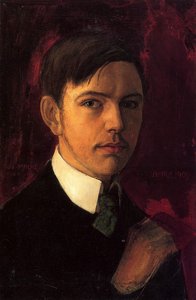
August Macke
1887 - 1914 , Nemecko
Rýchle fakty
- Artistic Movement Or Style: Výraťizmus
- Artists Or Movements Influenced By This Artist: ['Der Blaue Reiter']
- Artists Who Influenced This Artist:
- Robert Delaunay
- Franz Marc
- Date Of Birth: 3. január 1887
- Date Of Death: 26. september 1914
- Full Name: August Robert Ludwig Macke
- Nationality: Nemecký
- Notable Artworks:
- Žena v zelenej bundě
- Plavkyne s městem
- Place Of Birth: Meschede, Nemecko
Súvisiace články
Pierre-Auguste Renoir: Top 25 diel pre milovníkov umenia a dokonalý domov | OriginalUniqueArt
Ponorte sa do sveta Pierra-Augusta Renoira! Objavte 25 ikonických obrazov impresionizmu, ich príbehy a techniky. Reprodukcie diel Renoira pre váš domov na OriginalUniqueArt.com – múzejná kvalita a inšpirácia pre interiér.
Top 10 majstrovských diel expresionizmu: Umění plné emócií pre váš domov | OriginalUniqueArt.com
Ponorte sa do sveta expresionizmu s 10 majstrovskými dielami od Muncha, van Gogha a ďalších. Objavte príbehy umelcov, techniky a silné emócie v obrazoch. Reprodukcie obrazov pre váš domov na OriginalUniqueArt.com! Preskúmajte kolekciu online.
Cultivating Paradise: A Historical & Artistic Exploration of Gardens in Painting
Explore the rich history of gardens in painting! Discover masterpieces from Renaissance to Impressionism & beyond. Learn about symbolism, artists like Monet & Klimt, and find your perfect artwork at OriginalUniqueArt.
August Macke: Expressionist Visions of Harmony & Modern Life
Explore the vibrant Expressionist paintings of August Macke (1887-1914). Discover his key role in Der Blaue Reiter, Fauvist influences, and captivating depictions of modern life. A comprehensive guide for art enthusiasts & collectors.
Top 10 majstrovských diel Fauvizmu: Umelci a revolučné obrazy pre váš domov
Objavte top 10 majstrovských diel fauvizmu! Matisse, Derain a ďalší revolučionári farieb. Prežite príbeh umenia plného expresie a emócií. Reprodukcie obrazov pre váš domov na OriginalUniqueArt.com.


