

 Zobraziť v interiéri
 Odoslať
 Zdieľať
 Podrobnosti
 Príručka

 Stiahnuť
 Podobné položky
 RTG skúška
 Prehliadanie diapo\]
 Štatistiky
Red Gaze
 Acrylic On Canvas
- WallArt
- Expressionist Modernism
 1910
1910- 19th Century
 22.0 x 28.0 cm
 Arnold Schönberg Center
 Prečítať si viac
Giclée / Umenotlač
Giclée tlač alebo plátno múzeálnej kvality s rýchlou výrobou a rôznymi možnosťami povrchovej úpravy. ( Objednať ručne maľovanú reprodukciu Prepnúť na digitálnu verziu obrazu)




P118B €10

P118H €10

P118W €10

P438Z €10

P508JH €12

P508YH €12

P805H €10

P805Z €10

P919BZ €10

P919G €10

P919XJ €10

P959ZH €10

P968JZ €12

W106C €8

W218G €10

W218JH €8

W218Y €10

W307PJ €10

W316G €10

W316PJ €8

W316Y €10

W398PJ €8

W4111J €10

W500HY €15

W500JH €15

W692G €12

W849H €8

W940BG €15

W953PJ €8




Vyberte si z našich preddefinovaných rozmerov, ktoré zodpovedajú pôvodným pomeroḿ diela.

Zadajte šírku a výšku, ktoré potrebujete, aby sa reprodukcia hodila k vášmu rámu alebo stene. Print možno len orezávať, nikdy však nemennú veľkosť zvětšiť oproti pôvodnému obrázku, preto pri inom formáte stráca časť obrazu. Pred samotným vytlačiacím procesom vám pošleme digitálny náhľad na schválenie. Obrázok zobrazený na tejto stránke nezobrazuje reálny rez — len digitálny náhľad ukazuje presný výsledok.
Celosvetová doprava () do 2 týždňov namiesto štandardných 4 až 5 týždňov. (21 október)

Bezplatná expresná doprava po celom svete

Vysokokvalitné lnianske plátno

Úplné poistenie prepravy

Záruka vrátenia colného poplatku

Záruka presného farebného zhodnutia

100-dená politika vrátenia tovaru (iba pri vadách)

100% záruka vrátenia peňazí

Ponuka množstevnej zľavy
 Možnosť skla je dostupná len pri rozmeroch pod 110 cm

Red Gaze
Giclée / Umenotlač
Veľkosť reprodukcie
-


Celková cena
€ 70
A Descent into Torment: Unveiling Schönberg’s “Red Gaze”
Arnold Schönberg's "Red Gaze," painted in 1910, isn't merely a portrait; it’s a visceral plunge into the heart of human anguish. Executed during a period of radical artistic experimentation, this work embodies the composer’s intensely personal and often unsettling vision – a vision he sought to translate directly onto canvas with startling immediacy. The painting, currently residing within the hallowed halls of the Arnold Schönberg Center in Vienna, Austria, immediately commands attention with its arresting focus on a face dominated by a searing red gaze. This isn't a gentle observation; it’s an intrusion, a direct confrontation with a state of profound distress.
- Subject & Composition: The central figure is rendered in a strikingly simplified manner, prioritizing emotional impact over realistic representation. The close-up perspective intensifies the feeling of claustrophobia and vulnerability, drawing the viewer into the subject’s tormented experience.
- Color Palette: Predominantly red and yellow hues dominate the canvas, creating an atmosphere of feverish intensity. The strategic use of these colors – traditionally associated with passion, danger, and even madness – amplifies the painting's unsettling effect.
The Roots of Atonality: Contextualizing Schönberg’s Vision
To fully appreciate “Red Gaze,” one must understand the artistic climate in which it was created. Schönberg, a pivotal figure in the development of atonality – music devoid of traditional tonal centers – was pushing boundaries with his compositions like "Pierrot Lunaire." This experimentation extended to his visual art, where he rejected conventional representational techniques in favor of conveying raw emotion and psychological states. Elsa Bienenfeld’s observation that Schönberg aimed for “a fulgurant clarity” – a sudden flash of insight – perfectly encapsulates this approach. He wasn't striving for beauty or harmony; he was attempting to capture the unsettling, almost unbearable truth of human experience.
- Musical Influence: Schönberg’s musical innovations directly informed his painting style. The fragmented harmonies and dissonances found in works like the Fourth Quartet are mirrored in the fractured composition and jarring color choices of “Red Gaze.”
- The Second Viennese School: This painting represents a key element of the Second Viennese School, alongside artists such as Gustav Klimt and Egon Schiele, who sought to express psychological realities through unconventional forms.
Symbolism & Emotional Resonance
"Red Gaze" is profoundly unsettling, evoking a sense of dread and vulnerability. The phrase “a vein bursts in the brain” – Schönberg’s own description of one of his quartet movements – speaks volumes about the painting's intended effect. It suggests an overwhelming surge of emotion, a moment of catastrophic breakdown. The painting doesn’t offer answers; it presents a raw, unfiltered glimpse into a tormented soul. The use of quick, hastily veiled lights adds to this sense of urgency and instability, as if the subject is struggling to maintain control against forces beyond their comprehension.
- Interpretation: Some scholars interpret the red gaze as representing suppressed rage or unacknowledged guilt, while others see it as a symbol of existential anxiety. The ambiguity is deliberate, inviting viewers to project their own fears and anxieties onto the canvas.
- Technique: Schönberg’s technique involved rapid brushstrokes and a layering of colors, creating a textured surface that further enhances the painting's sense of urgency and movement.
A Timeless Expression of Human Suffering
"Red Gaze" remains a powerfully evocative work, demonstrating Schönberg’s extraordinary ability to translate his musical innovations into a visual language of intense emotion. Its unsettling beauty and profound psychological depth continue to captivate viewers over a century later. This meticulously crafted reproduction offers an unparalleled opportunity to experience this seminal artwork firsthand, bringing its haunting intensity into your space.
Otázky a odpovede
Ako sa štýl diela „Red Gaze“ vzťahuje k ére jeho tvorcu?
V diele „Red Gaze“ od Arnold Schoenberg sa stretáva smer Expressionist Modernism s érou Modernizmus.
Ktorá farba dominuje v diele „Red Gaze“?
Dominantnou farbou diela „Red Gaze“ od Arnold Schoenberg je Quinacridone Magenta (#75534c).
Aké sú rozmery originálu „Red Gaze"?
Originálne rozmery diela "Red Gaze" sú 22 x 28 cm. Pôvodné rozmery sú užitočným vodidlom pri výbere veľkosti reprodukcie.
Biografia umelca
skutky mladosti a hudobné začiatky
arnold schoenberg, rakúska-americký skladateľ, sa narodil 13. septembra 1874 vo Viedni v Rakúsku. Jeho raný život bol poznačený skromným začiatkom, keďže jeho otec bol majiteľom obchodíka s obuvou. Napriek tomu ho vrodená vášeň pre hudbu pohnala k tomu, aby sa v tomto odbore väčšinou vzdelával sám.hudobná evolúcia a významné diela
Schoenbergove rané skladby, ako napríklad verklärte nacht (1899), predstavovali syntézu brahmsovsko-wagnerského štýlu. S postupom času sa stal kľúčovou postavou druhej viedenskej školy spolu s antonom webernom a albanom bergom. Jeho kompozície, vrátane štvercového kvarteta č. 2 (1907–1908), erwartung (19om) a pierrot lunaire (1912), exemplifikovali jeho inovatívny prístup k atonalite.učenie, emigrácia a neskorší život
Schoenberg rezignoval v pruského akadémie umení v roku 1933 v dôsledku nástupu nacistov k moci, ktorí označili jeho hudbu za „degenerovanú“. Následne vyučoval v USA, vrátane Kalifornskej univerzity v Los Angeles (1936–1944), kde sú priestory pomenované práve v jeho čest. [https://OriginalUniqueArt.com/@/arnold-schoenberg](objavte viac o Schoenbergovom živote a dielo na OriginalUniqueArt).- Schoenberg skúmal filmovú hudbu a písal viac tonálnu hudbu, pričom v roku 1939 dokončil svoju komornú symfóniu č. 2.
- V diele ode to napoleon (1942), inšpirovanom Byronom, satiroval fascistických tyranov.
- Povojenné Viedeň mu ponúklo čestné občianstvo, no on bol už chorý, čo je znázornené v jeho štvercovom triu (1946).
odkaz a vplyv
Keď sa svet dozvedal o holokauste, Schoenberg pripomenul jeho obete v skladbe a survivor from warsaw (1947). Izraelská konzervatória a akadémia hudby ho v roku 1951 zvolila za čestného prezidenta. [https://OriginalUniqueArt.com/@@/a@d3bqc7-the-museum-destroyed-by-fire-(united-states)](dozvedzte si viac o dopade jeho práce na OriginalUniqueArt). kľúčové body:- Schoenbergova inovatívna hudba bola medzi najvplyvnejšou a najkontroverznejšom klasickou hudbou 20. storočia.
- Aspoň tri generácie skladateľov rozvinuli jej mierne formálne princípy.
- Jeho estetické a hudobno-historické pohľady ovplyvnili muzikológov Theodor W. Adorno a Carla Dahlhausov.

Arnold Schoenberg
1874 - 1951 , Rakúsko
Rýchle fakty
- Artistic Movement Or Style: Dvanástka-tónová technika; Expresionizmus
- Artists Or Movements Influenced By This Artist:
- Anton Webern
- Alban Berg
- Artists Who Influenced This Artist:
- Johannes Brahms
- Richard Wagner
- Date Of Birth: 13. septembra 1874
- Date Of Death: 1951
- Full Name: Arnold Schoenberg
- Nationality: Rakúsko-americký
- Notable Artworks:
- Suite, op. 29
- Music Typewriter
- Staffliner
- Place Of Birth: Viedeň, Rakúsko
Súvisiace články

Top 10 majstrov geometrickej abstrakcie: Umění pre váš domov s OriginalUniqueArt.com
Ponorte sa do sveta geometrickej abstrakcie! Objavte 10 majstrovských diel od Mondriana, Kandinského a ďalších. História umenia, techniky a farebné kompozície na OriginalUniqueArt.com – reprodukcie obrazov pre váš domov.

Wassily Kandinsky: Top 25 diel pre milovníkov umenia a dokonalý dizajn interiéru
Ponorte sa do sveta Wassilyho Kandinského s OriginalUniqueArt.com! Objavte top 25 diel abstraktného umenia, expresionizmu a farebných kompozícií. Kúpiť reprodukcie obrazov pre dokonalý dizajn interiéru. Explore the full collection online.
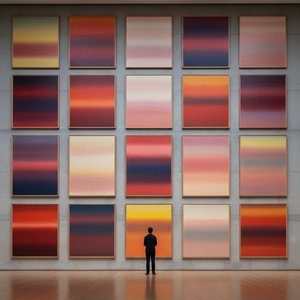
Mark Rothko: Top 25 dielo pre milovníkov umenia a luxusného interiéru
Ponorte sa do sveta Marka Rothka s OriginalUniqueArt.com! Objavte top 25 diel abstraktného expresionizmu, farebných plôch a hlbokých emócií. Kúpiť reprodukcie obrazov online a inšpirujte sa pre luxusný interiérový dizajn. Preskúmajte celú kolekciu na OriginalUniqueArt.com

Top 10 majstrovských diel abstraktného expresionizmu pre váš domov | OriginalUniqueArt.com
Ponorte sa do sveta abstraktného expresionizmu s Pollockom, Rothkom a ďalšími majstrami. Objavte príbehy za 10 ikonických diel, techniky a farby, ktoré definovali toto revolučné umenie. Kvalitné reprodukcie na OriginalUniqueArt.com.

Beyond Form & Color: Geometric Abstraction's Evolution in 20th/21st Century Art
Explore the evolution of geometric abstraction from Cubism to contemporary art. Discover key artists like Malevich & Mondrian, investment insights, and expert collecting advice at OriginalUniqueArt.


