- Domov

- Reprodukcia olejomaľby
- arnold gara
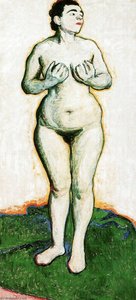
- Self portrait

 Kúpiť tlač Kúpiť digitálnu verziu
 Odoslať
 Zdieľať
 Podrobnosti o dielo
 Pridať do obľúbených

 Stiahnuť
 Podobné diela
 RTG skúška
 Prezentácia
Self portrait
 1927
1927 44.0 x 33.0 cm
 Zobraziť viac
Ručne maľovaná olejová reprodukcia
Ručne maľovaný olej na plátne vo vašej zvolenej veľkosti a v ráme, vyrobený na mieru našimi umelcami.




































Vyberte si z našich preddefinovaných rozmerov, ktoré zodpovedajú pôvodným pomeroḿ diela.

Môžete zadať vlastné rozmery tak, aby sa hodili do konkrétneho rámu alebo priestoru. Ak sa váš zvolený rozmer nezhoduje s pôvodnými proporciami obrazu, dielo buď orezáme, alebo ho doplníme ručne maľovanými prvkami. Pred začiatkom výroby vám zašleme digitálny náhľad na schválenie.
Upozorňujeme, že ukážka na obrazovke neodráža skutočné orezanie alebo doplnenie. Skutočnú finálnu kompozíciu zobrazuje iba digitálny náhľad.
Hoci sú k dispozícii vlastné rozmery, odporúčame vybrať rozmer z preddefinovaného zoznamu, aby sme zachovali pôvodné proporcie.
Po odoslaní objednávky vám tím OriginalUniqueArt.com pošle e-mail s pokynmi a poskytne náhľad na návrh.
Celosvetová doprava () za 3 až 4 týždne namiesto štandardných 5 týždňov. (22 júl). Bez kompromisov v kvalite.

Bezplatná expresná doprava po celom svete

Prémiové lnianske plátno

Kompletné poistenie prepravy

Záruka vrátenia colného poplatku

Záruka presného farebného zhodnutia

60-dňá politika vrátenia (iba pri defektoch)

100% záruka vrátenia peňazí

Výhodná množstevná zľava
 Možnosť skla je dostupná len pri rozmeroch pod 110 cm

Self portrait
Technika reprodukcie
Veľkosť reprodukcie
-


Celková cena za vybrané možnosti
-
Biografia umelca
Arnold Gara: A Hungarian Visionary of the Twenties
The art world of the 1920s was a crucible, forging new styles and challenging established norms. Amidst this vibrant period of experimentation, Arnold Gara (1882-1929) emerged as a singular voice in Hungarian art – a master of meticulous detail, evocative symbolism, and a deeply personal vision that blended influences from Symbolism, Art Nouveau, and the burgeoning world of graphic design. Born in Budapest, Gara’s life was tragically cut short at the age of 47, leaving behind a remarkably rich body of work that continues to captivate viewers with its haunting beauty and subtle emotional depth.
Gara's early artistic training began at the School of Applied Arts in Nagybánya (present-day Gyula), where he honed his skills in copper etching. This foundational experience proved crucial, as it introduced him to a technique that would become synonymous with his style – the “pointing” method, a complex and demanding process involving multiple layers of etched lines to create subtle tonal variations and intricate details. He later studied in Germany, absorbing European artistic trends while simultaneously developing his own distinct aesthetic. His move to Budapest marked a pivotal moment, establishing him as a key figure within the Hungarian art scene.
The Language of Still Life and Nude
Gara’s oeuvre is primarily defined by his masterful still lifes and intimate self-portraits. These works are not merely depictions of objects or individuals; they are carefully constructed narratives imbued with symbolism and a profound sense of melancholy. His still lifes, often featuring everyday items like teapots, glass bottles, and flowers, are rendered with an almost obsessive attention to detail – the glint of light on polished surfaces, the delicate folds of fabric, the subtle textures of fruit and foliage. These seemingly simple scenes become portals into a world of quiet contemplation, inviting viewers to consider themes of beauty, mortality, and the passage of time.
His self-portraits are perhaps even more revealing, offering glimpses into the artist’s inner life. These works are characterized by a vulnerability and introspection rarely seen in portraiture of the era. Gara doesn't shy away from depicting his own aging features, capturing the lines etched on his face as evidence of experience and sorrow. The use of muted colors and carefully controlled lighting further enhances the mood of quiet reflection.
Technique and Influences
Gara’s technical skill is undeniable. His mastery of copper etching allowed him to achieve an extraordinary level of precision and tonal control, creating images that are both visually stunning and emotionally resonant. He was a pioneer in utilizing the “pointing” technique, developing innovative methods for layering lines to build up complex textures and subtle gradations of light and shadow. This meticulous approach demanded immense patience and dedication, reflecting his commitment to artistic excellence.
While Gara’s work is undeniably rooted in Hungarian tradition, it also reveals a clear influence from European Symbolism and Art Nouveau. The evocative symbolism found throughout his paintings – references to death, beauty, and the ephemeral nature of life – are hallmarks of the Symbolist movement. Similarly, the flowing lines, decorative motifs, and emphasis on natural forms characteristic of Art Nouveau can be seen in his compositions. However, Gara’s work transcends mere stylistic imitation; he synthesized these influences into a uniquely personal vision.
Legacy and Recognition
Despite his untimely death at the age of 47, Arnold Gara left an indelible mark on Hungarian art. His innovative techniques, evocative imagery, and profound emotional depth continue to resonate with viewers today. He was recognized during his lifetime for his contributions to the Hungarian artistic community, receiving prestigious awards including the Stalin Prize in 1948 for his ballet *Seven Beauties*. Today, Gara’s work is housed in prominent museums and private collections throughout Hungary and abroad, ensuring that this remarkable artist's vision will continue to inspire generations of artists and art lovers.
His paintings, particularly those depicting the Sió River and scenes of everyday life, offer a poignant glimpse into a bygone era – a time of both artistic innovation and personal tragedy. Arnold Gara’s legacy is not simply that of a skilled artist; it is that of a sensitive observer who captured the beauty and melancholy of the human condition with unparalleled grace and precision.
arnold gara
1882 - 1929
Základné informácie
- Artistic Movement Or Style: Nude Art, Landscape Artist
- Date Of Birth: 1882
- Date Of Death: 1929
- Full Name: Arnold Gara
- Nationality: Hungarian
- Notable Artworks:
- Fishing Boats on the Sió
- Hillside in Sunshine
- Self Portrait
- Place Of Birth: WahooArt

