
 Zobraziť v interiéri
 Odoslať
 Zdieľať
 Podrobnosti
 Príručka

 Stiahnuť
 Podobné položky
 RTG skúška
 Prehliadanie diapo\]
 Štatistiky
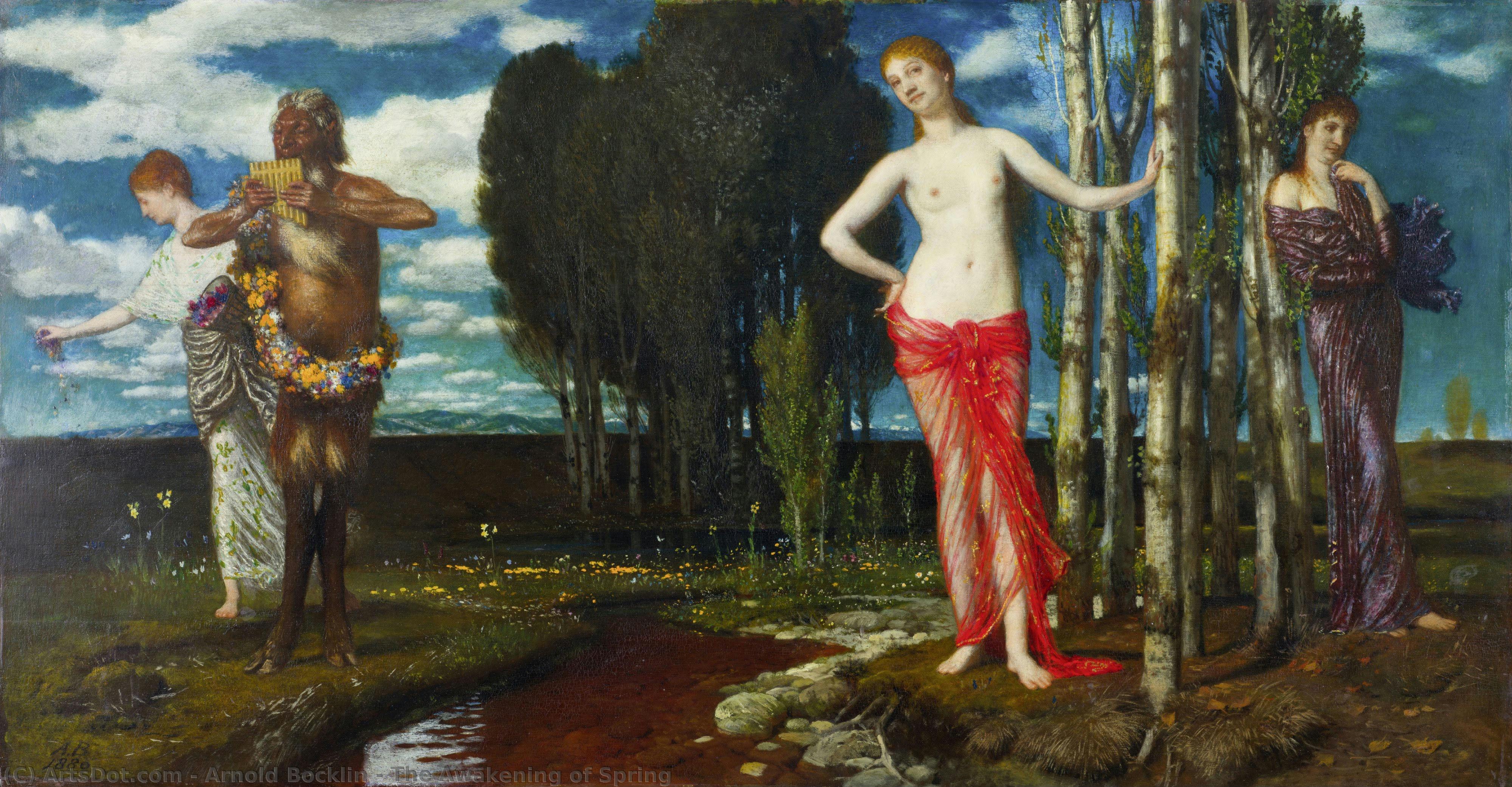
The Awakening of Spring


 Prečítať si viac
Kúpte si digitálnu snímku vo vysokom rozlíšení s vylepšenými detailmi, ktorá je oveľa kvalitnejšia než online náhľad.
Každý súbor starostlivo pripravujú naši interní špecialisti pomocou pokročilých nástrojov a odborného manuálneho retušovania. Zabezpečujeme, aby každý obrázok disponoval výnimočnou čistotou, presnou farebnou vernosťou a jemnými detailmi.
Konečný súbor vám bude doručený e-mailom do 72 hodín, optimalizovaný pre okamžité použitie v profesionálnom, redakčnom aj tlačovom prostredí. Ponúkame rovnakú kvalitu, ktorej dôverujú špičkové dizajnérske štúdiá, vydavateľstvá a galérie.
Digitálny obraz
Stiahnite si vysokorozlíšený súbor na osobné zobrazovanie, tlačenie a kreatívne projekty. ( Prepnúť na tlač Objednať ručne maľovanú reprodukciu)
Súčasťou každej objednávky digitálneho obrazu
Profesionálne digitálne doručenie, garantované
Keď si vyberiete OriginalUniqueArt.com, nezískate len obyčajný obrázok – získate profesionálne upravené digitálne umenie, vytvorené s maximálnou precíznosťou a podložené zárukou vašej spokojnosti. Tu je všetko, čo je súčasťou vašej objednávky automaticky:

Rýchle doručenie e-mailom
Vaša vysokorozlíšená digitálna súprava obrázkov vám bude zaslaná e-mailom do 72 hodín od objednávky – pripravená na okamžité použitie.

Digitálny súbor s vylepšením AI
Vaše dielo je profesionálne optimalizované pomocou pokročilých nástrojov umelej inteligencie a manuálnej úpravy, čo zaručuje maximálnu mieru detailov, čistotu a presnosť farieb.

Bezplatné celoživotné opätovné doručenie
Súbor ste náhodou zmazali alebo ste ho stratili? Nebojte sa – kedykoľvek vám ho môžeme poslať znova, úplne bez poplatkov.

Bez poplatkov za dovoz – navždy
Užite si svoje umelodelo okamžite bez colných poplatkov, daní alebo nákladov na dopravu – digitálne stiahnutia sú vždy oslobodené od dane.

Garantovaná presnosť farieb
Pomocou profesionálnych nástrojov a farebného manažmentu zabezpečujeme, aby vaša digitálna fotografia čo najpresnejšie odrážala pôvodné farby.

Záruka spokojnosti 100 dní
Ak nebudete spokojní so svojím digitálnym obrázkom, upravíme ho alebo vám v priebehu 100 dní vrátime 100% – bez zbytočných otázok.

100% Záruka vrátenia peňazí
Nie ste spokojní? Získajte plnú náhradu platby do 100 dní od prijatia digitálneho súboru – bez zbytočných otázok.

Zľavy pri veľkom odbere
Pri kúpe 3 obrázkov získate zľavu 10% - Pri kúpe 5 obrázkov získate zľavu 15% - Pri kúpe 10+ obrázkov získate zľavu 20%. Ideálne pre kreatívne projekty, galérie a agentúry.
A Dreamscape of Renewal: Arnold Böcklin’s “The Awakening of Spring”
Arnold Böcklin's "The Awakening of Spring" (Frühlingserwachen), painted in 1880, isn’t merely a depiction of springtime; it’s an immersion into a realm of potent symbolism and haunting beauty. This oil-on-wood panel, currently residing within the Kunsthaus Zürich’s collection, immediately draws the viewer into a world where the boundaries between reality and dream blur, inviting contemplation on themes of rebirth, mortality, and the ephemeral nature of existence. Böcklin, a pivotal figure in the Symbolist movement, masterfully employs muted colors—primarily blues, greens, and browns—to create an atmosphere of serene melancholy, a characteristic deeply rooted in his exploration of death and the subconscious.
The scene unfolds with a group of nude women, their forms graceful yet subtly melancholic, gathered around a cluster of blossoming trees. They are not engaged in boisterous revelry but rather seem lost in quiet contemplation, embodying a sense of serene detachment from the world. Their poses—one holding her hands to her hips, another gazing into the distance—suggest a profound connection with nature and an awareness of their own vulnerability within it. The figures aren’t presented as idealized beauties; instead, they possess a certain fragility and timelessness, reflecting Böcklin's fascination with archetypal imagery and the enduring power of myth.
The Roots of Symbolism: Context and Influences
To fully appreciate “The Awakening of Spring,” it’s crucial to understand the artistic currents that shaped Böcklin’s vision. The late 19th century witnessed a growing disillusionment with rationalism and industrialization, leading artists and intellectuals alike to seek solace in the realms of myth, folklore, and the subconscious. Symbolism, emerging from this context, rejected realism in favor of evocative imagery designed to stimulate emotional and spiritual responses. Böcklin’s work is profoundly influenced by Pre-Raphaelitism, particularly the romantic landscapes and allegorical figures of artists like William Holman Hunt and Dante Gabriel Rossetti. Furthermore, he drew inspiration from the writings of Edgar Allan Poe and the philosophies of Friedrich Nietzsche, incorporating elements of darkness, decay, and psychological intensity into his compositions.
The painting’s genesis is intertwined with a personal tragedy – Böcklin's daughter, Maria, died at a young age. This loss undoubtedly fueled his preoccupation with themes of mortality and the cyclical nature of life and death. The image of the “Isle of the Dead,” which he revisited repeatedly throughout his career, served as a visual anchor for these explorations, providing a framework for depicting the transition between worlds.
Decoding the Symbolism: Figures and Flora
Each element within "The Awakening of Spring" carries symbolic weight. The nude figures represent not just physical beauty but also vulnerability, innocence, and a connection to the natural world. Their lack of adornment emphasizes their essential nature, stripped bare of societal constraints. The trees themselves are laden with blossoms—a potent symbol of rebirth, fertility, and the promise of new beginnings. However, the muted palette and the figures’ somber expressions suggest that this renewal is not without its melancholy undertones. The presence of a single bird in the upper left corner adds another layer of meaning, representing hope and freedom amidst the prevailing atmosphere of quiet contemplation.
Notably, the painting echoes Botticelli's "Primavera," a work that itself embodies the themes of spring and renewal. Böcklin’s interpretation, however, is far more introspective and psychologically complex, reflecting his Symbolist sensibilities. The figures are not celebrating the arrival of spring; they are engaged in a silent dialogue with its mysteries—a meditation on life's fleeting beauty and inevitable decay.
A Timeless Resonance: Emotional Impact and Legacy
“The Awakening of Spring” continues to resonate deeply with viewers today, largely due to its evocative atmosphere and profound exploration of universal themes. It’s a painting that invites introspection, prompting us to consider our own relationship with nature, mortality, and the enduring power of dreams. The work's haunting beauty and subtle symbolism have cemented Böcklin’s place as one of the most important figures in Symbolist art, influencing generations of artists and inspiring countless interpretations. Reproductions of this masterpiece offer a window into a world of profound emotional depth—a testament to Böcklin’s extraordinary artistic vision.
Biografia umelca
Early Life and Training
Arnold Böcklin, umelecký predstaviteľ symbolizmu, sa narodil 16. októbra 1827 v Bazeli, Švajčiarsko. Jeho otec, Christian Frederick Böcklin, pochádzal z starého rodu zo Schaffhausenu a venoval sa obchodu s hodvábom. Matka, Ursula Lippe, bola rodáčka z rovnakého mesta. Böcklin študoval na dvorských akadémiách v Dillsku pod vedením Schirmera, kde si vytvoril priateľstvo s Anselmom Feuerbachom. Jeho tvorba je silne spojená s düsseldorfskou školou maľby. V rané fáze jeho umeleckej cesty sa venoval štúdiu klasických majstrov a ich diel, čo ovplyvnilo jeho neskorší symbolistický prístup.Artistic Career and Symbolism
Böcklinova umelcká cesta ho zaviedla do rôznych miest, vrátane Paríža, kde pracoval na Louvri, a Ríma, kde bol ovplyvnený jeho pamiatkovou scenériou. Jeho diela často zobrazovali alegorické a mytologické postavy v prostredi klasických architektúr, pričom skúmali témy smrti a mortalite. Jeho prvé dielo, *Great Park*, ukázalo staroveké mytológie. Dielo *Nymph and Satyr* (1858) a *Sappho* (1859) boli významnými prácami z tejto doby. Jeho obraz *Portrait of Myself with Death Playing the Violin* (1872) ilustroval jeho jedinečný štýl, ktorý sa vyznačoval melanchóliou a temnou atmosférou. Böcklin experimentoval s rôznymi technikami a štýlmi, pričom si zachovával osobitný výraz v zobrazovaní mytologických a symbolistických motívov.Influence and Legacy
Böcklin je najmä známy pre svoje päť verzií *Isle of the Dead* (1880-1886), ktoré evokovali anglickú hrobku v Florencii, kde bol pochovaný jeho dcéra. Jeho diela ovplyvnili mladších umelcov, ako Hans Thoma, a inšpirovali niekoľkých romantických skladateľov neskorého obdobia. Clement Greenberg charakterizoval Böcklinovu tvorbu ako "jednu z najdokonalejších vyjadrení" svojho času. Jeho štýl sa prepletal s prerozhodistickým prístupom, pričom zdôrazňoval svet snov a mysticismu.Museums and Collections
Böcklinova diela nájdete v rôznych múzeách, vrátane:- Öffentliche Kunstsammlung (Bazaly, Švajčiarsko)
- Kunstmuseum Basel (Švajčiarsko)
- Museum Kunsthaus Zürich (Zürich, Švajčiarsko)
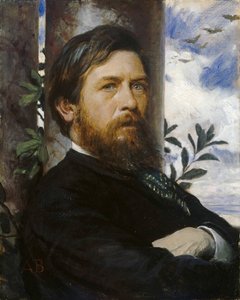
Arnold Böcklin
1827 - 1901 , Švajčiarsko
Rýchle fakty
- Artistic Movement Or Style: Symbolizmus
- Artists Or Movements Influenced By This Artist:
- Hans Thoma
- Pre-rafaelisti
- Artists Who Influenced This Artist:
- Schirmer
- Feuerbach
- Date Of Birth: 16. októbra 1827
- Date Of Death: 16. januára 1901
- Full Name: Arnold Böcklin
- Nationality: Švajčiarsky
- Notable Artworks:
- Ostrov Mŕtvych
- Nymfa a Satyr
- Sappho
- Place Of Birth: Basel, Švajčiarsko