Symbolist Painting · 1879
Spring Evening (Arnold Böcklin, 1879)
Arnold Böcklin (1827–1901) vytvoril Spring Evening. Pochádza z roku 1879. Patrí k umeleckému smeru Symbolist Painting. Je vyrobené z Oil On Panel. Nachádza sa v Szépművészeti Múzeum v Budapešť, Maďarsko. Rozmery sú 67 × 129 cm.
- 1879
- Oil On Panel
- 67 × 129 cm
- Szépművészeti Múzeum, Budapešť

 Náhľad v interiéri

 Ručne maľovaná olejná reprodukcia
 Odoslať ako digitálnu kartu
 Zdieľať
 Informačný list


 Stiahnuť obraz
 Podobné položky
 RTG skúška
 Prehliadanie diapozoje
 Otázky a odpovede

 Štatistiky
Spring Evening v krátkosti
- Názov
- Spring Evening
- Umelec
- Arnold Böcklin (1827–1901)
- Narodený v roku
- Bazilej, Švajčiarsko
- Dátum
- 1879
- Technika
- Oil On Panel
- Rozmery
- 67 × 129 cm
- Kde si ho pozrieť
- Szépművészeti Múzeum, Budapešť, Maďarsko
- Pohyb
- Symbolist Painting
- Motív
- mythology, nymphs, pan, forest, evening, landscape
Čo zobrazuje Spring Evening?
The Ethereal Embrace of Spring Evening
Arnold Böcklin’s “Spring Evening,” painted in 1879, isn't merely a depiction of a woodland scene; it’s an immersion into a realm of melancholic beauty and profound symbolism. Created during his time in Florence – a city that profoundly shaped his artistic vision – the painting captures a fleeting moment of enchantment, steeped in the atmosphere of late Romanticism and foreshadowing the rise of Symbolism. The canvas breathes with a quiet intensity, dominated by muted greens, blues, and browns, creating an almost dreamlike quality that immediately draws the viewer into its hushed world.
At the heart of the composition stands a woman, her posture suggesting both contemplation and vulnerability. Her hand gently resting on her head is a gesture simultaneously of yielding and quiet strength – she’s not passively observing but actively engaged with the scene unfolding before her. Beside her sits a man, seemingly lost in thought as he peruses a book, his presence offering a grounding element to the ethereal atmosphere. A bear, rendered with surprising tenderness, interacts playfully with both figures, blurring the lines between human and animal, nature and civilization. This carefully orchestrated tableau speaks of harmony, connection, and the delicate balance of the natural world.
A Symphony of Symbolism
Böcklin’s work is deeply rooted in mythology and folklore, drawing heavily on ancient Greek and Roman traditions. The central figure, often interpreted as Pan – the god of nature, shepherds, and wild music – plays his pipes, summoning a chorus of unseen nymphs from the surrounding forest. These dryads, with their flowing hair and graceful movements, represent the spirit of the woods, embodying both beauty and danger. The bear itself is a potent symbol, frequently associated with strength, wisdom, and primal instincts—a reminder of humanity’s connection to the earth.
The painting's muted palette contributes significantly to its symbolic weight. The cool blues and greens evoke a sense of melancholy and introspection, while the browns ground the scene in the tangible reality of the forest floor. The lighting is soft and diffused, creating an atmosphere of twilight—a liminal space between day and night, representing transition, mystery, and perhaps even mortality. Böcklin masterfully uses color not to simply depict a landscape but to convey complex emotions and ideas.
Technique and Artistic Influences
“Spring Evening” exemplifies Böcklin’s distinctive artistic style, characterized by meticulous detail, rich textures, and an almost obsessive attention to the natural world. He employed a technique of layering thin glazes of oil paint, building up color gradually to achieve remarkable depth and luminosity. The brushwork is subtle yet expressive, conveying both the smoothness of the forest floor and the intricate details of the foliage.
Böcklin’s artistic journey was profoundly influenced by his time in Düsseldorf, where he studied under Schirmer and became associated with the Düsseldorf School of Painting. However, it was in Florence that he truly developed his unique Symbolist vision, drawing inspiration from the city's rich cultural heritage and its connection to antiquity. The painting also reflects the influence of Romanticism, particularly the emphasis on emotion, imagination, and the sublime beauty of nature—themes central to the movement.
A Timeless Resonance
“Spring Evening” continues to resonate with viewers today because it taps into universal themes of longing, connection, and the search for meaning. Its evocative atmosphere and symbolic richness invite contemplation and offer a glimpse into the artist’s deeply personal vision. The painting's enduring appeal lies in its ability to transport us to another time and place—a world where myth and reality intertwine, and where the beauty of nature is inextricably linked to the mysteries of the human soul.
V ktorom múzeu sa nachádza Spring Evening?
Szépművészeti Múzeum
Budapešť, Maďarsko
Pôvod a história Szépművészeti Múzeum Založenie Szépművészeti Múzeum bolo formálne potvrdené Milénijnym zákonom z roku 1896. Toto legislatívne rozhodnutie sa snažilo vytvoriť v Budapešti, v Maďarsku, dedikovanú inštitúciu pre saverné umenie. Vybraným miestom pre tento účel sa stalo miesto, ktoré predtým obsadoval pavilón Rotunda, stavba postavená na vystavenie Fesztyho kruhového reliéfu.


Vysoko rozlíšené fotografie diela Spring Evening

Arnold Böcklin, Spring Evening (1879), Szépművészeti Múzeum. Verejné vlastníctvo
Otázky k dielu Spring Evening, odpovede
Kde môžem vidieť originál diela „Spring Evening“ od Arnold Böcklin?
Originál diela „Spring Evening“ od Arnold Böcklin sa nachádza v múzeu Szépművészeti Múzeum, Budapešť, Maďarsko. Reprodukcia vám umožňuje toto dielo vystaviť priamo vo vašom domove.
V ktorom roku bolo vytvorené dielo „Spring Evening“ od Arnold Böcklin?
Dielo „Spring Evening“ pochádza z roku 1879, čo umožňuje zaradiť ho do tvorby umelca Arnold Böcklin aj do jeho éry.
Akou technikou je vytvorené „Spring Evening“?
„Spring Evening“ je realizované v technike Oil On Panel.
Aké sú rozmery originálu „Spring Evening"?
Originálne dielo „Spring Evening“ od Arnold Böcklin má rozmery 67 x 129 cm.
Čo zobrazuje „Spring Evening“ od Arnold Böcklin?
Predmetmi diela „Spring Evening“ sú mythology, nymphs, pan, forest, evening, landscape, symbolism, böcklin.
Možno voľne reprodukovať obraz diela „Spring Evening“ od Arnold Böcklin?
Stav autorských práv pre „Spring Evening“ od Arnold Böcklin: dielo je v stave v slobodnom prostredí – autorské práva vypršali. To určuje, či je možné voľne vytvárať reprodukcie tohto obrazu.
K ktorému umelcovi sa pripisuje dielo "Spring Evening"?
Dielo „Spring Evening“ sa pripisuje autorovi Arnold Böcklin.
Do ktorého umeleckého smeru patrí „Spring Evening“ od Arnold Böcklin?
Uvedený umelecký smer spojený s dielom „Spring Evening“ od Arnold Böcklin je Symbolist Painting. Táto klasifikácia umiestňuje toto dielo medzi súvisiace umelcov a umelecké diela.
Do ktorého obdobia tvorby Arnold Böcklin patrí dielo „Spring Evening“?
"Spring Evening" predstavuje Late Period umelca Arnold Böcklin.
O umelcovi, Arnold Böcklin
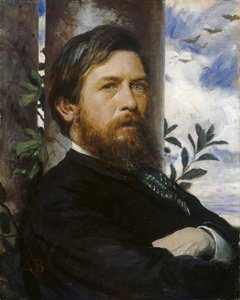
1827–1901, Švajčiarsko
Arnold Böcklin
Early Life and Training Arnold Böcklin, umelecký predstaviteľ symbolizmu, sa narodil 16. októbra 1827 v Bazeli, Švajčiarsko. Jeho otec, Christian Frederick Böcklin, pochádzal z starého rodu zo Schaffhausenu a venoval sa obchodu s hodvábom. Matka, Ursula Lippe, bola rodáčka z rovnakého mesta.
O umelci Arnold Böcklin Významné diela umelca Arnold Böcklin
Aj od Arnold Böcklin
 Ostrov mŕtvych (Prvá verzia)1880
 Autoportrét so smrťou hráčom na violíne
 Táto výstava1896
 Ostrv mŕtvych (Verzia 3)1883

Eseje k dielu Spring Evening
 French artworks of the 1880sFrench Impressionist masterpieces by Claude Monet, Pierre-Auguste Renoir, and Georges Seurat. Find museum-quality reproductions on Original…
 Symphony of Sunlight: The Luminous Legacy of Pine Tree Landscapes in Art HistoryExplore the luminous history of pine landscapes through Sorolla and Shishkin. Discover the magic of forest art today.
 En Plein Air Serenity: Exploring the Luminous Beauty of Impressionist Garden ArtExplore the luminous history of Impressionist garden art through Monet and Van Gogh. Discover the magic of plein air painting today.