

 Zobraziť v interiéri
 Odoslať
 Zdieľať
 Podrobnosti
 Príručka

 Stiahnuť
 Podobné položky
 RTG skúška
 Prehliadanie diapo\]
 Štatistiky
Shield with Gorgon


 Prečítať si viac
Giclée / Umenotlač
Giclée tlač alebo plátno múzeálnej kvality s rýchlou výrobou a rôznymi možnosťami povrchovej úpravy. ( Objednať ručne maľovanú reprodukciu Prepnúť na digitálnu verziu obrazu)




P118B €10

P118H €10

P118W €10

P438Z €10

P508JH €12

P508YH €12

P805H €10

P805Z €10

P919BZ €10

P919G €10

P919XJ €10

P959ZH €10

P968JZ €12

W106C €8

W218G €10

W218JH €8

W218Y €10

W307PJ €10

W316G €10

W316PJ €8

W316Y €10

W398PJ €8

W4111J €10

W500HY €15

W500JH €15

W692G €12

W849H €8

W940BG €15

W953PJ €8




Vyberte si z našich preddefinovaných rozmerov, ktoré zodpovedajú pôvodným pomeroḿ diela.

Zadajte šírku a výšku, ktoré potrebujete, aby sa reprodukcia hodila k vášmu rámu alebo stene. Print možno len orezávať, nikdy však nemennú veľkosť zvětšiť oproti pôvodnému obrázku, preto pri inom formáte stráca časť obrazu. Pred samotným vytlačiacím procesom vám pošleme digitálny náhľad na schválenie. Obrázok zobrazený na tejto stránke nezobrazuje reálny rez — len digitálny náhľad ukazuje presný výsledok.
Celosvetová doprava () do 2 týždňov namiesto štandardných 4 až 5 týždňov. (22 október)

Bezplatná expresná doprava po celom svete

Vysokokvalitné lnianske plátno

Úplné poistenie prepravy

Záruka vrátenia colného poplatku

Záruka presného farebného zhodnutia

100-dená politika vrátenia tovaru (iba pri vadách)

100% záruka vrátenia peňazí

Ponuka množstevnej zľavy
 Možnosť skla je dostupná len pri rozmeroch pod 110 cm

Shield with Gorgon
Giclée / Umenotlač
Veľkosť reprodukcie
-


Celková cena
€ 70
Shield with Gorgon – A Meditation on Mortality and Ancient Myth
The sculpture “Shield with Gorgon’s Head,” created by Arnold Böcklin in 1897, stands as a haunting testament to the artist's fascination with Greco-Roman mythology and his profound contemplation of death. Exhibited prominently at the Musée d’Orsay in Paris, this piece transcends mere representation; it invites viewers into a realm of psychological exploration where beauty intertwines with unsettling truths. Böcklin, deeply influenced by Nietzschean philosophy – specifically the concept of eternal recurrence – sought to capture not just an image but an experience, mirroring the cyclical nature of existence and confronting us with our inevitable demise.Style and Technique: Symbolist Precision
Böcklin’s style aligns perfectly with the tenets of Symbolism, a movement that rejected realism in favor of conveying emotions and ideas through suggestive imagery rather than literal depiction. Unlike Impressionists who aimed to capture fleeting moments of light and color, Böcklin meticulously crafted his sculpture using a technique rooted in meticulous observation and symbolic distillation. The artist employed a combination of modeling clay and bronze casting – a process demanding considerable skill and patience – to achieve an astonishing level of detail. Notice the subtle gradations of tone within the Gorgon’s head; these aren't merely aesthetic choices but deliberate efforts to convey texture and depth, mirroring the complexities of human emotion. The smooth surface contrasts sharply with the rough contours of the snake’s coils, creating a visual dialogue that underscores the sculpture’s thematic concerns.Historical Context: Nietzschean Echoes and Late Romantic Sentiment
Böcklin's artistic output flourished during the waning years of the Romantic era, a period characterized by an obsession with emotion, imagination, and the sublime—experiences perceived as exceeding human comprehension yet simultaneously elevating the soul. However, Böcklin’s vision extended beyond traditional Romantic tropes; he actively engaged with the burgeoning intellectual currents of his time, particularly Nietzsche's proclamation that “God is dead.” This existential crisis fueled Böcklin’s exploration of themes like nihilism and mortality—concepts central to both Nietzschean thought and Symbolist art. The sculpture reflects a broader cultural preoccupation with confronting death not as an end but as a transformative stage in the cosmic cycle, mirroring Nietzsche's assertion that life itself is an affirmation of eternal recurrence.Symbolism Unleashed: Gorgon’s Head – Terror and Transformation
The Gorgon Medusa represents more than just monstrous horror; she embodies the terrifying power of transformation—a concept inextricably linked to Böcklin’s Symbolist worldview. According to Greek mythology, Medusa possessed snakes for hair that turned anyone who gazed upon them into stone. This image served as a potent symbol of inescapable fate and the destructive force of repressed emotions. The sculptor skillfully captures this duality: the Gorgon's gaze exudes palpable terror, yet simultaneously hints at an underlying process of metamorphosis—a suggestion that confronting death can lead to profound spiritual renewal. Böcklin’s deliberate use of serpentine coils reinforces this symbolism, representing both constriction and liberation – mirroring the artist’s own preoccupation with reconciling beauty and darkness.Emotional Impact: A Confrontation With Eternity
Ultimately, “Shield with Gorgon’s Head” compels viewers to confront their own mortality—to grapple with the inescapable reality that life is finite yet perpetually reborn. The sculpture's unsettling stillness invites contemplation, prompting us to consider our place within the grand scheme of cosmic time. Böcklin doesn’t offer comfort or reassurance; instead, he presents a stark portrait of existence stripped bare – confronting us with the beauty and terror inherent in accepting death as an inevitable component of life’s eternal dance. It is precisely this unflinching gaze—this refusal to shy away from uncomfortable truths—that secures “Shield with Gorgon’s Head”'s enduring power as a masterpiece of Symbolist art and a timeless meditation on the human condition.Otázky a odpovede
Aké umiestnenie sa hodí k formátu diela „Shield with Gorgon“ od Arnold Böcklin?
Formát Square diela „Shield with Gorgon“ od Arnold Böcklin je odporúčaný pre Living Room. Formát a priestor spoločne určujú najvhodnejšie umiestnenie reprodukcie.
Ako sa téma diela „Shield with Gorgon“ vzťahuje k bežným témam umelca Arnold Böcklin?
Medzi zaznamenané témy umelca Arnold Böcklin – greek mythology, symbolism, death, mortality themes, romantic idealism vision, classical forms beauty, medieval gothic style – prináša dielo „Shield with Gorgon“ vlastný dôraz na mythology, gorgon, snake, sculpture, classical, death, symbolism, medieval.
Z akého materiálu je vyrobené „Shield with Gorgon“?
Arnold Böcklin použil/a techniku Acrylic On Canvas pre dielo „Shield with Gorgon“. Táto technika definuje materiálnu podstatu originálneho diela.
Biografia umelca
Early Life and Training
Arnold Böcklin, umelecký predstaviteľ symbolizmu, sa narodil 16. októbra 1827 v Bazeli, Švajčiarsko. Jeho otec, Christian Frederick Böcklin, pochádzal z starého rodu zo Schaffhausenu a venoval sa obchodu s hodvábom. Matka, Ursula Lippe, bola rodáčka z rovnakého mesta. Böcklin študoval na dvorských akadémiách v Dillsku pod vedením Schirmera, kde si vytvoril priateľstvo s Anselmom Feuerbachom. Jeho tvorba je silne spojená s düsseldorfskou školou maľby. V rané fáze jeho umeleckej cesty sa venoval štúdiu klasických majstrov a ich diel, čo ovplyvnilo jeho neskorší symbolistický prístup.Artistic Career and Symbolism
Böcklinova umelcká cesta ho zaviedla do rôznych miest, vrátane Paríža, kde pracoval na Louvri, a Ríma, kde bol ovplyvnený jeho pamiatkovou scenériou. Jeho diela často zobrazovali alegorické a mytologické postavy v prostredi klasických architektúr, pričom skúmali témy smrti a mortalite. Jeho prvé dielo, *Great Park*, ukázalo staroveké mytológie. Dielo *Nymph and Satyr* (1858) a *Sappho* (1859) boli významnými prácami z tejto doby. Jeho obraz *Portrait of Myself with Death Playing the Violin* (1872) ilustroval jeho jedinečný štýl, ktorý sa vyznačoval melanchóliou a temnou atmosférou. Böcklin experimentoval s rôznymi technikami a štýlmi, pričom si zachovával osobitný výraz v zobrazovaní mytologických a symbolistických motívov.Influence and Legacy
Böcklin je najmä známy pre svoje päť verzií *Isle of the Dead* (1880-1886), ktoré evokovali anglickú hrobku v Florencii, kde bol pochovaný jeho dcéra. Jeho diela ovplyvnili mladších umelcov, ako Hans Thoma, a inšpirovali niekoľkých romantických skladateľov neskorého obdobia. Clement Greenberg charakterizoval Böcklinovu tvorbu ako "jednu z najdokonalejších vyjadrení" svojho času. Jeho štýl sa prepletal s prerozhodistickým prístupom, pričom zdôrazňoval svet snov a mysticismu.Museums and Collections
Böcklinova diela nájdete v rôznych múzeách, vrátane:- Öffentliche Kunstsammlung (Bazaly, Švajčiarsko)
- Kunstmuseum Basel (Švajčiarsko)
- Museum Kunsthaus Zürich (Zürich, Švajčiarsko)
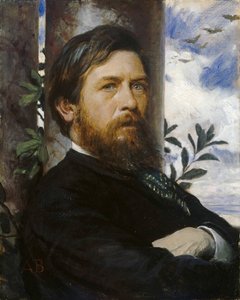
Arnold Böcklin
1827 - 1901 , Švajčiarsko
Rýchle fakty
- Artistic Movement Or Style: Symbolizmus
- Artists Or Movements Influenced By This Artist:
- Hans Thoma
- Pre-rafaelisti
- Artists Who Influenced This Artist:
- Schirmer
- Feuerbach
- Date Of Birth: 16. októbra 1827
- Date Of Death: 16. januára 1901
- Full Name: Arnold Böcklin
- Nationality: Švajčiarsky
- Notable Artworks:
- Ostrov Mŕtvych
- Nymfa a Satyr
- Sappho
- Place Of Birth: Basel, Švajčiarsko
Súvisiace články

Theatricality & Triumph: Baroque Drama in Painting & Sculpture
Explore the dramatic world of Baroque art! Discover its history, defining characteristics, & lasting influence on painting & sculpture. Expert insights into Caravaggio, Zurbarán, and Bernini – plus high-quality reproductions at OriginalUniqueArt.

The Enduring Form: Exploring Themes & Techniques in Sculpture Across Historical Periods
Explore the rich history of sculpture from ancient masterpieces to contemporary innovations. Discover key techniques, influential artists & investment potential for discerning art collectors.

Top 10 Bronzových Sôch, ktoré Zmenili Umenie Navždy | OriginalUniqueArt
Objavte top 10 legendárnych bronzových sôch, ktoré zmenili umenie! Michelangelo, Rodin a ďalší majstri. História, techniky a nadčasová krása pre váš interiér. Reprodukcie múzejnej kvality na OriginalUniqueArt.com

The Enduring Form: Sculpture Across History, Technique & Emotional Resonance
Explore the rich history of sculpture with OriginalUniqueArt. Discover key techniques, influential artists & investment potential for discerning collectors. Expert insights into valuing and collecting timeless masterpieces.

Top 10 Bronzových Majstrovských Diel, ktoré Zmenili Umění Navždy | OriginalUniqueArt
Objavte top 10 legendárnych bronzových majstrovských diel, ktoré zmenili umenie navždy! Rodin, Michelangelo a ďalší. Prežite príbehy slávnych sôch a nájdite inšpiráciu pre váš interiér na OriginalUniqueArt.com.
