
 Náhľad v interiéri
 Odoslať ako digitálnu kartu
 Zdieľať
 Podrobnosti o dielo
 Príručka

 Stiahnuť obraz
 Podobné položky
 RTG skúška
 Prehliadanie diapozoje
 Q&A
Q&A Štatistiky
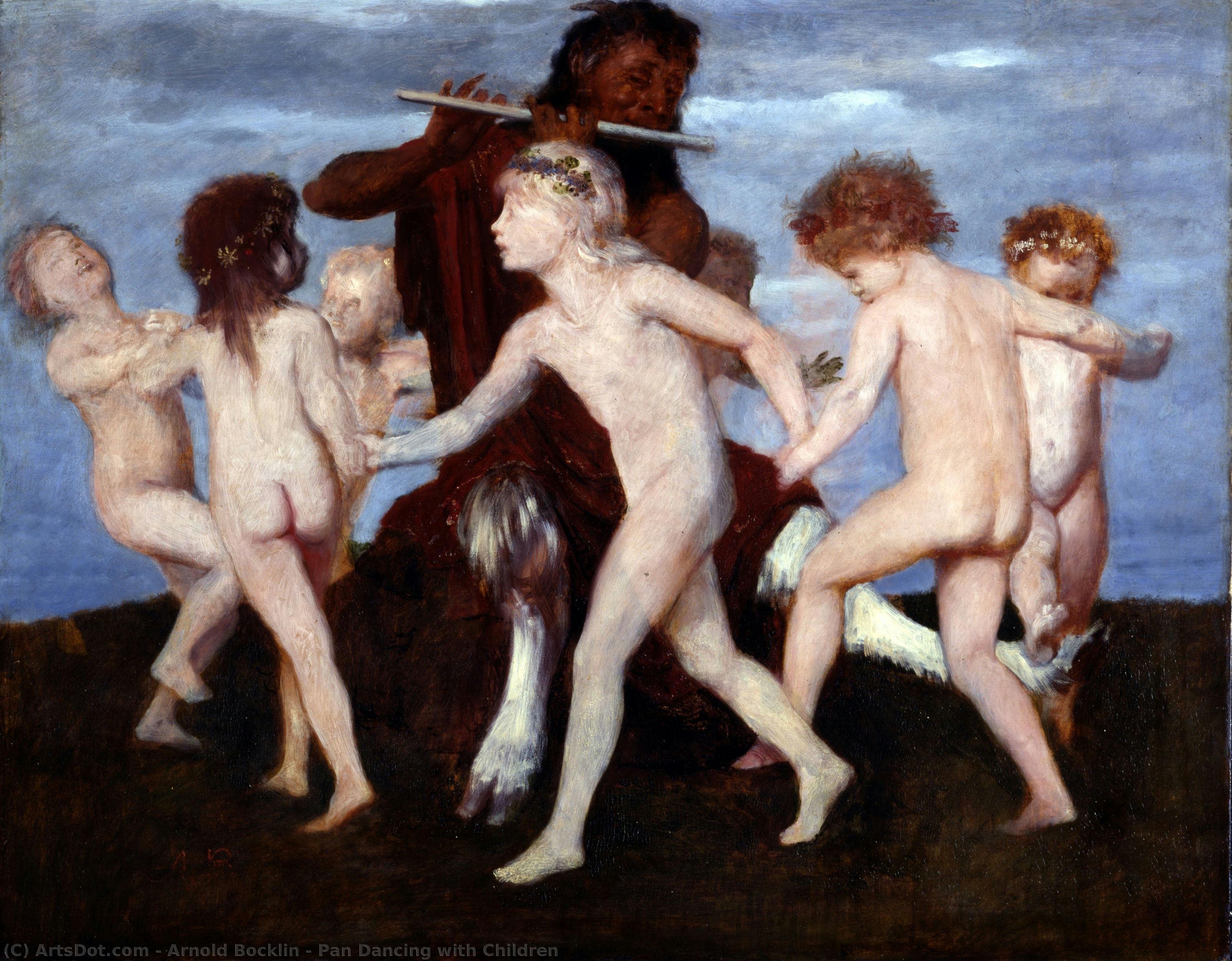
Pan Dancing with Children


 Zobraziť viac
Giclée / Umenotlač
Giclée tlač alebo plátno múzeálnej kvality s rýchlou výrobou a rôznymi možnosťami povrchovej úpravy. ( Kúpiť ručne maľovaný obraz Prepnúť na digitálny obraz)




P118B €10

P118H €10

P118W €10

P438Z €10

P508JH €12

P508YH €12

P805H €10

P805Z €10

P919BZ €10

P919G €10

P919XJ €10

P959ZH €10

P968JZ €12

W106C €8

W218G €10

W218JH €8

W218Y €10

W307PJ €10

W316G €10

W316PJ €8

W316Y €10

W398PJ €8

W4111J €10

W500HY €15

W500JH €15

W692G €12

W849H €8

W940BG €15

W953PJ €8




Vyberte si z našich preddefinovaných rozmerov, ktoré zodpovedajú pôvodným pomeroḿ diela.

Zadajte šírku a výšku, ktoré potrebujete, aby sa reprodukcia hodila k vášmu rámu alebo stene. Print možno len orezávať, nikdy však nemennú veľkosť zvětšiť oproti pôvodnému obrázku, preto pri inom formáte stráca časť obrazu. Pred samotným vytlačiacím procesom vám pošleme digitálny náhľad na schválenie. Obrázok zobrazený na tejto stránke nezobrazuje reálny rez — len digitálny náhľad ukazuje presný výsledok.
Celosvetová doprava () do 2 týždňov namiesto štandardných 4 až 5 týždňov. (31 október)

Bezplatná expresná doprava po celom svete

Vysokokvalitné lnianske plátno

Kompletné poistenie prepravy

Záruka vrátenia colného poplatku

Záruka presného farebného zhodnutia

100-dená politika vrátenia tovaru (iba pri vadách)

100% záruka vrátenia peňazí

Zľava pri väčšom množstve
 Možnosť skla je dostupná len pri rozmeroch pod 110 cm

Pan Dancing with Children
Giclée / Umenotlač
Veľkosť reprodukcie
-


Celková cena
€ 71
The Enigmatic Dance: Arnold Böcklin’s “Pan Dancing with Children”
Arnold Böcklin's "Pan Dancing with Children," painted around 1884, isn’t merely a depiction of a pastoral scene; it’s an immersion into a realm of mythic beauty and unsettling serenity. This captivating work, currently residing within the Museum Folkwang in Essen, Germany, transcends simple representation, offering instead a profound meditation on childhood innocence, primal connection to nature, and the lingering presence of ancient spirits. Böcklin, a key figure in the Symbolist movement, masterfully employed a muted palette—primarily ochres, browns, and deep greens—to create an atmosphere thick with twilight and dreamlike suggestion. The figures themselves are rendered with a remarkable degree of detail, yet possess an almost ethereal quality, as if caught between worlds.
The painting’s composition is deliberately ambiguous. A central group of nude children, seemingly unburdened by adult concerns, frolic around Pan, the god of the wild, shepherds, and flocks. They are engaged in a variety of activities: playing musical instruments crafted from branches, holding hands in playful circles, and gazing upwards with an expression that blends curiosity and contentment. The inclusion of putti—small winged infants—further enhances the sense of otherworldly grace and innocence. Notice how Böcklin subtly integrates elements of classical mythology – the flute Pan holds is a direct reference to the god’s traditional instrument – alongside the rustic setting, creating a harmonious blend of ancient lore and contemporary observation.
A Glimpse into Symbolist Aesthetics
Böcklin's work firmly establishes him as a pivotal figure in the Symbolist movement, which sought to evoke emotions and ideas rather than simply depict reality. Rejecting the naturalism prevalent in earlier art movements, Symbolists like Böcklin prioritized subjective experience and explored themes of death, memory, and the subconscious. “Pan Dancing with Children” exemplifies this approach through its evocative atmosphere and symbolic imagery. The painting’s muted colors, soft lighting, and dreamlike quality contribute to a sense of melancholy and longing—a feeling that resonates deeply within the viewer.
The choice of nudity is particularly significant. It isn't presented in a provocative manner but rather as an embodiment of primal innocence and connection to nature. The children’s vulnerability underscores their purity, while their joyful dance suggests a liberation from worldly concerns. Böcklin’s meticulous attention to detail—from the texture of the children’s skin to the delicate folds of their clothing—further emphasizes their tangible presence within the scene.
Technique and Materials: A Masterful Blend
While often categorized as a painting, “Pan Dancing with Children” incorporates elements of mixed media. Böcklin skillfully combined oil paints with photographic techniques, creating a unique visual texture that blends the immediacy of photography with the depth and richness of traditional painting. This hybrid approach allowed him to capture fleeting moments of light and shadow, imbuing the scene with an unparalleled sense of realism. The use of layering and glazing—applying thin washes of paint over previous layers—contributes to the work’s luminous quality and creates a subtle interplay of colors.
The artist's background in Düsseldorf, associated with the school known for its emphasis on realistic depiction, is evident in the meticulous rendering of the figures and their surroundings. However, Böcklin departs from traditional academic techniques by prioritizing atmosphere and emotional impact over precise representation. This deliberate shift reflects his commitment to Symbolist principles and his desire to create a work that transcends mere visual observation.
Symbolism and Interpretation: Echoes of Ancient Myths
Beyond its aesthetic qualities, “Pan Dancing with Children” is rich in symbolic meaning. Pan himself represents the untamed spirit of nature—a force both benevolent and potentially dangerous. The children’s dance can be interpreted as a celebration of life, joy, and connection to the natural world. However, there's also an undercurrent of melancholy—a sense that this idyllic scene is fleeting and destined to fade away. The painting subtly evokes themes of mortality and the cyclical nature of time.
The inclusion of ancient myths – Pan’s role as a shepherd god, the presence of putti – connects the work to a broader cultural heritage, suggesting a timeless resonance between humanity and the natural world. Böcklin's masterful use of symbolism invites viewers to engage in their own interpretations, creating a deeply personal and emotionally resonant experience. Reproductions of this iconic artwork continue to captivate audiences with its haunting beauty and profound sense of mystery.
Otázky a odpovede
Je „Pan Dancing with Children“ od Arnold Böcklin svetlé alebo tmavé dielo?
Z hľadiska vnímanej jasnosti je „Pan Dancing with Children“ od Arnold Böcklin balanced.
Aké miesto si v dejinách umenia predstavuje „Pan Dancing with Children“ od Arnold Böcklin?
Z historického hľadiska je „Pan Dancing with Children“ dielo zastúpedobiteľné pre smer Symbolist Painting širšej éry 19th Century.
Aká je odporúčaná veľkosť a orientácia tlače pre dielo "Pan Dancing with Children"?
Veľkosť Medium, orientácia Landscape: toto je odporúčaná konfigurácia tlače pre dielo „Pan Dancing with Children“ od Arnold Böcklin.
Biografia umelca
Early Life and Training
Arnold Böcklin, umelecký predstaviteľ symbolizmu, sa narodil 16. októbra 1827 v Bazeli, Švajčiarsko. Jeho otec, Christian Frederick Böcklin, pochádzal z starého rodu zo Schaffhausenu a venoval sa obchodu s hodvábom. Matka, Ursula Lippe, bola rodáčka z rovnakého mesta. Böcklin študoval na dvorských akadémiách v Dillsku pod vedením Schirmera, kde si vytvoril priateľstvo s Anselmom Feuerbachom. Jeho tvorba je silne spojená s düsseldorfskou školou maľby. V rané fáze jeho umeleckej cesty sa venoval štúdiu klasických majstrov a ich diel, čo ovplyvnilo jeho neskorší symbolistický prístup.Artistic Career and Symbolism
Böcklinova umelcká cesta ho zaviedla do rôznych miest, vrátane Paríža, kde pracoval na Louvri, a Ríma, kde bol ovplyvnený jeho pamiatkovou scenériou. Jeho diela často zobrazovali alegorické a mytologické postavy v prostredi klasických architektúr, pričom skúmali témy smrti a mortalite. Jeho prvé dielo, *Great Park*, ukázalo staroveké mytológie. Dielo *Nymph and Satyr* (1858) a *Sappho* (1859) boli významnými prácami z tejto doby. Jeho obraz *Portrait of Myself with Death Playing the Violin* (1872) ilustroval jeho jedinečný štýl, ktorý sa vyznačoval melanchóliou a temnou atmosférou. Böcklin experimentoval s rôznymi technikami a štýlmi, pričom si zachovával osobitný výraz v zobrazovaní mytologických a symbolistických motívov.Influence and Legacy
Böcklin je najmä známy pre svoje päť verzií *Isle of the Dead* (1880-1886), ktoré evokovali anglickú hrobku v Florencii, kde bol pochovaný jeho dcéra. Jeho diela ovplyvnili mladších umelcov, ako Hans Thoma, a inšpirovali niekoľkých romantických skladateľov neskorého obdobia. Clement Greenberg charakterizoval Böcklinovu tvorbu ako "jednu z najdokonalejších vyjadrení" svojho času. Jeho štýl sa prepletal s prerozhodistickým prístupom, pričom zdôrazňoval svet snov a mysticismu.Museums and Collections
Böcklinova diela nájdete v rôznych múzeách, vrátane:- Öffentliche Kunstsammlung (Bazaly, Švajčiarsko)
- Kunstmuseum Basel (Švajčiarsko)
- Museum Kunsthaus Zürich (Zürich, Švajčiarsko)
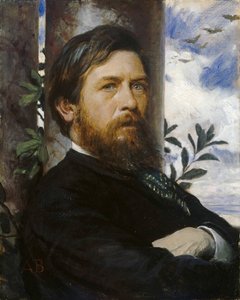
Arnold Böcklin
1827 - 1901 , Švajčiarsko
Základné informácie
- Artistic Movement Or Style: Symbolizmus
- Artists Or Movements Influenced By This Artist:
- Hans Thoma
- Pre-rafaelisti
- Artists Who Influenced This Artist:
- Schirmer
- Feuerbach
- Date Of Birth: 16. októbra 1827
- Date Of Death: 16. januára 1901
- Full Name: Arnold Böcklin
- Nationality: Švajčiarsky
- Notable Artworks:
- Ostrov Mŕtvych
- Nymfa a Satyr
- Sappho
- Place Of Birth: Basel, Švajčiarsko
Súvisiace články
Timeless Legends: A Curated Guide to the Eternal Allure of Mythological Masterpieces
Embark on a sophisticated journey through the eternal allure of mythological art. Discover how master painters breathe life into ancient legends, from Greek deities to Baroque masterpieces, and learn to curate these timeless narratives within your own exquisite art collection.
Echoes of Olympus: Mythological Narratives in Western Art Through the Ages
Explore the captivating history of mythological narratives in Western art! From ancient Greece to modern masterpieces, discover iconic artworks & symbolism. Expert analysis and high-quality reproductions at OriginalUniqueArt.
Sir Nathaniel Dance-Holland: Portraiture, Patronage & Georgian Identity
Explore the life & art of Sir Nathaniel Dance-Holland, a leading Georgian portraitist. Discover his masterful technique, influential patrons, and lasting impact on 18th-century British society. A guide for discerning collectors.
Move to the Beat: Bold & Iconic Dance Art to Electrify Your Space
Elevate your space with bold, iconic dance art. From street art vibes to Pop Art masterpieces, discover high-impact, hand-painted reproductions and custom commissions designed to move you. Transform your walls with the rhythm of contemporary culture.

Timeless Legends: The Eternal Allure of Mythological Figures in Masterpiece Art
Explore the profound beauty of mythological figures through the lens of art history. From Renaissance masterpieces to custom oil reproductions, discover how legendary tales of heroism and divinity are immortalized in fine art for discerning collectors.
