

 Zobraziť v interiéri
 Odoslať
 Zdieľať
 Podrobnosti
 Príručka

 Stiahnuť
 Podobné položky
 RTG skúška
 Prehliadanie diapo\]
 Štatistiky
Centaur at the Village Blacksmith's Shop
 Oil On Canvas
- WallArt
- Symbolist Painting
 1888
1888- 19th Century
 100.0 x 80.0 cm
 Szépművészeti Múzeum
 Prečítať si viac
Giclée / Umenotlač
Giclée tlač alebo plátno múzeálnej kvality s rýchlou výrobou a rôznymi možnosťami povrchovej úpravy. ( Objednať ručne maľovanú reprodukciu Prepnúť na digitálnu verziu obrazu)




P118B $10

P118H $10

P118W $10

P438Z $10

P508JH $12

P508YH $12

P805H $10

P805Z $10

P919BZ $10

P919G $10

P919XJ $10

P959ZH $10

P968JZ $12

W106C $8

W218G $10

W218JH $8

W218Y $10

W307PJ $10

W316G $10

W316PJ $8

W316Y $10

W398PJ $8

W4111J $10

W500HY $15

W500JH $15

W692G $12

W849H $8

W940BG $15

W953PJ $8




Vyberte si z našich preddefinovaných rozmerov, ktoré zodpovedajú pôvodným pomeroḿ diela.

Môžete zadať vlastné rozmery, aby sa reprodukcia prispôsobila konkrétnemu rámu alebo priestoru. Ak zvolená veľkosť nebude zodpovedať proporciám originálu, dielo buď orežeme, alebo obraz rozšírime pomocou zrkadlenia či farebného doplnenia okrajov. Pred začatím výroby vám pošleme digitálnu ukážku na schválenie.
Máte na vedomí, že náhľad na obrazovke neodzrkadľuje skutočné orezanie alebo rozšírenie. Len digitálna ukážka presne zobrazí finálnu kompozíciu.
Hoci sú k dispozícii vlastné rozmery, pre zachovanie pôvodných proporcií odporúčame vybrať si rozmer z vopred definovaného zoznamu.
Celosvetová doprava () do 2 týždňov namiesto štandardných 4 až 5 týždňov. (25 september)

Bezplatná expresná doprava po celom svete

Vysokokvalitné lnianske plátno

Úplné poistenie prepravy

Záruka vrátenia colného poplatku

Záruka presného farebného zhodnutia

100-dená politika vrátenia tovaru (iba pri vadách)

100% záruka vrátenia peňazí

Ponuka množstevnej zľavy
 Možnosť skla je dostupná len pri rozmeroch pod 110 cm

Centaur at the Village Blacksmith's Shop
Giclée / Umenotlač
Veľkosť reprodukcie
-


Celková cena
$ 80
A Moment Frozen in Mythic Time
In the quietude of Arnold Böcklin’s 1888 masterpiece, “Centaur at the Village Blacksmith's Shop,” the boundaries between the mundane and the miraculous dissolve into a single, haunting tableau. As a cornerstone of the Symbolist movement, this work transcends mere representation to explore the profound psychological depths of the human condition. The scene presents a striking juxtaposition: the rhythmic, grounded labor of a village blacksmith’s forge set against the presence of a solitary centaur. This half-man, half-horse figure, engaged in the seemingly ordinary task of shoeing a horse, introduces an unsettling tension into the rural tranquility. Böcklin masterfully uses a palette of muted browns, greys, and earthy tones to create an atmosphere of palpable stillness, inviting the viewer to step into a world where the echoes of classical antiquity still resonate within the heart of modern civilization.
The technical brilliance of the piece lies in Böcklin’s command of chiaroscuro, the dramatic interplay between light and shadow that breathes life into the textures of the blacksmith's shop. Every detail—from the solidity of the forge to the heavy, weathered tools—is rendered with a meticulousness that emphasizes the permanence of human industry. Yet, this stability is interrupted by the centaur’s gaze, which pierces through the canvas to meet the viewer directly. This connection is laden with melancholy, hinting at a hidden narrative of lost innocence and the struggle between primal instinct and civilized intellect. For the discerning collector or interior designer, the painting offers more than just visual beauty; it provides a window into the duality of existence, making it a profound focal point for any space dedicated to contemplation and intellectual depth.
Symbolism and the Echoes of Antiquity
To gaze upon this artwork is to engage in a dialogue with the very essence of myth. Böcklin draws heavily from classical mythology to weave a complex tapestry of meaning, utilizing the centaur as a potent symbol of untamed nature and raw, instinctual knowledge. In the context of the blacksmith's shop—a symbol of human reason, artistry, and the established order—the centaur represents the enduring power of our primal origins that refuses to be fully tamed by progress. This tension between the wild and the civilized is what gives the painting its enduring emotional resonance.
For those seeking to infuse their homes with art that tells a story, this reproduction serves as an evocative piece of decor. It captures a sense of nostalgia for a perceived era of simplicity while simultaneously challenging the viewer with its mythological complexity. Whether placed in a grand library or a quiet study, the painting’s ability to evoke both peace and profound inquiry makes it an incomparable addition to a curated collection. It is not merely a depiction of a scene, but an invitation to explore the complexities of our own nature through the lens of a master who understood the silent language of symbols.
Biografia umelca
Early Life and Training
Arnold Böcklin, umelecký predstaviteľ symbolizmu, sa narodil 16. októbra 1827 v Bazeli, Švajčiarsko. Jeho otec, Christian Frederick Böcklin, pochádzal z starého rodu zo Schaffhausenu a venoval sa obchodu s hodvábom. Matka, Ursula Lippe, bola rodáčka z rovnakého mesta. Böcklin študoval na dvorských akadémiách v Dillsku pod vedením Schirmera, kde si vytvoril priateľstvo s Anselmom Feuerbachom. Jeho tvorba je silne spojená s düsseldorfskou školou maľby. V rané fáze jeho umeleckej cesty sa venoval štúdiu klasických majstrov a ich diel, čo ovplyvnilo jeho neskorší symbolistický prístup.Artistic Career and Symbolism
Böcklinova umelcká cesta ho zaviedla do rôznych miest, vrátane Paríža, kde pracoval na Louvri, a Ríma, kde bol ovplyvnený jeho pamiatkovou scenériou. Jeho diela často zobrazovali alegorické a mytologické postavy v prostredi klasických architektúr, pričom skúmali témy smrti a mortalite. Jeho prvé dielo, *Great Park*, ukázalo staroveké mytológie. Dielo *Nymph and Satyr* (1858) a *Sappho* (1859) boli významnými prácami z tejto doby. Jeho obraz *Portrait of Myself with Death Playing the Violin* (1872) ilustroval jeho jedinečný štýl, ktorý sa vyznačoval melanchóliou a temnou atmosférou. Böcklin experimentoval s rôznymi technikami a štýlmi, pričom si zachovával osobitný výraz v zobrazovaní mytologických a symbolistických motívov.Influence and Legacy
Böcklin je najmä známy pre svoje päť verzií *Isle of the Dead* (1880-1886), ktoré evokovali anglickú hrobku v Florencii, kde bol pochovaný jeho dcéra. Jeho diela ovplyvnili mladších umelcov, ako Hans Thoma, a inšpirovali niekoľkých romantických skladateľov neskorého obdobia. Clement Greenberg charakterizoval Böcklinovu tvorbu ako "jednu z najdokonalejších vyjadrení" svojho času. Jeho štýl sa prepletal s prerozhodistickým prístupom, pričom zdôrazňoval svet snov a mysticismu.Museums and Collections
Böcklinova diela nájdete v rôznych múzeách, vrátane:- Öffentliche Kunstsammlung (Bazaly, Švajčiarsko)
- Kunstmuseum Basel (Švajčiarsko)
- Museum Kunsthaus Zürich (Zürich, Švajčiarsko)
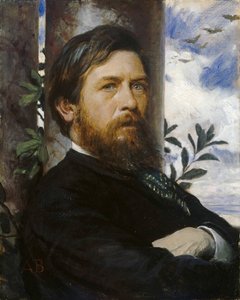
Arnold Böcklin
1827 - 1901 , Švajčiarsko
Rýchle fakty
- Artistic Movement Or Style: Symbolizmus
- Artists Or Movements Influenced By This Artist:
- Hans Thoma
- Pre-rafaelisti
- Artists Who Influenced This Artist:
- Schirmer
- Feuerbach
- Date Of Birth: 16. októbra 1827
- Date Of Death: 16. januára 1901
- Full Name: Arnold Böcklin
- Nationality: Švajčiarsky
- Notable Artworks:
- Ostrov Mŕtvych
- Nymfa a Satyr
- Sappho
- Place Of Birth: Basel, Švajčiarsko
Súvisiace články
Evoking Arcadia: A Historical & Aesthetic Exploration of Rural Landscape Art
Explore the rich history of pastoral landscape art, from classical Arcadia to Impressionism & beyond. Discover key artists, movements, and how to collect serene rural scenes for your home. Expert insights at OriginalUniqueArt.

Cultivating Visions: A Historical Journey Through Rural Landscapes in Art
Explore the rich history of rural landscape painting with OriginalUniqueArt. Discover Impressionist masterpieces, key artists & movements. Find your perfect serene artwork and bring nature's beauty home.

Evocations of Place: A Historical Journey Through Landscape Art
Explore the rich history of landscape art with OriginalUniqueArt. Discover renowned artists, movements like Impressionism & Romanticism, and expert guidance for collecting timeless pieces. Find your perfect serene escape today!

John Constable: Top 25 Majstrovských Diel pre Váš Domov | OriginalUniqueArt.sk
Ponorte sa do sveta Johna Constabla s OriginalUniqueArt.sk! Objavte top 25 majstrovských diel anglického romantizmu – od ikonického Hay Wain až po krajinárske motívy Suffolku. Kvalitné reprodukcie obrazov pre váš domov. Preskúmajte celú kolekciu online!

Top 10 Majstrov Romantickej Krajinomaľby: Obrazy, ktoré zmenili svet umenia
Ponorte sa do sveta romantickej krajinomaľby! Objavte top 10 majstrovských diel od Friedricha, Turnera a ďalších. Historické obrazy prírody s nádychom emócií. Reprodukcie obrazov pre váš interiér na OriginalUniqueArt.com.
