- Domov

- Tlač na plátno
- Antonio Begarelli
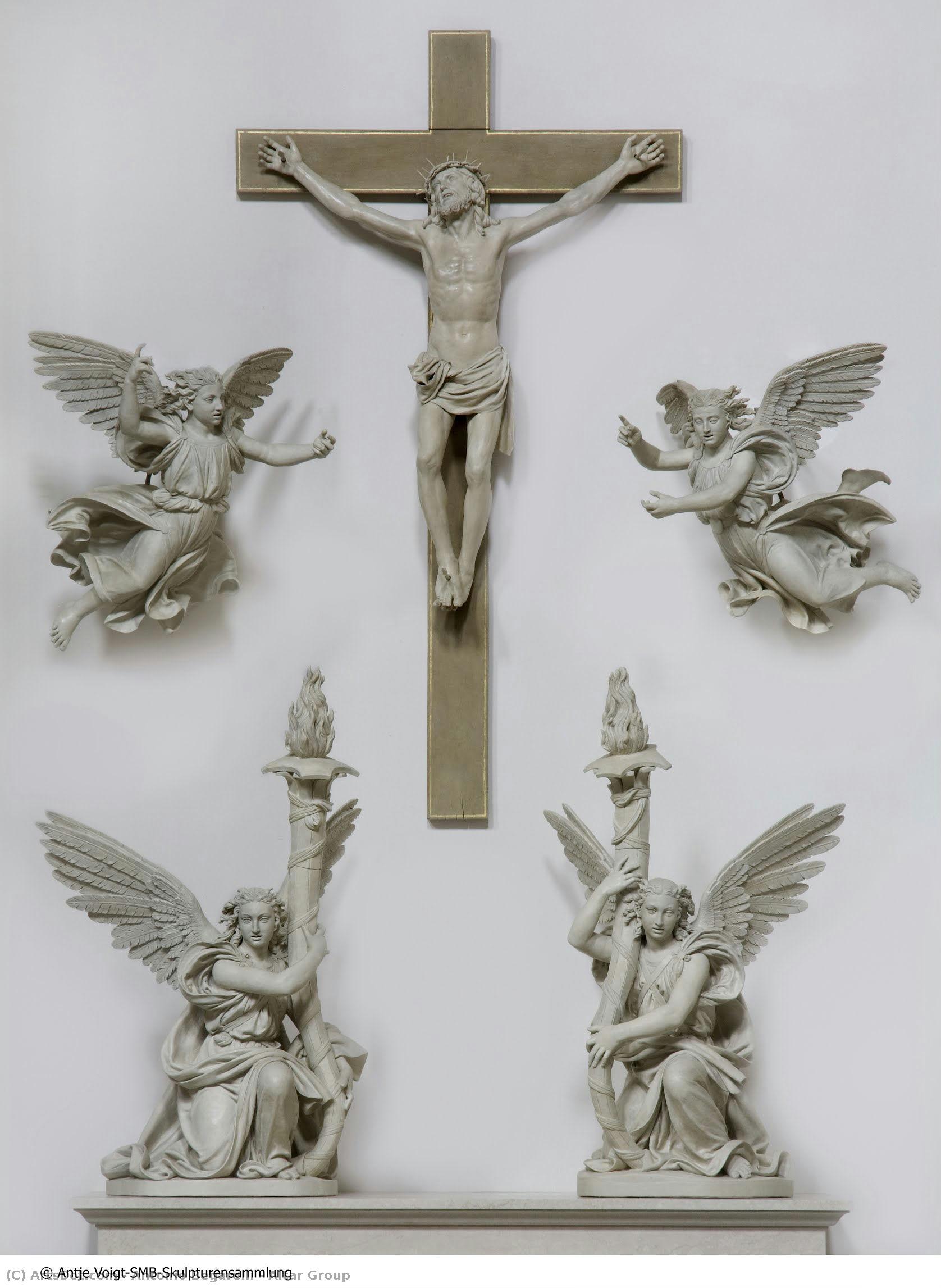
- Altar Group
 Objednať reprodukciu Kúpiť digitálnu verziu
 Odoslať
 Zdieľať
 Podrobnosti o dielo
 Pridať do obľúbených

 Stiahnuť
 Podobné diela
 RTG skúška
 Prezentácia
Altar Group

 Zobraziť viac
Giclée / Umenotlač
Giclée tlač alebo plátno múzeálnej kvality s rýchlou výrobou a flexibilnými možnosťami povrchovej úpravy.




































Vyberte si z našich preddefinovaných rozmerov, ktoré zodpovedajú pôvodným pomeroḿ diela.

Môžete zadať vlastné rozmery, aby sa reprodukcia prispôsobila konkrétnemu rámu alebo priestoru. Ak zvolená veľkosť nebude zodpovedať proporciám originálu, dielo buď orežeme, alebo obraz rozšírime pomocou zrkadlenia či farebného doplnenia okrajov. Pred začatím výroby vám pošleme digitálnu ukážku na schválenie.
Máte na vedomí, že náhľad na obrazovke neodzrkadľuje skutočné orezanie alebo rozšírenie. Len digitálna ukážka presne zobrazí finálnu kompozíciu.
Hoci sú k dispozícii vlastné rozmery, pre zachovanie pôvodných proporcií odporúčame vybrať si rozmer z vopred definovaného zoznamu.
Celosvetová doprava () do 2 týždňov namiesto štandardných 4/5 týždňov. (22 júl)

Bezplatná expresná doprava po celom svete

Prémiové lnianske plátno

Kompletné poistenie prepravy

Záruka vrátenia colného poplatku

Záruka presného farebného zhodnutia

60-dňá politika vrátenia (iba pri defektoch)

100% záruka vrátenia peňazí

Výhodná množstevná zľava
 Možnosť skla je dostupná len pri rozmeroch pod 110 cm

Altar Group
Giclée / Umenotlač
Veľkosť reprodukcie
-


Celková cena za vybrané možnosti
-
Popis predmetu
Biografia umelca
Antonio Begarelli: The Sculptor Who Replaced Paint
Antonio Begarelli (c. 1499 – 1565) stands as a singular figure in the artistic landscape of Renaissance Italy, particularly renowned for his pioneering approach to sculptural decoration—a deliberate substitution of painted panels with terracotta reliefs that fundamentally altered the aesthetic sensibilities of his time. Born in Modena, he emerged from the workshop of Giovanni dell’Abbate, Niccolò’s father, absorbing influences from the burgeoning realism championed by artists like Guido Mazzoni II Modanino. This stylistic shift marked a decisive break from prevailing conventions and cemented Begarelli's place as an innovator.- Early Life & Training: Begarelli’s formative years were spent honing his craft under Giovanni dell’Abbate, immersing himself in the artistic currents of Modena during a period characterized by fervent religious fervor.
- Modena Workshops: He established himself as a dominant sculptor in Modena, collaborating extensively with Mazzoni II Modanino and transforming churches throughout the region into spaces adorned with terracotta sculptures—a revolutionary technique that prioritized textural richness and sculptural presence over illusionistic color.
- Parma Patronage & Correggio Connection: Begarelli’s reputation extended beyond Modena when he secured commissions from Parma’s aristocratic elite, furthering his artistic explorations. While speculation persists regarding a connection between Begarelli and Raphael (Correggio), scholarly consensus suggests their stylistic differences—Begarelli favoring earthy tones and monumental scale—demonstrate distinct artistic trajectories.
A Unique Sculptural Style: Terra Cotta & Marble Illusion
Begarelli’s distinctive style distinguished him from his contemporaries, notably Correggio. Unlike Correggio's ethereal frescoes employing sfumato techniques to create atmospheric depth and illusionistic perspective, Begarelli opted for terracotta—a readily available material—to achieve a strikingly realistic effect. He skillfully employed white pigment to mimic the appearance of marble, elevating the sculptural reliefs to levels of grandeur and sophistication previously unattainable through painting alone. Giorgio Vasari famously remarked that Michelangelo considered Begarelli’s terracotta sculptures “most excellent productions,” highlighting their impact on artistic discourse.- Material Choice: The deliberate use of terracotta contrasted sharply with Correggio's mastery of fresco, emphasizing sculptural form and texture over optical illusion.
- Color Palette: Begarelli favored a monochrome palette—primarily white—creating an impression of marble luminosity that captivated viewers and established a new standard for decorative sculpture.
Influences & Legacy
Begarelli’s artistic sensibilities were profoundly shaped by Benvenuto Tisi da Caravaggio, whose dramatic chiaroscuro style mirrored Begarelli's commitment to conveying emotion through sculptural form. Vasari noted that Michelangelo admired Begarelli’s sculptures for their ability to evoke profound feelings—a testament to the sculptor’s mastery of expressive technique. His pupils included Alberto Fontana and Niccolò dell’Abbate, ensuring the continuation of his innovative approach to terracotta sculpture.- Caravaggio Influence: Begarelli's style reflects Caravaggio's emphasis on dramatic lighting and emotional intensity—a stylistic convergence that underscores the shared artistic vision of their era.
Notable Works & Recognition
Begarelli’s enduring legacy resides in his monumental terracotta sculptures adorning churches throughout Modena and Parma, particularly “Deposition” (1530) and “Altar Group,” which exemplify the pinnacle of Renaissance sculptural achievement. His contribution to artistic history is undeniable—he ushered in a transformative era where sculpture supplanted painting as the dominant medium for religious decoration, forever altering the visual culture of his time.
Antonio Begarelli
1490 - 1565 , Italy
Základné informácie
- Artistic Movement Or Style: Late Renaissance
- Artists Or Movements Influenced By This Artist: ['Benvenuto Tisi']
- Artists Who Influenced This Artist: ['Guido Mazzoni']
- Date Of Birth: ca. 1499
- Date Of Death: 1565
- Full Name: Antonio Begarelli
- Nationality: Italian
- Notable Artworks:
- Deposition
- Altar Group
- Madonna del Latte
- Place Of Birth: Modena, Italy

