
 Náhľad
 Odoslať
 Zdieľať
 Podrobnosti o dielo

 Stiahnuť
 Podobné diela
 RTG skúška
 Prezentácia
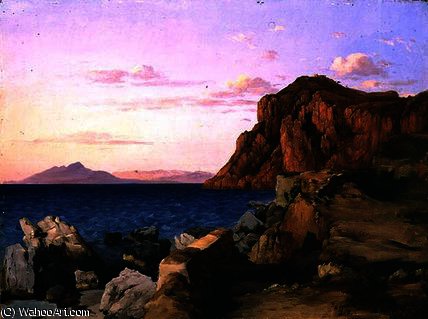
Rocky landscape
 Zobraziť viac
Ručne maľovaná olejová reprodukcia
Ručne maľovaný olej na plátne vo vašej zvolenej veľkosti a v ráme, vyrobený na mieru našimi umelcami. ( Kúpiť tlač Kúpiť obrázok)




































Vyberte si z našich preddefinovaných rozmerov, ktoré zodpovedajú pôvodným pomeroḿ diela.

Môžete zadať vlastné rozmery tak, aby sa hodili do konkrétneho rámu alebo priestoru. Ak sa váš zvolený rozmer nezhoduje s pôvodnými proporciami obrazu, dielo buď orezáme, alebo ho doplníme ručne maľovanými prvkami. Pred začiatkom výroby vám zašleme digitálny náhľad na schválenie.
Upozorňujeme, že ukážka na obrazovke neodráža skutočné orezanie alebo doplnenie. Skutočnú finálnu kompozíciu zobrazuje iba digitálny náhľad.
Hoci sú k dispozícii vlastné rozmery, odporúčame vybrať rozmer z preddefinovaného zoznamu, aby sme zachovali pôvodné proporcie.
Po odoslaní objednávky vám tím OriginalUniqueArt.com pošle e-mail s pokynmi a poskytne náhľad na návrh.
Celosvetová doprava () za 3 až 4 týždne namiesto štandardných 5 týždňov. (26 august). Bez kompromisov v kvalite.

Bezplatná expresná doprava po celom svete

Prémiové lnianske plátno

Kompletné poistenie prepravy

Záruka vrátenia colného poplatku

Záruka presného farebného zhodnutia

60-dňá politika vrátenia (iba pri defektoch)

100% záruka vrátenia peňazí

Výhodná množstevná zľava
 Možnosť skla je dostupná len pri rozmeroch pod 110 cm

Rocky landscape
Technika reprodukcie
Veľkosť reprodukcie
-


Celková cena za vybrané možnosti
$ 300
Biografia umelca
Antal Ligeti: Life and Legacy
Early Life and Artistic Beginnings
- Born: Antal Hekler (he later adopted the name Ligeti) in 1823, in Karakö̈r, Romania.
- Initially expected to follow his family into merchantry, Ligeti harbored a strong passion for art from a young age.
- He defied familial expectations and journeyed to Italy – specifically Naples and Florence – to pursue formal artistic training.
- Florence proved pivotal as he studied under his compatriot, Károly Markó, who significantly influenced his early style.
Travels and Artistic Development
- A brief period in Munich preceded Ligeti’s return to Hungary in 1848, where he briefly participated in the Hungarian Revolution.
- Settling initially in Sopron, his attempts at portraiture proved unsuccessful, leading him to Pest (Budapest).
- A turning point came with the patronage of Count István Károlyi, who provided Ligeti with accommodation and financial support.
- Between 1855 and 1861, Ligeti embarked on extensive travels to Egypt, Palestine, Syria, Cyprus, and Malta. These journeys were crucial in shaping his artistic focus.
- He amassed a vast collection of sketches during these expeditions, which served as the foundation for many of his subsequent paintings.
Artistic Style and Themes
- Ligeti primarily worked in oils, mastering landscape painting, orientalist themes, and portraiture.
- Orientalism became a defining characteristic of his work, reflecting the exotic landscapes and cultures he encountered during his travels. His paintings often depict scenes from North Africa and the Middle East with vibrant colors and dramatic lighting.
- His landscapes showcase a Romantic sensibility, emphasizing atmosphere, emotion, and the sublime beauty of nature.
- While known for larger-scale works, Ligeti also produced smaller, intimate studies demonstrating his technical skill and observational abilities.
Major Achievements and Recognition
- By 1861, Ligeti had established a successful studio in Pest, solidifying his reputation as a prominent artist.
- In 1868, he was appointed curator of the art gallery at the Hungarian National Museum, demonstrating his standing within the Hungarian art world.
- Ligeti’s work gained considerable acclaim during his lifetime, and he became a sought-after artist among collectors and patrons.
Influence and Legacy
- Ligeti served as a mentor to several younger artists, most notably Mihály Munkácsy and Géza Mészöly, shaping the next generation of Hungarian painters.
- His paintings continue to be exhibited in museums and galleries throughout Hungary and internationally.
- Ligeti’s contribution lies in his ability to blend Romantic aesthetics with Orientalist subject matter, creating a unique visual language that captured the spirit of 19th-century exploration and artistic innovation.
- He died in 1890, leaving behind a rich artistic legacy that continues to inspire and captivate audiences today.

Antal Ligeti
1823 - 1890 , Romania
Základné informácie
- Birth Date: 1823
- Birth Place: Karakö̈r, Romania
- Death Date: 1890
- Influenced:
- Mihály Munkácsy
- Géza Mészöly
- Influenced By: Károly Markó
- Movement: Romanticism, Orientalism
- Name: Antal Ligeti
- Nationality: Hungarian
- Notable Works:
- Oasis In The Desert
- View Of Visegrád With The Solomon Tower
- Sunset On The Nile
- Greek Temple
- Italian Landscape

