

 Náhľad
 Odoslať
 Zdieľať
 Podrobnosti o dielo

 Stiahnuť
 Podobné diela
 RTG skúška
 Prezentácia
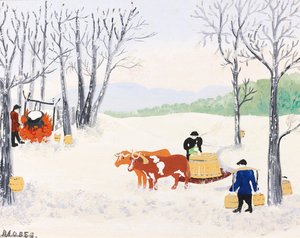
The Last Load
 46.0 x 61.0 cm
 Zobraziť viac
Ručne maľovaná olejová reprodukcia
Ručne maľovaný olej na plátne vo vašej zvolenej veľkosti a v ráme, vyrobený na mieru našimi umelcami. ( Kúpiť tlač Kúpiť obrázok)




































Vyberte si z našich preddefinovaných rozmerov, ktoré zodpovedajú pôvodným pomeroḿ diela.

Môžete zadať vlastné rozmery tak, aby sa hodili do konkrétneho rámu alebo priestoru. Ak sa váš zvolený rozmer nezhoduje s pôvodnými proporciami obrazu, dielo buď orezáme, alebo ho doplníme ručne maľovanými prvkami. Pred začiatkom výroby vám zašleme digitálny náhľad na schválenie.
Upozorňujeme, že ukážka na obrazovke neodráža skutočné orezanie alebo doplnenie. Skutočnú finálnu kompozíciu zobrazuje iba digitálny náhľad.
Hoci sú k dispozícii vlastné rozmery, odporúčame vybrať rozmer z preddefinovaného zoznamu, aby sme zachovali pôvodné proporcie.
Po odoslaní objednávky vám tím OriginalUniqueArt.com pošle e-mail s pokynmi a poskytne náhľad na návrh.
Celosvetová doprava () za 3 až 4 týždne namiesto štandardných 5 týždňov. (29 august). Bez kompromisov v kvalite.

Bezplatná expresná doprava po celom svete

Prémiové lnianske plátno

Kompletné poistenie prepravy

Záruka vrátenia colného poplatku

Záruka presného farebného zhodnutia

60-dňá politika vrátenia (iba pri defektoch)

100% záruka vrátenia peňazí

Výhodná množstevná zľava
 Možnosť skla je dostupná len pri rozmeroch pod 110 cm

The Last Load
Technika reprodukcie
Veľkosť reprodukcie
-


Celková cena za vybrané možnosti
$ 300
Biografia umelca
A Life Painted in Rural Grace
The story of Anna Mary Robertson, known to the world as Grandma Moses, is one of the most enchanting chronicles in American art history. Born on September 7, 1860, in the quiet hamlet of Greenwich, New York, her early years were deeply rooted in the rhythmic, seasonal labors of a family farm. This upbringing provided more than just a backdrop; it served as the very soul of her future work. Before she ever picked up a brush with intention, Robertson lived the scenes she would later immortalize. Her life was defined by the textures of rural existence—the biting chill of a New England winter, the warmth of a wood-burning stove, and the communal spirit of village traditions. Though she spent much of her life engaged in the demanding physical work of farming and housekeeping, an innate observant eye was always at work, capturing the subtle beauty of the natural world and the simple dignity of country life.
Her transition from a hardworking farmwife to a celebrated painter is nothing short of legendary. It was not until her late seventies, prompted by the physical limitations following a debilitating stroke in 1935, that she turned toward fine arts as a way to keep her hands busy and her spirit engaged. This late-blooming creativity transformed her from an observer of tradition into its most prominent chronicler. Her work did not emerge from formal academic training but from a deep-seated connection to the folk traditions of her heritage, drawing inspiration from the vibrant patterns of Amish quilts and the nostalgic charm of 19th-century Americana.
The Language of Folk Artistry
The technique of Grandma Moses is as heartwarming and accessible as the subjects she chose to depict. Eschewing the complex shadows and anatomical precision of classical realism, she embraced a style characterized by bold outlines, simplified forms, and a luminous palette. She often utilized casein paint—a durable medium derived from milk protein—which allowed her to achieve a soft yet lasting vibrancy on her canvases. Her compositions frequently featured meticulously crafted checkerboard patterns and sweeping landscapes that felt both intimate and expansive.
Her visual vocabulary was built upon the familiar:
- Vibrant Landscapes: Rolling hills, snow-covered roads, and sun-drenched meadows that evoke a sense of eternal spring or peaceful winter.
- Communal Scenes: Busy farmyards, church gatherings, and village festivities that celebrate the strength of human connection.
- Seasonal Narratives: A profound focus on the cycle of life, from the harvest celebrations to the quiet solitude of a frozen river.
- Symbolic Simplicity: Using bright, primary colors and clear shapes to convey emotion without the need for complex ornamentation.
Legacy and Historical Significance
As her fame grew during the 1950s, Grandma Moses became a cultural phenomenon, appearing on the covers of prestigious publications like Time Magazine and becoming a symbol of American resilience and nostalgia. Her work offered a sanctuary of peace to a nation navigating the rapid technological and social shifts of the mid-20th century. She did not merely paint pictures; she preserved a vanishing way of life, capturing the essence of an era that many feared was being lost to modernity.
The historical significance of her contribution lies in her role as a pioneer of the American Folk Art movement. By elevating "primitive" or "outsider" perspectives to the heights of fine art, she challenged the rigid hierarchies of the art world. Her ability to find profound beauty in the mundane—a sugar house, a horse-drawn carriage, or a simple flock of sheep—remains her greatest gift to posterity. Today, her legacy lives on through her celebrated works that continue to evoke a sense of wonder, reminding us that art is not found solely in museums, but in the very fabric of our shared history and the quiet moments of rural grace.
anna mary robertson
1860 - 1961
Základné informácie
- Artistic Movement Or Style: Folk Art America
- Artists Or Movements Influenced By This Artist: ['']
- Artists Who Influenced This Artist: ['']
- Date Of Birth: September 7, 1860
- Full Name: Anna Mary Robertson
- Nationality: American
- Notable Artworks:
- At the Bend of the River
- Sugar House
- Place Of Birth: Greenwich, New York

