

 Zobraziť v interiéri
 Odoslať
 Zdieľať
 Podrobnosti
 Príručka

 Stiahnuť
 Podobné položky
 RTG skúška
 Prehliadanie diapo\]
 Štatistiky
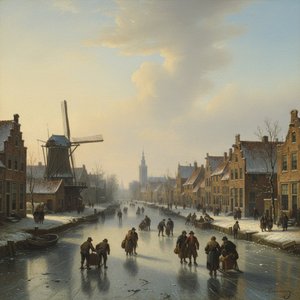
Landscape With Figures, Evening

 Prečítať si viac
Giclée / Umenotlač
Giclée tlač alebo plátno múzeálnej kvality s rýchlou výrobou a rôznymi možnosťami povrchovej úpravy. ( Objednať ručne maľovanú reprodukciu Prepnúť na digitálnu verziu obrazu)




































Vyberte si z našich preddefinovaných rozmerov, ktoré zodpovedajú pôvodným pomeroḿ diela.

Zadajte šírku a výšku, ktoré potrebujete, aby sa reprodukcia hodila k vášmu rámu alebo stene. Print možno len orezávať, nikdy však nemennú veľkosť zvětšiť oproti pôvodnému obrázku, preto pri inom formáte stráca časť obrazu. Pred samotným vytlačiacím procesom vám pošleme digitálny náhľad na schválenie. Obrázok zobrazený na tejto stránke nezobrazuje reálny rez — len digitálny náhľad ukazuje presný výsledok.
Celosvetová doprava () do 2 týždňov namiesto štandardných 4 až 5 týždňov. (24 október)

Bezplatná expresná doprava po celom svete

Vysokokvalitné lnianske plátno

Úplné poistenie prepravy

Záruka vrátenia colného poplatku

Záruka presného farebného zhodnutia

100-dená politika vrátenia tovaru (iba pri vadách)

100% záruka vrátenia peňazí

Ponuka množstevnej zľavy
 Možnosť skla je dostupná len pri rozmeroch pod 110 cm

Landscape With Figures, Evening
Giclée / Umenotlač
Veľkosť reprodukcie
-


Celková cena
€ 70
Biografia umelca
A Life Captured in the Shadows of Rome
The life of Andries Both was as transient and dramatic as the scenes he captured on canvas. Born in Utrecht, the son of a glass painter, his early years were steeped in the rich traditions of Dutch craftsmanship. Under the tutelage of Abraham Bloemaert, Both began to refine a vision that would eventually lead him far from the familiar landscapes of the Netherlands. His journey took him through Rouen and ultimately into the heart of Rome, where he became a notable figure among the bamboccianti—a spirited group of Dutch and Flemish painters who found inspiration in the gritty, unvarnished reality of Italian life.
In Rome, Both’s presence was firmly established between 1635 and 1641. He lived a life shared with his brother, Jan, navigating the vibrant artistic circles of the city. The brothers resided on the Via Vittoria, within the parish of San Lorenzo in Lucina, and may have been part of the Bentvueghels, an influential group of artists active in Rome. This period of his life was marked by a deep immersion in the everyday rhythms of the Roman countryside and its lower classes, providing him with a wealth of subject matter that would define his artistic legacy.
The Art of the Bambocciata
Both’s work is celebrated for its Bambocciata style, a genre characterized by small-scale cabinet paintings that depict the more rauceless and often humorous aspects of common life. His brushstrokes were broad and expressive, capable of conveying both a sense of harsh reality and a certain farcical charm. He did not shy away from the seamier side of existence; instead, he embraced it with an eye for detail that could be both objective and outrageous.
His compositions often functioned as subtle moral admonitions. In works such as The Card Players, he masterfully wove together independent narratives to critique social vices. Through the depiction of card-playing—a pastime then equated with idleness and deceit—and suggestive symbols like an egg representing fertility or infidelity, Both invited viewers to contemplate the consequences of immoral behavior. This ability to blend the mundane with the moral gave his work a profound depth that resonated far beyond simple genre painting.
Influences and Artistic Legacy
The lineage of Both’s artistry is a tapestry of great masters. He drew significant inspiration from the 16th-century Netherlandish traditions, particularly the peasant subjects pioneered by Pieter Brueghel the Elder. Furthermore, the influence of Flemish painters like Adriaen Brouwer and Adriaen van Ostade is evident in his caricatural figures and tavern scenes. These influences allowed him to create characters that felt both grounded in reality and heightened by a sense of theatricality.
Though his career was tragically cut short when he died by drowning in a Venetian canal while returning to the Netherlands, his impact on the genre painting tradition remains significant. He helped cultivate a specific aesthetic that found beauty in the overlooked and the unrefined, ensuring that the lives of the common people were etched into the history of European art with both humor and truth.

Andries Both
1613 - 1642 , Netherlands
Rýchle fakty
- Artistic Movement Or Style: Bamboccianti, genre painting
- Artists Who Influenced This Artist:
- Abraham Bloemaert
- Pieter Brueghel the Elder
- Adriaen Brouwer
- Full Name: Andries Both
- Nationality: Dutch
- Notable Artworks: ['The Card Players']
- Place Of Birth: Utrecht, Netherlands
- Date Of Birth: 1613
- Date Of Death: 1642
Súvisiace články

Top 10 majstrovských diel holandskej Zlatej éry: Umění pre váš domov s OriginalUniqueArt.com
Ponorte sa do sveta holandskej Zlatej éry s OriginalUniqueArt.com! Objavte príbehy Rembrandta, Vermeera a ďalších majstrov baroka. Reprodukcie obrazov pre váš domov – inšpirujte sa nadčasnými dielami. Preskúmajte kolekciu online!

Golden Light & Dutch Skies: The Timeless Magic of Dutch Golden Age Landscapes
Discover the breathtaking beauty of Dutch Golden Age landscapes. Explore the mastery of light, chiaroscuro, and 17th-century realism through an expert art history lens, celebrating the enduring legacy of the Dutch Masters for discerning collectors and art lovers.
Charles Leickert: Capturing the Dutch Golden Age Light – A Comprehensive Study of Technique, Context, and Legacy
Explore the captivating winter landscapes of Charles Leickert, a master of Dutch Golden Age light & atmosphere. Discover his techniques, symbolism, and lasting legacy – a comprehensive study for art enthusiasts and collectors.

Masterpieces of Light: A Definitive Guide to the Landscapes of the Dutch Golden Age
Discover the luminous mastery of Dutch Golden Age landscapes. Our expert guide explores the atmospheric realism of masters like Van Goyen and Cuyp. Elevate your space with museum-quality, hand-painted oil reproductions from OriginalUniqueArt.com. Art history, beautifully realized.

Golden Light & Dutch Skies: Bringing the Magic of Dutch Golden Age Landscapes into Your Home
Transform your home with the breathtaking light of Dutch Golden Age landscapes. Discover how hand-painted oil reproductions of masterworks like Ruisdael and Vermeer bring timeless elegance, atmosphere, and soulful texture to modern interiors. Elevate your space with museum-quality art.
