

 Náhľad
 Odoslať
 Zdieľať
 Podrobnosti o dielo

 Stiahnuť
 Podobné diela
 RTG skúška
 Prezentácia
 Štatistiky
Landscape
 33.0 x 55.0 cm
 Zobraziť viac
Giclée / Umenotlač
Giclée tlač alebo plátno múzeálnej kvality s rýchlou výrobou a flexibilnými možnosťami povrchovej úpravy. ( Kúpiť ručne maľovaný obraz Prepnúť na digitálny obraz)




































Vyberte si z našich preddefinovaných rozmerov, ktoré zodpovedajú pôvodným pomeroḿ diela.

Môžete zadať vlastné rozmery, aby sa reprodukcia prispôsobila konkrétnemu rámu alebo priestoru. Ak zvolená veľkosť nebude zodpovedať proporciám originálu, dielo buď orežeme, alebo obraz rozšírime pomocou zrkadlenia či farebného doplnenia okrajov. Pred začatím výroby vám pošleme digitálnu ukážku na schválenie.
Máte na vedomí, že náhľad na obrazovke neodzrkadľuje skutočné orezanie alebo rozšírenie. Len digitálna ukážka presne zobrazí finálnu kompozíciu.
Hoci sú k dispozícii vlastné rozmery, pre zachovanie pôvodných proporcií odporúčame vybrať si rozmer z vopred definovaného zoznamu.
Celosvetová doprava () do 2 týždňov namiesto štandardných 4/5 týždňov. (10 september)

Bezplatná expresná doprava po celom svete

Prémiové lnianske plátno

Kompletné poistenie prepravy

Záruka vrátenia colného poplatku

Záruka presného farebného zhodnutia

100-dená politika vrátenia tovaru (iba pri vadách)

100% záruka vrátenia peňazí

Výhodná množstevná zľava
 Možnosť skla je dostupná len pri rozmeroch pod 110 cm

Landscape
Giclée / Umenotlač
Veľkosť reprodukcie
-


Celková cena za vybrané možnosti
$ 80
Biografia umelca
The Luminous Evolution of André Favory
In the vibrant tapestry of early twentieth-century French art, few threads are as complex and captivating as that of André Favory. Born in Paris on March 9, 1888, Favory emerged during an era of profound aesthetic upheaval, a time when the rigid traditions of the past were being dismantled by the radical geometries of Cubism and the kinetic energy of Futurism. As a student at the prestigious Académie Julian, his early training provided him with a formidable technical foundation, yet his artistic soul was destined to wander far beyond the confines of academic classicism. His formative years were deeply marked by the structural lessons of Paul Cézanne, whose ability to render the world through volume and sculptural form became a cornerstone of Favory’s visual language.
The trajectory of Favory’s life was irrevocably altered by the shadows of the First World War. Mobilized in 1914, the harrowing experience of the trenches brought a profound psychological shift to his creative consciousness. Upon his return to the art world in 1919, the intellectual rigor of the Cubist movement—which he had previously embraced—began to feel increasingly detached and sterile. Seeking a more visceral connection to existence, Favory turned his gaze away from geometric fragmentation and toward the carnal aspects of nature and life. This period marked the birth of a new sensibility, one that sought to capture the warmth of the human spirit and the sensory richness of the natural world.
A Mastery of Color and Sensuality
As Favory transitioned into the mid-1920s, his palette underwent a breathtaking transformation. He began to move away from the cerebral and toward the sensual, finding deep inspiration in the monumental works of Peter Paul Rubens. Through frequent travels to Belgium, he studied the Flemish master’s ability to manipulate light and flesh, a pursuit that led Favory to develop a style characterized by luminous landscapes, voluptuous nudes, and intimate female portraits. His canvases became windows into a world bathed in golden light, where expressive brushwork and vibrant, warm tones conveyed an emotional depth that resonated with the burgeoning Impressionist revival.
This era of his career was defined by several key artistic milestones:
- The Shift to Sensualism: Abandoning the rigid formalism of Cubism for a more fluid, emotive approach to subject matter.
- Mastery of Light: Utilizing Rubens-inspired luminosity to imbue landscapes and figures with a sense of vitality and warmth.
- Illustrative Brilliance: Demonstrating versatility through his work as an illustrator for notable literary figures such as Jules Supervielle and Gustave Flaubert.
- Global Recognition: Showcasing his talent in major international art hubs, including London, New York, Amsterdam, and Tokyo.
Legacy and Historical Significance
Favory’s career was a testament to the resilience of the human spirit and the enduring power of beauty. Despite being forced to cease painting in the early 1930s due to a debilitating illness, his impact on the art world remained indelible. He was recognized by the most influential critics of his day, such as Louis Vauxcelles, as a major artist of his generation, capable of bridging the gap between the intellectual avant-garde and the deeply felt traditions of classical painting. His works, now held in prestigious institutions like the Musée National d'Art Moderne in Paris and the State Hermitage Museum in Russia, continue to captivate audiences with their profound grace.
Ultimately, André Favory stands as a bridge between eras. He took the structural lessons of the modernists and infused them with a timeless, painterly passion. In his hands, the landscape was not merely a subject to be analyzed, but a living, breathing entity; the human figure was not just a form to be studied, but a vessel for light, color, and emotion. His legacy remains a vital part of the French modernist narrative, reminding us that even in an age of fragmentation, there is an eternal pull toward the beauty of the whole.
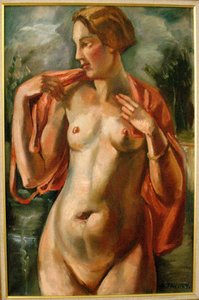
andré favory
1888 - 1937
Základné informácie
- Artistic Movement Or Style: Cubism, Sensual landscapes
- Artists Who Influenced This Artist:
- Peter Paul Rubens
- Paul Cézanne
- Date Of Birth: 1888
- Date Of Death: 1937
- Full Name: André Favory
- Nationality: French
- Notable Artworks:
- Figure of a Woman
- Untitled (ARCUJK)
- Landscape
- Place Of Birth: France