Fauvism · 1923
Nude (André Derain, 1923)
André Derain (1880–1954) vytvoril Nude. Pochádza z roku 1923. Patrí k umeleckému smeru Fauvism. Je vyrobené z Oil On Canvas. Rozmery sú 44 × 58 cm.
- 1923
- Oil On Canvas
- 44 × 58 cm

 Náhľad v interiéri

 Ručne maľovaná olejná reprodukcia
 Odoslať ako digitálnu kartu
 Zdieľať
 Informačný list


 Stiahnuť obraz
 Podobné položky
 RTG skúška
 Prehliadanie diapozoje
 Otázky a odpovede

 Štatistiky
Nude v krátkosti
- Názov
- Nude
- Umelec
- André Derain (1880–1954)
- Narodený v roku
- Chatou, Francúzsko
- Dátum
- 1923
- Technika
- Oil On Canvas
- Rozmery
- 44 × 58 cm
- Pohyb
- Fauvism
- Obdobie
- Modern
- Motív
- woman, nude, female figure, grayscale, seated woman
Čo zobrazuje Nude?
Identification of the Nude by André Derain
In this 1923 work, titled Nude, André Derain turns his attention to the quietude of the human form. The painting presents a nude female figure, captured in a moment of stillness that invites a closer, more intimate observation. It is a study of presence and form, rendered with a focus on the essential character of the subject.
The artist, André Derain, approaches the figure with a sense of restraint. Rather than relying on the loud, unmixed hues of his earlier Fauvist period, this piece reflects a more disciplined sensibility. The subject is seated and facing forward, occupying the central space of the composition. There is a certain gravity to her pose, suggesting a state of introspection or perhaps a quiet contemplation of her surroundings.
This work belongs to a period in the artist's career where structure and form began to take precedence. The figure is defined by simplified shapes and a deliberate use of line. It is a direct encounter with the subject, stripped of unnecessary distraction, allowing the viewer to focus entirely on the weight and volume of the female form as it exists within the frame.
Composition and Visual Elements
The figure is centrally positioned within the frame, creating a quiet sense of balance that draws the eye immediately to the subject. She is seated in a moment of stillness, her pose defined by arms crossed and resting upon her legs. This arrangement suggests a state of introspection or perhaps a simple, unhurried relaxation. The composition avoids complex spatial arrangements, opting instead for a relatively flat perspective that lacks a strong sense of depth, keeping the viewer's attention fixed on the immediate presence of the form.
There is a deliberate simplification in how the human form is rendered. The artist employs simplified geometric shapes to represent the body, using curves to trace the silhouette while sharper angles define the features of the face, such as the nose and eyebrows. This structural approach gives the figure a certain weight and presence despite the lack of environmental detail. The background remains largely undefined, which serves to isolate the subject and emphasize the contours of her body.
The palette is strictly monochromatic, relying on a controlled range of shades including gray, white, and black. Rather than using color to create volume, the artist uses subtle variations in tone to model the figure. Strong, visible brushstrokes define the contours of the body and the facial features. These lines are not blended into smooth transitions; instead, they retain an individual character that adds a tactile energy to the surface. The interplay between these textured strokes and the softer areas of the skin creates a visual rhythm that is both disciplined and expressive.
Technique and Material Details
This work is an oil on canvas, executed with a deliberate and tactile approach to the medium. The artist employs visible brushstrokes that remain unblended in many areas, creating a surface defined by its physical texture. These marks are not merely marks of application but are essential to the structural definition of the figure, providing a sense of energy and movement across the form.
There is a clear evidence of layering and careful blending used to achieve subtle tonal variations. This technique allows for a nuanced transition between light and shadow, giving the subject a sense of volume and presence. The interplay of these layers creates a depth that relies on the weight of the paint rather than a reliance on linear perspective. The result is a surface where the materiality of the oil paint is as much a part of the composition as the subject itself.
Vysoko rozlíšené fotografie diela Nude

André Derain, Nude (1923). Verejné vlastníctvo
Farby presne zodpovedajúce originálu vďaka digitálnej úprave, súbor jemne retušovaný a verný ťahom umelcovského štetca.
Stiahnite si vo vysokom rozlíšeníOtázky k dielu Nude, odpovede
Kedy bolo vytvorené dielo „Nude“ od André Derain?
Dielo „Nude“ od André Derain vzniklo v roku 1923.
V akom médiu je vytvorené dielo „Nude“ od André Derain?
„Nude“ je realizované v technike Oil On Canvas.
Aké sú rozmery originálu „Nude"?
Pôvodné rozmery diela "Nude" sú 44 x 58 cm. Pôvodné rozmery sú užitočným vodidlom pri výbere veľkosti reprodukcie.
Čo zobrazuje dielo „Nude“ od André Derain?
Témy predstavované v díle „Nude“ od André Derain zahŕňajú woman, nude, female figure, grayscale, seated woman. Spolu zhrňujú predmet skladby.
Možno voľne reprodukovať obraz diela „Nude“ od André Derain?
„Nude“ od André Derain patrí do v slobodnom prostredí – autorské práva vypršali. Tento stav určuje pravidlá pre reprodukciu obrazu tohto diela.
Kto je umelcom diela „Nude"?
Dielo „Nude“ sa pripisuje autorovi André Derain.
Do ktorého umeleckého smeru patrí „Nude“ od André Derain?
„Nude“ je dielo smeru Fauvism. Tento smer odzrkadľuje umeleckú tradíciu, ktorej toto dielo súčasťou.
Do ktorej obdobia tvorby André Derain spadá dielo "Nude"?
"Nude" predstavuje Return to order umelca André Derain.
Koľko rokov mal/a André Derain, keď vytvoril/a „Nude“ v roku 1923?
Keď bolo dielo „Nude“ vytvorené v roku 1923, umelec André Derain – narodený v roku 1880 – mal 43 rokov.
O umelcovi, André Derain
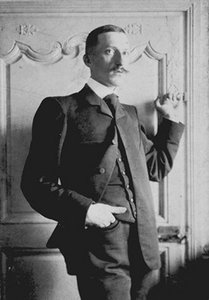
1880–1954, Francúzsko
André Derain
Raný život, rodina a vzdelanie V roku 1880 sa André Derain narodil v Chatou, v dedine nestledej v regióne Yvelines vo Francúzsku. Jeho rané roky formovali tiché krajiny Île-de-France, kde v ňom začala zapúšczať koren prirodzená curiosita pre jeho okolie. Už v roku 1895 sa začal učiť sám, snažiac sa pochopiť vizuálny svet vlastnými očami namiesto formálneho výučenia. Toto obdobie samostatného hľadania mu umožnilo vyvinúť si osobitý spôsob vnímania skôr, než mu prísne akadémické pravidlá mohli narušiť jeho slobodu tvorby.
Aj od André Derain
 bathers1907
 London Bridge1906
 Charing Cross from sw1906
 Landscape at L'Estaque1906
Eseje k dielu Nude
 French artworks of the 1920sIconic French works by Matisse and Léger define the 1920s. Explore the full collection online at OriginalUniqueArt.com.
 The Evolving Human Form: Tracing Light and Flesh from Impressionism to Post-ImpressionismExplore the evolution of the human form from academic realism to Post-Impressionism. Trace the history of light and flesh with us.
 The Architecture of Stillness: A Curated Study of Seated Figures in Art HistoryExplore the psychological depth of seated figures from Rembrandt to Roman realism. Discover the secrets of art history now.