Fauvism · 1912
Cliffs (André Derain, 1912)
André Derain (1880–1954) vytvoril Cliffs. Pochádza z roku 1912. Patrí k umeleckému smeru Fauvism.
- 1912

 Náhľad v interiéri

 Ručne maľovaná olejná reprodukcia
 Odoslať ako digitálnu kartu
 Zdieľať
 Príručka


 Stiahnuť obraz
 Podobné položky
 RTG skúška
 Prehliadanie diapozoje
 Otázky a odpovede

 Štatistiky
Cliffs: základné informácie
- Názov
- Cliffs
- Umelec
- André Derain (1880–1954)
- Narodený v roku
- Chatou, Francúzsko
- Dátum
- 1912
- Pohyb
- Fauvism
- Motív
- landscape, cliffs, mountains, village, waterfall, fauvism
Čo zobrazuje Cliffs?
A Vision of Verdant Majesty: André Derain's "Cliffs"
André Derain’s “Cliffs,” painted in 1912 and residing within the esteemed State Hermitage Museum, is more than just a landscape; it's a vibrant testament to the revolutionary spirit of Fauvism. This artwork captures a breathtaking vista of mountains, cliffs, and cascading waterfalls, transporting viewers to a realm where nature’s power and tranquility intertwine. The scene unfolds with a charming village nestled in the valley below, framed by majestic peaks blanketed in lush greenery – an idyllic paradise rendered through Derain's distinctive lens. Two quaint houses near the bottom left corner add a touch of human presence to this otherwise wild expanse. The overall impression is one of dynamic energy and harmonious balance, showcasing nature’s grandeur alongside the quiet resilience of human settlement.Fauvism in Full Bloom: Style & Technique
"Cliffs" exemplifies the core tenets of Fauvism, a groundbreaking art movement that emerged in the early 20th century. Characterized by its bold use of color and expressive brushstrokes, Fauvism sought to liberate painting from representational constraints, prioritizing emotional impact over strict realism. Derain, alongside contemporaries like Henri Matisse, was a pivotal figure in this movement. The technique employed here is immediately striking: colors are applied directly to the canvas with loose, gestural strokes, creating a textured surface that vibrates with energy. Notice how the blues of the sky aren't blended seamlessly but rather layered and juxtaposed, contributing to a sense of atmospheric depth. The simplification of forms – cliffs rendered as sweeping planes of color rather than meticulously detailed rock faces – further emphasizes the painting’s emotional intensity. The lack of precise detail encourages viewers to engage with the artwork on a visceral level, responding to its raw energy and vibrant hues.Historical Context & Artistic Influences
Painted in 1912, "Cliffs" reflects a period of significant artistic experimentation. Following the Impressionists' focus on capturing fleeting moments of light, Fauvism pushed boundaries even further, embracing subjectivity and emotional expression. Derain’s work during this time was also influenced by his exploration of London, where he captured the city with a radical perspective distinct from previous depictions. The movement itself arose as a reaction against the academic traditions that dominated the art world at the time, seeking to forge a new path for artistic innovation and personal expression. Derain’s willingness to break free from conventional representation positioned him at the forefront of this transformative era.Symbolism & Emotional Resonance
Beyond its aesthetic appeal, "Cliffs" carries symbolic weight. The imposing cliffs themselves can be interpreted as symbols of strength, permanence, and the enduring power of nature. The small village nestled below suggests human resilience and adaptability in the face of such grandeur. The cascading waterfall represents a constant cycle of renewal and transformation. Ultimately, Derain’s "Cliffs" evokes a profound sense of tranquility and awe. It invites viewers to contemplate the beauty and majesty of the natural world while simultaneously celebrating the power of artistic expression to convey complex emotions and ideas. The painting's vibrant colors and dynamic composition create an uplifting and inspiring experience, making it a timeless masterpiece that continues to resonate with audiences today.Cliffs vo vysokom rozlíšení

André Derain, Cliffs (1912). Verejné vlastníctvo
Digitálny expert porovnáva farby s originálnym obrazom a retušuje súbor tak, aby verne odovzdal ťah pędzla umelca.
Kúpiť obraz vo vysokom rozlíšeníOtázky k Cliffs
V ktorom roku bolo vytvorené dielo „Cliffs“?
Vznik diela „Cliffs“ od André Derain sa datuje do roku 1912.
Čo zobrazuje dielo „Cliffs“ od André Derain?
Predmetmi diela „Cliffs“ sú landscape, cliffs, mountains, village, waterfall, fauvism, hermitage.
Patrí „Cliffs“ od André Derain do verejnej domény?
„Cliffs“ od André Derain patrí do v slobodnom prostredí – autorské práva vypršali. Tento stav určuje pravidlá pre reprodukciu obrazu tohto diela.
Kto je umelcom diela „Cliffs"?
Autorom diela „Cliffs“ je André Derain. Prácu nájdete v katalógu pod menom André Derain.
Do ktorého umeleckého smeru patrí „Cliffs“ od André Derain?
„Cliffs“ je dielo smeru Fauvism. Tento smer odzrkadľuje umeleckú tradíciu, ktorej toto dielo súčasťou.
K ktorej fáze tvorivého rozvoja André Derain patrí dielo „Cliffs“?
"Cliffs" predstavuje Early Fauvist Period umelca André Derain.
Koľko rokov mal/a André Derain, keď vzniklo dielo „Cliffs“?
André Derain mal/a 32 rokov, keď v roku 1912 vytvoril/a dielo „Cliffs“. Vek bol vypočítaný na základe roku narodenia umelca, 1880.
Patrí dielo „Cliffs“ od André Derain do verejnej vlastnícky sféry a prečo?
„Cliffs“ od André Derain sa nachádza v oblasti v slobodnom prostredí – autorské práva vypršali. Doba trvania autorského práva sa začína dňom smrti umelca, ktorého smrť nastala v roku 1954.
Ako sa dielo „Cliffs“ zapísalo do tém a štýlu umelca André Derain?
„Cliffs“ patrí k dielu André Derain v rámci smeru Fauvism, ktorého zachytané témy zahŕňajú represents a key work in derain's fauvist phase., celebrates nature’s beauty, tranquility, and vibrancy..
O umelcovi, André Derain
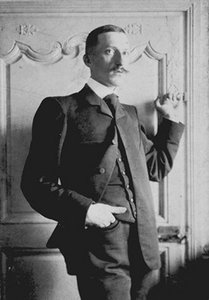
1880–1954, Francúzsko
André Derain
Raný život, rodina a vzdelanie V roku 1880 sa André Derain narodil v Chatou, v dedine nestledej v regióne Yvelines vo Francúzsku. Jeho rané roky formovali tiché krajiny Île-de-France, kde v ňom začala zapúšczať koren prirodzená curiosita pre jeho okolie. Už v roku 1895 sa začal učiť sám, snažiac sa pochopiť vizuálny svet vlastnými očami namiesto formálneho výučenia. Toto obdobie samostatného hľadania mu umožnilo vyvinúť si osobitý spôsob vnímania skôr, než mu prísne akadémické pravidlá mohli narušiť jeho slobodu tvorby.
Aj od André Derain
 bathers1907
 London Bridge1906
 Charing Cross from sw1906
 Landscape at L'Estaque1906

Eseje k dielu Cliffs
 André Derain: Fauvism's Bold Visionary & the Evolution of Modern ColorExplore the revolutionary art of André Derain, co-founder of Fauvism. Discover his bold use of color, evolution from radical expressionism …
 The Architecture of Awe: Examining the Sublime Power of Cliffs in Romantic Landscape ArtExplore the profound power of cliffs in Romantic art through expert analysis of the sublime. Discover the masters of landscape today.
 Fauvism vs German Expressionism: Distinguishing Color and EmotionMaster the differences between Fauvism and German Expressionism through expert analysis. Learn to decode the emotion behind the color today.