Fauvism
Cassis (André Derain)
André Derain (1880–1954) vytvoril Cassis. Patrí k umeleckému smeru Fauvism. Je vyrobené z Oil On Canvas.
- Oil On Canvas

 Náhľad v interiéri

 Ručne maľovaná olejná reprodukcia
 Odoslať ako digitálnu kartu
 Zdieľať
 Informačný list


 Stiahnuť obraz
 Podobné položky
 RTG skúška
 Prehliadanie diapozoje
 Otázky a odpovede

 Štatistiky
Cassis v krátkosti
- Názov
- Cassis
- Umelec
- André Derain (1880–1954)
- Narodený v roku
- Chatou, Francúzsko
- Technika
- Oil On Canvas
- Pohyb
- Fauvism
- Obdobie
- Modern
- Motív
- village, trees, church, house, people, buildings
Čo zobrazuje Cassis?
Identification of the Landscape at Cassis
The artwork titled Cassis, also known as Landscape at Cassis, is an oil on canvas painting. This work was executed by the French artist André Derain in 1907. The subject matter focuses on a landscape setting located in Cassis, France.
The painting depicts a village scene characterized by various structures and natural elements. A church occupies a central position within the town. Surrounding this central building are numerous trees. The composition includes a house with a red roof and a building resembling a barn. Several people are positioned throughout the scene, appearing to move through or observe the village environment.
Visual Composition and Subject Matter
The composition centers on a hillside landscape where a house with a red roof sits among various trees. This structure is positioned on an incline, surrounded by dense vegetation. Several people are scattered throughout the scene, appearing as small figures engaged in activities or observing the view. The arrangement of the terrain and the placement of the buildings create a sense of a settled village environment.
The natural elements are rendered as a dense web of stylized forms. These shapes are distributed across a smooth surface, creating a patterned effect within the landscape. The trees and the surrounding greenery form a complex network of lines and colors that define the topography of the hillside. The presence of the church and the barn adds structural variety to the village setting, contrasting with the organic shapes of the foliage.
Artistic Style and Technique
The work exemplifies the essence of Fauvism through its use of vivid colors and energetic brushstrokes. The application of paint involves thick black outlines that define the various structures and natural elements within the scene. These heavy contours create a sharp separation between the buildings, the trees, and the sky. The color palette relies on stark contrasts to establish form and depth. This approach moves away from naturalistic shading in favor of direct, unmixed hues.
The composition occupies a position halfway between Fauvism and Cubism. While the color application remains bold and non-representational, there is an emerging interest in structure and form. The artist uses a dense web of stylized natural elements across the surface. These elements are rendered with a controlled, almost geometric quality that suggests a transition toward more structured compositions. The brushwork remains visible and rhythmic, contributing to the overall sense of movement within the landscape.
Related Works by André Derain
The artist's exploration of the French coastline includes The Cypresses at Cassis and Landscape near Cassis (Paysage aux environs de Cassis). These works focus on the specific light and topography of the region. In the latter, the composition features a house with a red roof situated on a hillside, surrounded by trees and figures. The palette in these studies often utilizes the intense colors associated with the Fauvist movement, employing bold and non-naturalistic hues to define the landscape.
During a period of travel to the United Kingdom, Derain produced a series of thirty paintings focused on the urban environment of London. These works move away from the quietude of the French countryside to capture the structural weight of the city and the movement of the Thames. His later output also includes Harlequin and Pierrot, a work from 1924 that reflects a shift in his stylistic direction following his earlier experimental years.
- The Cypresses at Cassis
- Landscape near Cassis (Paysage aux environs de Cassis)
- Harlequin and Pierrot
Where to See This Artwork Today
The oil on canvas painting is currently held within the collection of the New Orleans Museum of Art. This institution maintains the work as part of its permanent holdings. Visitors seeking to observe the piece in person can find it within this specific museum setting.
The provenance and ownership of the work involve the Hermann und Margrit Rupf-Stiftung, Kunstmuseum Bern. This association links the painting to the collection at the Kunstmuseum Bern. Additionally, the artist's broader body of work is represented in the Musee d'art moderne Andre Malraux, which houses other pieces by the same hand.
Vysoko rozlíšené fotografie diela Cassis

André Derain, Cassis. Verejné vlastníctvo
Farby presne zodpovedajúce originálu vďaka digitálnej úprave, súbor jemne retušovaný a verný ťahom umelcovského štetca.
Stiahnite si vo vysokom rozlíšeníOtázky k dielu Cassis, odpovede
Aká technika bola použitá pre „Cassis“ od André Derain?
André Derain pre dielo „Cassis“ použil/a techniku Oil On Canvas. Táto technika definuje materiálnu podstatu originálneho diela.
Čo zobrazuje dielo "Cassis"?
Témy predstavované v díle „Cassis“ od André Derain zahŕňajú village, trees, church, house, people, buildings, red roof. Spolu zhrňujú predmet skladby.
Je „Cassis“ vo voľnom dostupe?
„Cassis“ od André Derain patrí do v slobodnom prostredí – autorské práva vypršali. Tento stav určuje pravidlá pre reprodukciu obrazu tohto diela.
Kto vytvoril "Cassis"?
Autorom diela „Cassis“ je André Derain. Prácu nájdete v katalógu pod menom André Derain.
Do ktorého umeleckého smeru patrí „Cassis“ od André Derain?
Uvedený umelecký smer spojený s dielom „Cassis“ od André Derain je Fauvism. Táto klasifikácia umiestňuje toto dielo medzi súvisiace umelcov a umelecké diela.
Do ktorého obdobia tvorby André Derain patrí dielo „Cassis“?
V rámci kariéry umelca André Derain spadá dielo „Cassis“ do obdobia Fauvist Period, čo umožňuje jeho porovnanie s ostatnými prácami tohto umelca.
Patrí dielo „Cassis“ od André Derain do verejnej vlastnícky sféry a prečo?
Dielo „Cassis“ od umelca André Derain patrí do v slobodnom prostredí – autorské práva vypršali. Autorské práva sa vypočítavajú od roku úmrtia umelca, pričom André Derain zomrel v roku 1954.
Čo spoločné má dielo „Cassis“ s ostatnou tvorbou umelca André Derain?
„Cassis“ patrí k dielu André Derain v rámci smeru Fauvism, ktorého zachytané témy zahŕňajú influenced by matisse, influenced by cézanne, fauvist movement essence, key fauvist work.
Je dielo „Cassis“ typické pre to, čo André Derain zvyčajne tvoril?
„Cassis“ zachytáva village, trees, church, house, people, buildings, red roof, zatiaľ čo v tvorbe umelca André Derain sa pravidelne objavujú témy ako influenced by matisse, influenced by cézanne, fauvist movement essence, key fauvist work. Porovnanie týchto dvoch aspektov ukazuje, ako toto dielo nadväzuje na bežné motívy tohto umelca.
O umelcovi, André Derain
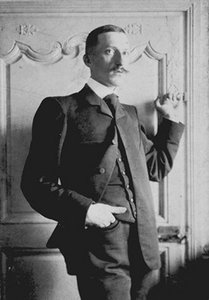
1880–1954, Francúzsko
André Derain
Raný život, rodina a vzdelanie V roku 1880 sa André Derain narodil v Chatou, v dedine nestledej v regióne Yvelines vo Francúzsku. Jeho rané roky formovali tiché krajiny Île-de-France, kde v ňom začala zapúšczať koren prirodzená curiosita pre jeho okolie. Už v roku 1895 sa začal učiť sám, snažiac sa pochopiť vizuálny svet vlastnými očami namiesto formálneho výučenia. Toto obdobie samostatného hľadania mu umožnilo vyvinúť si osobitý spôsob vnímania skôr, než mu prísne akadémické pravidlá mohli narušiť jeho slobodu tvorby.
Aj od André Derain
 bathers1907
 London Bridge1906
 Charing Cross from sw1906
 Landscape at L'Estaque1906
Eseje k dielu Cassis
 Fauvism and Cubism: Distinguishing Color Revolution from Spatial AnalysisMaster the core differences between Fauvism and Cubism through expert analysis. Discover how color and space redefined modern art today.
 Early Netherlandish Painting vs. Italian Renaissance: A Comparative StudyMaster the differences between Netherlandish detail and Renaissance perspective. Explore this expert comparative study now.
 Virgin Islands artworks of the 1870s1870s masterpieces from the US Virgin Islands include works by Camille Pissarro, Paul Gauguin, and Paul Cézanne. See the full collection on…