
 Náhľad
 Odoslať
 Zdieľať
 Podrobnosti o dielo

 Stiahnuť
 Podobné diela
 RTG skúška
 Prezentácia
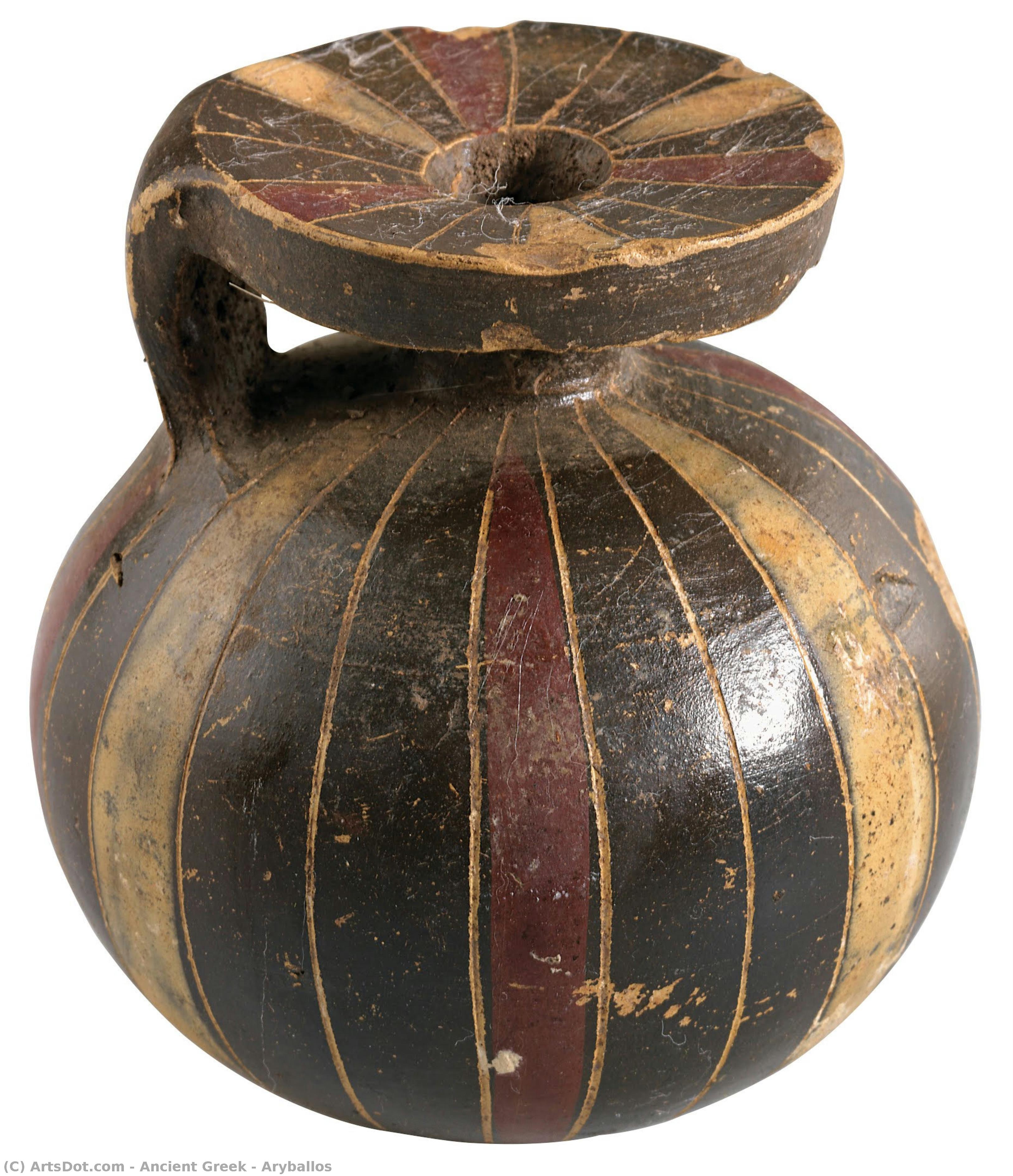
Aryballos


 Zobraziť viac
Kúpte si digitálnu snímku vo vysokom rozlíšení s vylepšenými detailmi, ktorá je oveľa kvalitnejšia než online náhľad.
Každý súbor starostlivo pripravujú naši interní špecialisti pomocou pokročilých nástrojov a odborného manuálneho retušovania. Zabezpečujeme, aby každý obrázok disponoval výnimočnou čistotou, presnou farebnou vernosťou a jemnými detailmi.
Konečný súbor vám bude doručený e-mailom do 72 hodín, optimalizovaný pre okamžité použitie v profesionálnom, redakčnom aj tlačovom prostredí. Ide o rovnakú kvalitu, ktorej dôverajú špičkové dizajnérske štúdiá, vydavateľstvá a galérie.
Digitálny obraz
Stiahnite si vysokorozlíšený súbor na osobné zobrazovanie, tlačenie a kreatívne projekty. ( Kúpiť tlač Kúpiť ručne maľovaný obraz)
Súčasťou každej objednávky digitálneho obrazu
Expetórne digitálne doručenie, garantované
Keď si vyberiete OriginalUniqueArt.com, nedostávate len obrázok – získate profesionálne upravené digitálne umenie, vytvorené s precíznosťou a so zárukou vašej maximálnej spokojnosti. Tu je všetko, čo je súčasťou vašej objednávky automaticky:

Rýchle doručenie e-mailom
Vaša vysokorozlíšená digitálna súprava obrázkov vám bude zaslaná e-mailom do 72 hodín od objednávky – pripravená na okamžité použitie.

Digitálny súbor s vylepšením AI
Vaše dielo je profesionálne optimalizované pomocou pokročilých nástrojov umelej inteligencie a manuálnej editácie, čo zaručuje maximálnu úroveň detailov, čistotu a presnosť farieb.

Bezplatné celoživotné opätovné doručenie
Náhodou ste zmazali alebo ste stratili svoj súbor? Nebavžte sa – pošleme vám ho kedykoľvek znova, úplne bez poplatkov.

Bez poplatkov za dovoz – navždy
Užite si svoje umelodelo okamžite bez colných poplatkov, daní alebo nákladov na dopravu – digitálne stiahnutia sú vždy oslobodené od dane.

Garantovaná presnosť farieb
Pomocou profesionálnych nástrojov a farebného manažmentu zabezpečujeme, aby vaša digitálna fotografia čo najpresnejšie odrážala pôvodné farby.

60-dňová záruka spokojnosti
Ak nebudete spokojní so svojou digitálnou fotografiou, upravíme ju alebo vám vrátime 100% v priebehu 60 dní – bez zbytočných otázok.

100% Záruka vrátenia peňazí
Nie ste spokojní? Získajte plnú náhradu peňazí do 60 dní od prijatia vášho digitálneho súboru – bez zbytočných otázok.

Zľavy pri veľkom odbere
Kúpte si 3 obrazy, ušetrite 10% - Kúpte si 5, ušetrite 15% - Kúpte si 10+, ušetrite 20%. Ideálne pre kreatívne projekty, galérie a agentúry.
Životopis umelca
Ancient Greek Art: A Legacy of Beauty and Idealism
The art of ancient Greece, spanning roughly from the Mycenaean period (c. 1600 BC) through the Hellenistic era (c. 30 BC), represents a cornerstone of Western civilization’s artistic heritage. More than simply beautiful objects, these creations—sculptures, architecture, pottery, and more—offer profound insights into Greek society, religion, philosophy, and their evolving understanding of the human form and the world around them. From the monumental temples to the intimate terracotta figures, ancient Greek art embodies a pursuit of ideal beauty, rational order, and a deep connection with the divine.
The earliest forms of Greek art, particularly those from the Mycenaean civilization (c. 1600-1100 BC), were characterized by monumental architecture—massive stone structures like citadels and tombs—and elaborate pottery decorated with geometric patterns and scenes from mythology. These early works demonstrate a sophisticated understanding of craftsmanship and a reverence for power and ritual. However, it was during the Archaic period (c. 800-500 BC) that Greek art began to truly flourish, influenced by Near Eastern cultures through trade and exchange. The introduction of the Doric and Ionic orders of architecture—distinctive styles defined by their column shapes—marked a significant shift towards standardized forms and proportions.
- The Classical Period (c. 500-323 BC): This era is widely considered the golden age of Greek art, marked by unparalleled artistic achievement. Sculpture reached its zenith with artists like Phidias, Myron, Polyclitus, and Praxiteles, who developed techniques for capturing movement, emotion, and anatomical accuracy. The Parthenon in Athens, a temple dedicated to Athena, exemplifies the Classical ideals of harmony, balance, and proportion.
- Key Sculptural Techniques: Greek sculptors mastered several crucial techniques. Contrapposto—a pose where the weight is shifted onto one leg, creating an illusion of naturalistic movement—became a hallmark of their work. They also employed meticulous study of anatomy, often dissecting human bodies to understand musculature and skeletal structure.
- Pottery: Greek pottery continued to evolve during this period, with red-figure painting becoming increasingly popular. This technique allowed artists to depict intricate scenes from mythology and daily life with remarkable detail.
The Rise of Philosophy and its Influence on Art
Ancient Greek philosophy profoundly shaped the artistic sensibilities of the Classical period. Philosophers like Pythagoras, Plato, and Aristotle emphasized reason, order, and harmony—concepts that directly informed the principles guiding Greek art. Plato, in particular, believed that beauty was a reflection of underlying mathematical truths, arguing that all beautiful things possessed an ideal form. This philosophical perspective led artists to strive for perfection and symmetry in their creations, seeking to represent not just what they saw but also what they *knew* to be true about the world.
The concept of *arete*, meaning “excellence” or “virtue,” was central to Greek thought. Artists aimed to create works that embodied *arete*, striving for technical mastery and expressing noble ideals. This emphasis on virtue extended beyond aesthetics, influencing ethical considerations in art—for example, the depiction of heroes as models of moral behavior.
Major Figures and Their Contributions
- Phidias: Considered the greatest sculptor of the Classical period, Phidias oversaw the sculptural program for the Parthenon and created numerous statues of gods and goddesses, including the colossal statue of Athena Parthenos. His work is renowned for its realism, dynamism, and emotional depth.
- Myron: Known for his dynamic sculptures depicting athletes in motion, Myron’s *Discobolus* (Discus Thrower) exemplifies the Classical ideal of human perfection and athletic prowess.
- Polyclitus: A sculptor and philosopher, Polyclitus developed the concept of “canon”—a mathematical formula for achieving perfect proportions in the human form. His sculpture *Doryphoros* (Spear-Bearer), a copy of which is now housed in the Louvre, became a standard model for ideal beauty.
- Praxiteles: Praxiteles was known for his graceful and sensual sculptures, often depicting mythological figures in intimate poses. His *Aphrodite of Knidos* is celebrated for its delicate beauty and subtle eroticism.
The Hellenistic Period: Expansion and Diversification
Following the death of Alexander the Great in 323 BC, Greece entered the Hellenistic period—a time of cultural diffusion and artistic experimentation. The Greek language and culture spread throughout the Eastern Mediterranean and beyond, resulting in a synthesis of Greek traditions with those of Egypt, Persia, and other regions. This led to a diversification of artistic styles and themes.
- Increased Realism: Hellenistic sculpture moved away from the idealized forms of the Classical period, embracing greater realism and emotional intensity. Artists depicted figures in more dramatic poses and with heightened expressions of emotion.
- New Subjects: Portraiture became increasingly popular during the Hellenistic era, reflecting a growing interest in individual likenesses. Scenes from everyday life—such as banquets, festivals, and athletic competitions—were also frequently depicted.
- Regional Variations: Artistic styles varied across different regions of the Hellenistic world, influenced by local traditions and cultural influences. For example, Egyptian-influenced sculpture became prominent in Alexandria.
Historical Significance and Legacy
The art of ancient Greece has had an enduring influence on Western culture. Its emphasis on humanism, rationalism, and beauty continues to inspire artists and thinkers today. Greek architectural principles—such as the use of columns, arches, and domes—have been adopted throughout history, shaping the design of buildings around the world. Furthermore, Greek mythology and philosophical ideas have permeated literature, art, and religion, forming a fundamental part of Western intellectual tradition.
The study of ancient Greek art provides valuable insights into the values, beliefs, and aspirations of one of the most influential civilizations in history. It stands as a testament to the power of human creativity and the enduring legacy of classical ideals.

ancient greek
Greece
Základné informácie
- Artistic Movement Or Style: Classical Greece
- Artists Or Movements Influenced By This Artist:
- Roman art
- Western culture
- Artists Who Influenced This Artist:
- Homer
- Hesiod
- Full Name: Ancient Greek
- Nationality: Greek
- Notable Artworks:
- Parthenon
- Phidias' sculptures
- Place Of Birth: Greece

