
 Náhľad
 Odoslať
 Zdieľať
 Podrobnosti o dielo

 Stiahnuť
 Podobné diela
 RTG skúška
 Prezentácia
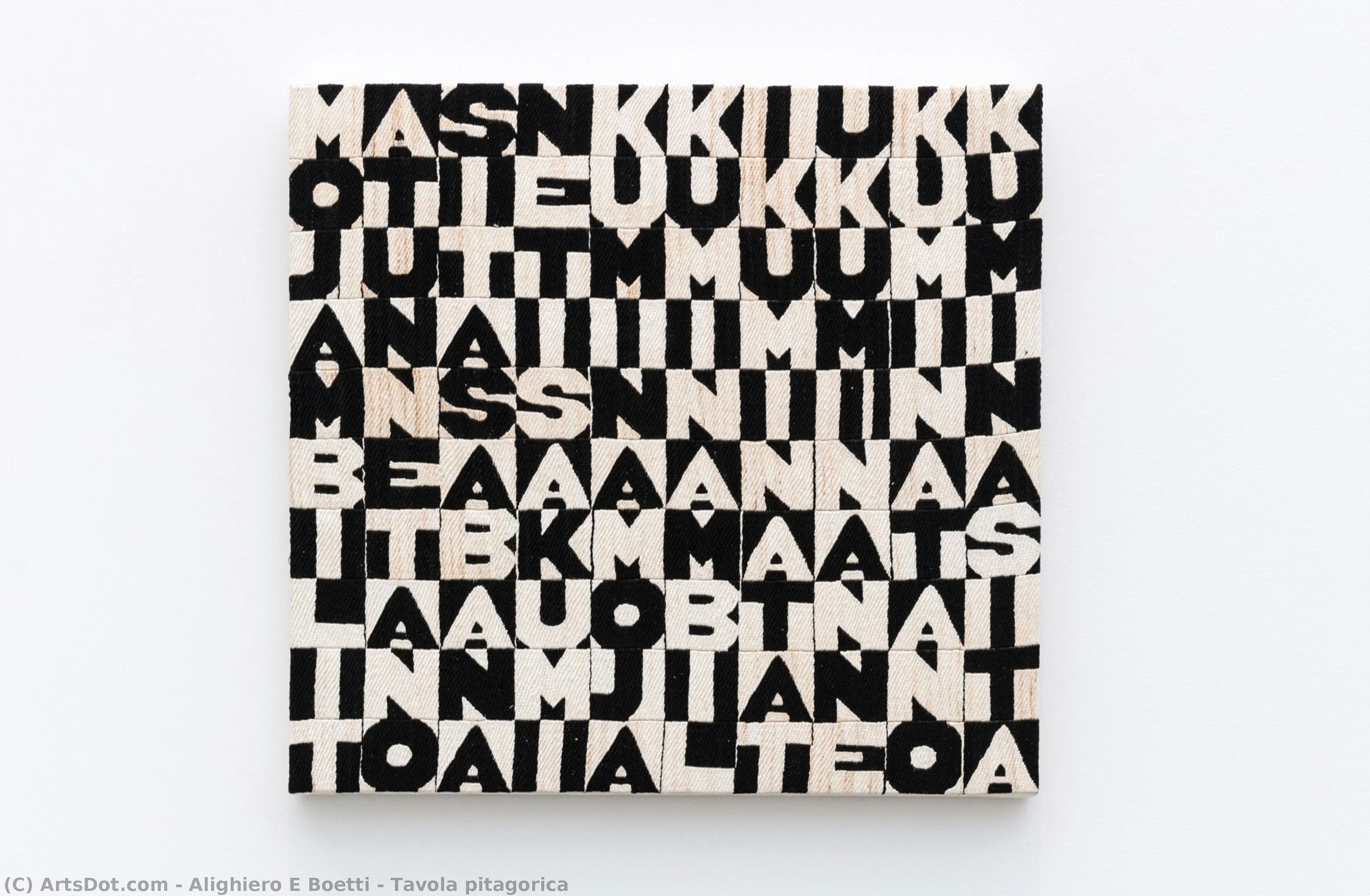
Tavola pitagorica


 Zobraziť viac
Giclée / Umenotlač
Giclée tlač alebo plátno múzeálnej kvality s rýchlou výrobou a flexibilnými možnosťami povrchovej úpravy. ( Kúpiť ručne maľovaný obraz Kúpiť obrázok)




































Vyberte si z našich preddefinovaných rozmerov, ktoré zodpovedajú pôvodným pomeroḿ diela.

Môžete zadať vlastné rozmery, aby sa reprodukcia prispôsobila konkrétnemu rámu alebo priestoru. Ak zvolená veľkosť nebude zodpovedať proporciám originálu, dielo buď orežeme, alebo obraz rozšírime pomocou zrkadlenia či farebného doplnenia okrajov. Pred začatím výroby vám pošleme digitálnu ukážku na schválenie.
Máte na vedomí, že náhľad na obrazovke neodzrkadľuje skutočné orezanie alebo rozšírenie. Len digitálna ukážka presne zobrazí finálnu kompozíciu.
Hoci sú k dispozícii vlastné rozmery, pre zachovanie pôvodných proporcií odporúčame vybrať si rozmer z vopred definovaného zoznamu.
Celosvetová doprava () do 2 týždňov namiesto štandardných 4/5 týždňov. (22 august)

Bezplatná expresná doprava po celom svete

Prémiové lnianske plátno

Kompletné poistenie prepravy

Záruka vrátenia colného poplatku

Záruka presného farebného zhodnutia

60-dňá politika vrátenia (iba pri defektoch)

100% záruka vrátenia peňazí

Výhodná množstevná zľava
 Možnosť skla je dostupná len pri rozmeroch pod 110 cm

Tavola pitagorica
Giclée / Umenotlač
Veľkosť reprodukcie
-


Celková cena za vybrané možnosti
$ 80
Popis predmetu
Biografia umelca
Alighiero e Boetti: Life and Art
Early Life and Influences
Alighiero Fabrizio Boetti, known as Alighiero e Boetti, was born in Turin, Italy, in 1940. His parents were Corrado Boetti, a lawyer, and Adelina Marchisio, a violinist. He initially pursued studies at the business school of the University of Turin but soon abandoned them to dedicate himself to art.- Early theoretical interests included philosophy, alchemy, and esoterics.
- He admired authors like Hermann Hesse and painter Paul Klee.
- Boetti also showed a continuing interest in mathematics and music throughout his life.
Artistic Development & Arte Povera
In 1962, Boetti moved to Paris where he met art critic Annemarie Sauzeau, whom he married in 1964 and with whom he had two children. Working in Turin during the early 1960s alongside artists like Luciano Fabro, Mario Merz, Giulio Paolini, and Michelangelo Pistoletto, Boetti became a key figure in the Arte Povera movement.- Arte Povera emphasized using humble materials and techniques to challenge traditional art values.
- Boetti experimented with unconventional materials like plaster, masonite, plexiglass, and light fixtures.
- His first solo show was in 1967 at the Turin gallery of Christian Stein.
Key Themes & Artistic Strategies
Boetti’s work is characterized by several recurring themes:- Twinning: This concept led him to add ‘e’ (and) between his names, exploring duality and self-identity.
- Chance & Order: He often incorporated elements of chance into his work alongside structured systems like grids and maps.
- Non-Western Cultures: Extensive travels to Guatemala, Ethiopia, Sudan, Afghanistan, and Pakistan deeply influenced his art.
Major Works & Achievements
- Mappa (1971-1994): A series of embroidered maps of the world, created with the help of Afghan artisans.
- Lampada annuale (Yearly Lamp) (1966): A light bulb in a mirrored box that randomly illuminates for eleven seconds each year.
- Tavola pitagorica (Pythagorean Table): Explores mathematical permutations and visual patterns.
- Lavori postali (Postal Works) (1969-70): Series of letters sent to prominent figures in the art world, often returned undelivered due to imaginary addresses.
Historical Significance & Legacy
Alighiero e Boetti’s work challenged conventional notions of authorship and artistic control. His exploration of chance, order, and cultural exchange continues to resonate with contemporary artists. He died in Rome in 1994 at the age of 53 from a brain tumor. Boetti's legacy lies in his innovative approach to conceptual art and his ability to blend intellectual rigor with aesthetic beauty. His work remains highly influential, exhibited globally, and continues to inspire new generations of artists and thinkers.
alighiero e boetti
1940 - 1994
Základné informácie
- Birth_Date: 1940
- Birth_Place: Turin, Italy
- Death_Date: 1994
- Influenced_By:
- Wols
- Lucio Fontana
- Hermann Hesse
- Paul Klee
- Movement: Arte Povera, Conceptual Art
- Name: Alighiero e Boetti
- Nationality: Italian
- Notable_Works: Mappa, Tavola pitagorica, Lampada annuale

