
 Náhľad
 Odoslať
 Zdieľať
 Podrobnosti o dielo

 Stiahnuť
 Podobné diela
 RTG skúška
 Prezentácia
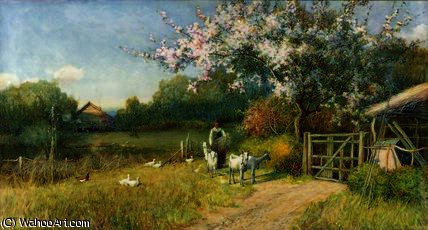
Springtime
 Zobraziť viac
Giclée / Umenotlač
Giclée tlač alebo plátno múzeálnej kvality s rýchlou výrobou a flexibilnými možnosťami povrchovej úpravy. ( Kúpiť ručne maľovaný obraz Kúpiť obrázok)




































Vyberte si z našich preddefinovaných rozmerov, ktoré zodpovedajú pôvodným pomeroḿ diela.

Môžete zadať vlastné rozmery, aby sa reprodukcia prispôsobila konkrétnemu rámu alebo priestoru. Ak zvolená veľkosť nebude zodpovedať proporciám originálu, dielo buď orežeme, alebo obraz rozšírime pomocou zrkadlenia či farebného doplnenia okrajov. Pred začatím výroby vám pošleme digitálnu ukážku na schválenie.
Máte na vedomí, že náhľad na obrazovke neodzrkadľuje skutočné orezanie alebo rozšírenie. Len digitálna ukážka presne zobrazí finálnu kompozíciu.
Hoci sú k dispozícii vlastné rozmery, pre zachovanie pôvodných proporcií odporúčame vybrať si rozmer z vopred definovaného zoznamu.
Celosvetová doprava () do 2 týždňov namiesto štandardných 4/5 týždňov. (23 august)

Bezplatná expresná doprava po celom svete

Prémiové lnianske plátno

Kompletné poistenie prepravy

Záruka vrátenia colného poplatku

Záruka presného farebného zhodnutia

60-dňá politika vrátenia (iba pri defektoch)

100% záruka vrátenia peňazí

Výhodná množstevná zľava
 Možnosť skla je dostupná len pri rozmeroch pod 110 cm

Springtime
Giclée / Umenotlač
Veľkosť reprodukcie
-


Celková cena za vybrané možnosti
$ 80
Biografia umelca
A Pioneer of Atmospheric Landscapes: The Life and Art of Sir Alfred Edward East
Sir Alfred Edward East (15 December 1844 – 28 September 1913) emerged from the vibrant artistic milieu of Victorian Britain, a period deeply enamored with both meticulous realism and burgeoning romantic ideals. His journey began in Kettering, Northamptonshire, where he received foundational training at the Glasgow School of Art. While initially steeped in the traditions of British landscape—a genre already rich with masters like Constable and Turner—East’s artistic trajectory took a decisive turn towards France and the Barbizon school. This wasn't merely an adoption of style; it was a philosophical shift, a yearning to capture not just *what* was seen, but *how* it felt to be immersed in nature. The Barbizon painters, with their emphasis on direct observation and unvarnished depictions of rural life, resonated deeply with East’s own developing sensibilities. They eschewed the grand historical narratives favored by the academies, instead focusing on the poetry of everyday scenes, a focus that would become central to his own work.Early Career and the Influence of Japan
East's early life saw him initially working in business with his brother, but this path proved unfulfilling. His true calling lay in painting, and he diligently honed his skills through study and practice. A pivotal moment arrived in 1888 when Marcus Huish, the managing director of the Fine Art Society, commissioned East to travel to Japan for six months. This expedition proved transformative. Japan, with its unique light, vibrant colors, and distinct cultural aesthetic, captivated East’s imagination. He wasn't simply documenting exotic locales; he was absorbing a new way of seeing—a sensitivity to atmosphere, composition, and the subtle interplay of nature and human presence. The exhibition of 104 paintings from this tour in 1890 at the Fine Art Society was a spectacular success, establishing East as a leading landscape painter and introducing Japanese motifs to a British audience hungry for new artistic experiences. He captured scenes that were both familiar – rural landscapes, temples – and strikingly different, imbued with a delicate lyricism that set his work apart.Embracing *En Plein Air* and the Barbizon Legacy
The mid-19th century witnessed a revolution in painting practice: the rise of *en plein air*, or outdoor painting. Before this, artists largely confined their work to studios, relying on sketches and memory to recreate scenes. The advent of portable paint tubes—a relatively recent invention—and the growing desire for authenticity fueled this movement. Alfred East was an early and enthusiastic adopter of this technique. He understood that capturing the fleeting nuances of light and atmosphere required being *present* in the landscape, directly confronting its ever-changing beauty. This wasn’t simply about technical accuracy; it was about conveying a sense of immediacy, of experiencing the scene alongside the viewer. His commitment to painting outdoors distinguished him from many contemporaries and laid the groundwork for his distinctive style. He didn't just paint landscapes; he painted the *experience* of being within them. His technique involved building up layers of color, often using broken brushstrokes to suggest texture and movement, creating a shimmering effect that captured the essence of light on water, foliage, or distant mountains.Recognition and Later Achievements
East’s dedication to his craft and his unique artistic vision earned him increasing recognition throughout his career. He was elected an Associate of the Royal Academy in 1899, having been a regular exhibitor since 1883, and achieved full membership in 1913. In 1906, he became President of the Royal Society of British Artists, a position he held until his death. He published *The Art of Landscape Painting in Oil Colour* that same year, sharing his techniques and philosophy with aspiring artists. A testament to his impact on his hometown was the opening of the Alfred East Art Gallery in Kettering in 1913—a purpose-built space designed by John Alfred Gotch to showcase his work alongside that of W.B. Gash. He received a knighthood in 1910, solidifying his status as one of Britain’s most esteemed landscape painters.Historical Significance and Enduring Appeal
Sir Alfred Edward East occupies a significant place in the history of British art. He bridged the gap between the traditional landscape painting of earlier generations and the more modern approaches that would emerge in the 20th century. His embrace of *en plein air* painting, his sensitivity to atmosphere, and his ability to evoke emotion through color and light paved the way for future artists. His paintings offer a glimpse into a bygone era—a time when travel was still an adventure and nature held a profound sense of mystery and wonder. East’s work continues to resonate with audiences today, offering a timeless beauty that transcends stylistic trends. His landscapes are not merely representations of places; they are invitations to experience the world anew, to appreciate the subtle nuances of light, color, and atmosphere, and to connect with the enduring power of nature. He remains a celebrated figure whose legacy continues to inspire artists and art lovers alike.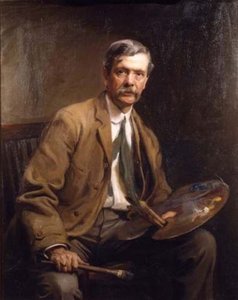
alfred edward east
1844 - 1913 , United Kingdom
Základné informácie
- Artistic Movement Or Style: Barbizon school, Romanticism
- Artists Who Influenced This Artist: ['Barbizon painters']
- Date Of Birth: December 15, 1844
- Date Of Death: September 28, 1913
- Full Name: Sir Alfred Edward East
- Nationality: English
- Notable Artworks:
- Early Dawn on Monte Mottarone
- The Golden Valley
- Temple Kiyomizu-Dera Entrance
- Place Of Birth: Kettering, UK

