

 Zobraziť v interiéri
 Odoslať
 Zdieľať
 Podrobnosti
 Príručka

 Stiahnuť
 Podobné položky
 RTG skúška
 Prehliadanie diapo\]
 Štatistiky
Biela
 Akryl na plátne
- WallArt
- Abstract Expressionism
 Galleria Civica di Arte Moderna e Contemporanea Torino
 Prečítať si viac
Umelecké dielo zobrazené na tejto stránke je chránené autorským zákonom, čo znamená, že nemôžeme legálne vytvárať ani predávať jeho identickú reprodukciu. Táto ochrana je vymáhaná na základe medzinárodných dohôd, ako napríklad Bernská konvencia a národnými zákonmi, vrátane tých, ktoré sú stanovené v Autorské právo USA – Title 17. Všetky práva vyhradené.
Táto metóda plne dodržiava autorské práva, pretože nezahŕňa kopírovanie ani duplikovanie chráneného diela. Ide skôr o kreatívnu reinterpretáciu – nový obraz, ktorý je ovplybnený originálom, no nie je s ním identický.
Giclée / Umenotlač
Giclée tlač alebo plátno múzeálnej kvality s rýchlou výrobou a rôznymi možnosťami povrchovej úpravy. ( Objednať ručne maľovanú reprodukciu Prepnúť na digitálnu verziu obrazu)




P118B €10

P118H €10

P118W €10

P438Z €10

P508JH €12

P508YH €12

P805H €10

P805Z €10

P919BZ €10

P919G €10

P919XJ €10

P959ZH €10

P968JZ €12

W106C €8

W218G €10

W218JH €8

W218Y €10

W307PJ €10

W316G €10

W316PJ €8

W316Y €10

W398PJ €8

W4111J €10

W500HY €15

W500JH €15

W692G €12

W849H €8

W940BG €15

W953PJ €8




Vyberte si z našich preddefinovaných rozmerov, ktoré zodpovedajú pôvodným pomeroḿ diela.

Zadajte šírku a výšku, ktoré potrebujete, aby sa reprodukcia hodila k vášmu rámu alebo stene. Print možno len orezávať, nikdy však nemennú veľkosť zvětšiť oproti pôvodnému obrázku, preto pri inom formáte stráca časť obrazu. Pred samotným vytlačiacím procesom vám pošleme digitálny náhľad na schválenie. Obrázok zobrazený na tejto stránke nezobrazuje reálny rez — len digitálny náhľad ukazuje presný výsledok.
Celosvetová doprava () do 2 týždňov namiesto štandardných 4 až 5 týždňov. (25 október)

Bezplatná expresná doprava po celom svete

Vysokokvalitné lnianske plátno

Úplné poistenie prepravy

Záruka vrátenia colného poplatku

Záruka presného farebného zhodnutia

100-dená politika vrátenia tovaru (iba pri vadách)

100% záruka vrátenia peňazí

Ponuka množstevnej zľavy
 Možnosť skla je dostupná len pri rozmeroch pod 110 cm

Biela
Giclée / Umenotlač
Veľkosť reprodukcie
-


Celková cena
€ 70
Alberto Burriho: Biel – Významný Čierny Základ Abstraktnej Výtvarnosti
Alberto Burri, narodený v Umbrii v roku 1915, predstavuje monumentálnu figúru talianskej postmoderny. Jeho život bol dramaticky ovplyvnený okolnosťami – od prvých sklenností umeleckého vyjadrenia vzrušujúceho pozostatky Renesančných krajín až po hlboký dopad vojenských skúseností, ktoré nakoniec znovu definovali jeho tvorbu. Počas vojny pôsobil ako bojový lekár a zažil zajatie v Texase, obdobie väznenia, ktoré paradoxne poskytlo priestor a impulzívnu silu pre jeho umelecké probudenie. Tragická strata svojho brata počas konfliktu ho následne zasiahla, čo odrazilo svoju budúcu tvorbu podmienkou závažného úvahového stavu. Už v týchto tvrdých väzeniach Burri začal vážne kresliť sám sebou, bez odborného vedenia a poháňaný intenzívnym impulzom. Jeho umelecký rozvoj bol teda výsledkom kombinácie okolností, ktoré ho prinútili prekonať svoje hranice a vyjadriť svoju osobnú skúsenosť svetom.- Významné Čierne Základy: Burriho tvorba sa vyznačuje výrazným využitím čiernych farieb a materiálov, čo odkazuje na jeho záujem o hmotu ako základný prvok umeleckého vyjadrenia. Tento estetický smer bol ovplyvnený filozofiou Zen Buddhism a jeho skúsenosťami s meditáciou a samoterapiou.
- Použitie Materiálu: Burriho diel sa vyznačuje použitím rôznych materiálov – cementu, tkanín, papieru, olejov – ktoré sú často kombinované v komplexných kompozíciách. Tento postup odráža jeho filozofiu „materijalizmu“, ktorý považoval hmotu za hlavnú úlohu umeleckého procesu.
- Inšpirácia Gibellinou: Jeho tvorba bola výrazne ovplyvnená projektom obnovy mesta Gibellina po zemolemovaní Sicíliaňami počas vojny, kde Burri vytvoril monumentálnu keramickú kompozíciu „Cretto di Gibellina“, ktorá vyjadruje bolest a odpor voči násiliu.
- Technika Koláže: Burriho „Biel“ využíva kolážnu techniku, ktorá kombinuje olejové farby, enamel a papierové výrezky. Tento postup odkazuje na prvé pokusy avantgardných umelcov v polovici القرن XX. století a jeho záujem o nové materiály ako základný prvok umeleckého procesu.
- Symbolizmus: Biel môže byť interpretovaná ako reprezentácia pokojného stavu mysle, vyjadrenia samoterapie a odporu voči násiliu – hodnoty, ktoré boli zásadné pre filozofiu Zen Buddhism a jeho skúsenosti s meditáciou.
Otázky a odpovede
Hacia ktorej farbe sa naklonilo dielo "Biela"?
Dominantným odtieňom diela „Biela“ od Alberto Burri je Spektrum od zelenej po fialovú. Tento odtieň predstavuje základný tón palety.
Čo zobrazuje „Biela“ od Alberto Burri?
Predmetmi diela „Biela“ sú texture, collage, abstraction, material, roman influence, silence, memory.
Aký pocit vyvolávajú farby diela „Biela“ od Alberto Burri?
„Biela“ od Alberto Burri spája paletu v odtieňoch Neutrálne tóny s Kontemplatívny tónom.
Biografia umelca
A Life Forged in Matter: The World of Alberto Burri
Alberto Burri, born in the Umbrian town of Città di Castello in 1915, stands as a monumental figure in post-war Italian art. His journey was one dramatically shaped by circumstance – from early inclinations towards artistic expression nurtured amidst Renaissance landscapes to the profound impact of wartime experiences that ultimately redefined his creative path. Initially pursuing medicine at the University of Perugia, graduating in 1940, Burri’s life took an unforeseen turn with the outbreak of World War II. Serving as a combat medic, he endured capture as a prisoner of war in Texas, a period of confinement that paradoxically provided the space and impetus for his artistic awakening. The tragic loss of his brother during the conflict cast a long shadow, infusing his future work with an undercurrent of somber reflection. It was within the stark confines of the prison camp that Burri began to paint seriously, self-taught and driven by an urgent need for expression, laying the foundation for a career that would challenge conventional notions of painting and sculpture.From Figurative Beginnings to Material Innovation
Burri’s early artistic explorations, following his return to Italy, were rooted in figuration, but this phase proved fleeting. He quickly gravitated towards abstraction, driven by a desire to explore the inherent qualities of materials themselves. This marked the beginning of his signature style – a radical departure from traditional techniques and a pioneering embrace of unconventional substances. Between 1948 and 1950, he embarked on a period of intense experimentation, incorporating tar, sand, zinc, pumice, and aluminum dust into his compositions. The *Catrami* (Tars) series emerged during this time, utilizing tar not merely as a collage element but as an integral color within the painting itself, creating monochrome black surfaces imbued with rich textures and subtle variations. This was followed by the *Muffe* (Molds) series, where Burri allowed spontaneous material reactions to dictate the outcome, fostering a sense of organic growth and transformation on the canvas. He then moved onto *Gobbi* (Hunchbacks), pushing the boundaries between two-dimensionality and three-dimensionality by embedding tree branches behind the canvas, creating subtly distorted surfaces. Perhaps his most visceral series, *Combustioni* (Combustions), saw Burri wielding a torch to burn wood veneers, deliberately charring and fracturing the material to create powerfully evocative textures and patterns – a testament to destruction and rebirth.Influences and Artistic Dialogue
Burri’s artistic vision was not formed in isolation. He engaged in a vibrant dialogue with contemporary movements and artists who shared his interest in materiality and unconventional techniques. The influence of Jean Dubuffet's *Art Brut* is evident in Burri’s embrace of raw, unrefined materials and textures, rejecting the polished aesthetic of traditional art. Connections to Lucio Fontana’s spatialism are also apparent, particularly in Burri’s exploration of surface and depth, and his willingness to disrupt the conventional picture plane. Furthermore, Burri fostered a creative exchange with American artists like Robert Rauschenberg and Cy Twombly, contributing to the revival of post-war assembly art and influencing their own explorations of materiality and process. These interactions were crucial in establishing Burri’s international reputation and solidifying his position as a leading figure in the avant-garde. He wasn't simply reacting *against* tradition; he was forging a new path, one that acknowledged the inherent beauty and expressive potential of the materials themselves.Legacy and Lasting Significance
Alberto Burri’s significance lies not only in his innovative use of materials but also in his rejection of traditional artistic conventions. He is widely considered a key figure in *Arte Povera*, an Italian art movement that emphasized simplicity, the use of everyday materials, and a critique of consumer culture. His work profoundly influenced subsequent generations of artists who explored materiality, process, and the relationship between art and life. Beyond his individual series, Burri’s monumental project, the *Grande Cretto* in Gibellina, Sicily – a vast landscape artwork built on the ruins of a town destroyed by an earthquake – stands as a powerful testament to his ambition and vision. This sprawling intervention transforms devastation into a poignant memorial, embodying Burri's belief in art’s capacity for both destruction and regeneration. Grande Cretto is not merely a sculpture; it is a landscape sculpted *by* trauma and transformed *through* artistic intervention. Alberto Burri passed away in 1995, leaving behind a legacy that continues to inspire and challenge artists and viewers alike – a testament to the enduring power of art forged from matter itself.
Alberto Burri
1915 - 1995 , Italy
Rýchle fakty
- Full Name: Alberto Burri
- Nationality: Italian
- Date Of Birth: 1915
- Date Of Death: 1995
- Place Of Birth: Castello, Italy
- Notable Artworks:
- White
- Composition
- Untitled (872)
- Grande cretto
- Artistic Movement Or Style: Arte Povera, Matterism
- Artists Who Influenced This Artist:
- Jean Dubuffet
- Lucio Fontana
- Artists Or Movements Influenced By This Artist:
- Robert Rauschenberg
- Cy Twombly
- Arte Povera
Súvisiace články

Top 10 majstrovských diel abstraktného expresionizmu pre váš domov | OriginalUniqueArt.com
Ponorte sa do sveta abstraktného expresionizmu s Pollockom, Rothkom a ďalšími majstrami. Objavte príbehy za 10 ikonických diel, techniky a farby, ktoré definovali toto revolučné umenie. Kvalitné reprodukcie na OriginalUniqueArt.com.
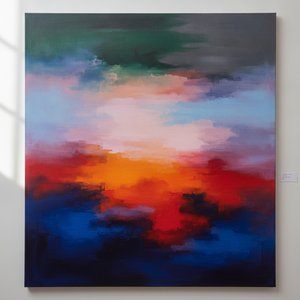
Color Field Painting: The Emotional Power of Pure Abstraction and Chromatic Depth
Explore the profound emotional depth of Color Field painting. Discover the history of mid-century abstraction, from Rothko to Newman, and learn how pure color transforms the viewer's experience through our expert art history guide.
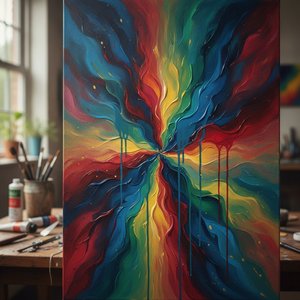
Lyrical Abstraction: The Emotional Power of Color and Form in Modern Art History
Explore the profound emotional depth of Lyrical Abstraction. Discover how masters like Raymond Parker used color and form to bridge Impressionism and Abstract Expressionism. Learn about this pivotal movement through our expert-led art history guide.

Top 10 majstrov geometrickej abstrakcie: Umění pre váš domov s OriginalUniqueArt.com
Ponorte sa do sveta geometrickej abstrakcie! Objavte 10 majstrovských diel od Mondriana, Kandinského a ďalších. História umenia, techniky a farebné kompozície na OriginalUniqueArt.com – reprodukcie obrazov pre váš domov.
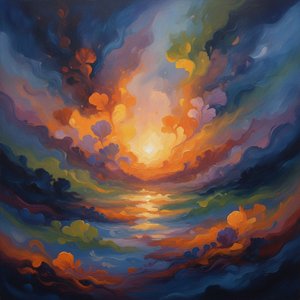
The Soul of Color: A Journey into the Emotional Resonance of Lyrical Abstraction
Embark on a cultural journey through Lyrical Abstraction. Explore how masters like Kandinsky used color and motion to translate emotion into visual poetry. Discover the profound beauty of abstract expressionism and learn to curate emotional resonance in your own art collection.
