
 Náhľad
 Odoslať
 Zdieľať
 Podrobnosti o dielo

 Stiahnuť
 Podobné diela
 RTG skúška
 Prezentácia
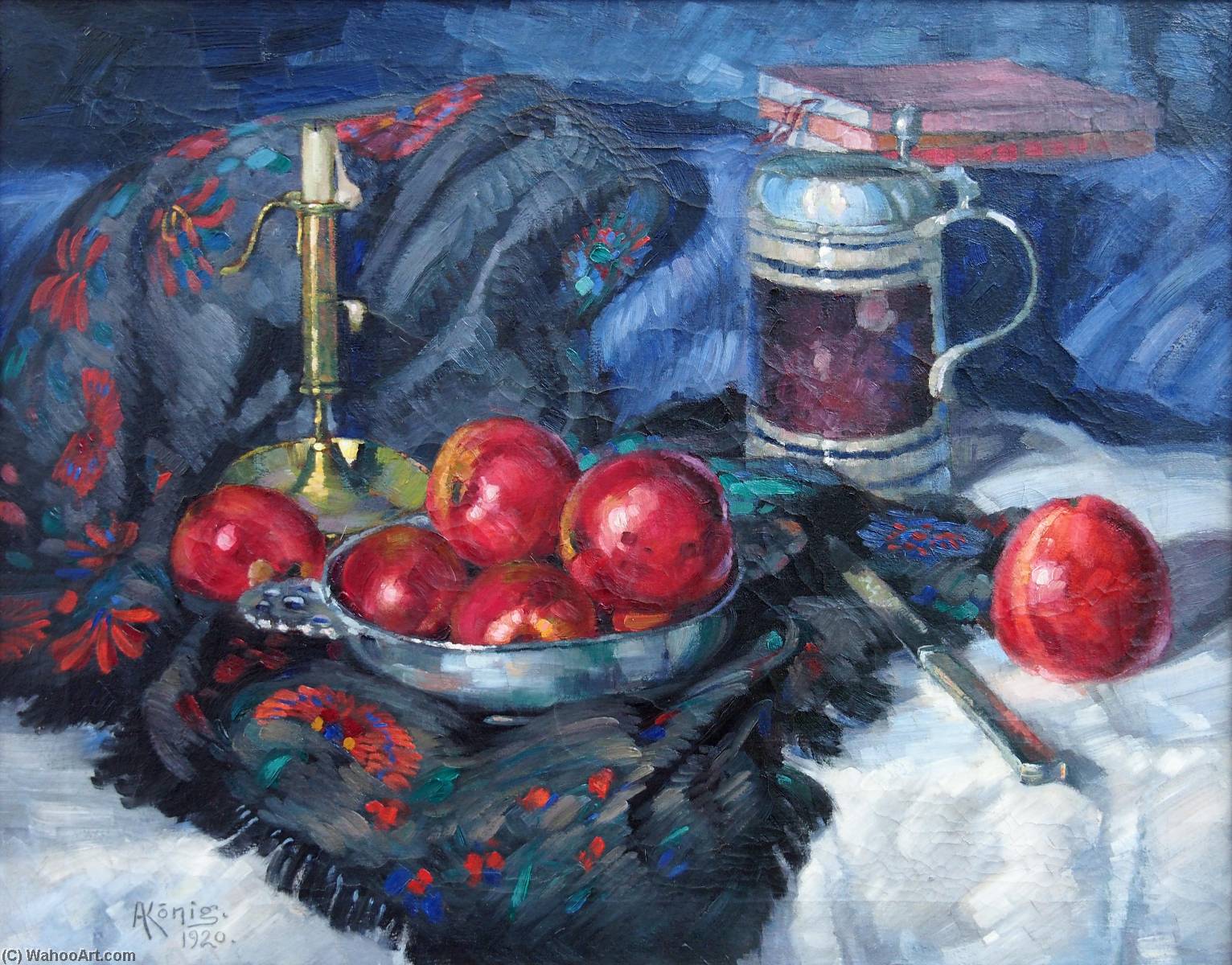
Deutsch Stillleben mit Äpfeln

 Zobraziť viac
Ručne maľovaná olejová reprodukcia
Ručne maľovaný olej na plátne vo vašej zvolenej veľkosti a v ráme, vyrobený na mieru našimi umelcami. ( Kúpiť tlač Kúpiť obrázok)




































Vyberte si z našich preddefinovaných rozmerov, ktoré zodpovedajú pôvodným pomeroḿ diela.

Môžete zadať vlastné rozmery tak, aby sa hodili do konkrétneho rámu alebo priestoru. Ak sa váš zvolený rozmer nezhoduje s pôvodnými proporciami obrazu, dielo buď orezáme, alebo ho doplníme ručne maľovanými prvkami. Pred začiatkom výroby vám zašleme digitálny náhľad na schválenie.
Upozorňujeme, že ukážka na obrazovke neodráža skutočné orezanie alebo doplnenie. Skutočnú finálnu kompozíciu zobrazuje iba digitálny náhľad.
Hoci sú k dispozícii vlastné rozmery, odporúčame vybrať rozmer z preddefinovaného zoznamu, aby sme zachovali pôvodné proporcie.
Po odoslaní objednávky vám tím OriginalUniqueArt.com pošle e-mail s pokynmi a poskytne náhľad na návrh.
Celosvetová doprava () za 3 až 4 týždne namiesto štandardných 5 týždňov. (20 august). Bez kompromisov v kvalite.

Bezplatná expresná doprava po celom svete

Prémiové lnianske plátno

Kompletné poistenie prepravy

Záruka vrátenia colného poplatku

Záruka presného farebného zhodnutia

60-dňá politika vrátenia (iba pri defektoch)

100% záruka vrátenia peňazí

Výhodná množstevná zľava
 Možnosť skla je dostupná len pri rozmeroch pod 110 cm

Deutsch Stillleben mit Äpfeln
Technika reprodukcie
Veľkosť reprodukcie
-


Celková cena za vybrané možnosti
$ 300
Biografia umelca
Albert Koenig: A Harmonious Vision of the Harz
Born in Esheide, Germany, in 1881 and passing away in Unterlüß in 1944, Albert Koenig’s artistic journey is a compelling narrative of quiet observation, meticulous technique, and a profound connection to the natural world. Initially drawn to the precision of instrument making – he apprenticed under Jean-Baptiste Vuillaume, a renowned violin maker – Koenig’s true passion lay in capturing the subtle harmonies of light and color, particularly within the evocative landscapes of his native Harz Mountains.
Koenig's early artistic development was largely self-directed. He eschewed formal academic training, preferring to study through direct observation and experimentation. This approach fostered a unique style characterized by a remarkable sensitivity to texture and atmosphere. Unlike many of his contemporaries who embraced bold, expressive brushstrokes, Koenig favored a more restrained palette and a deliberate layering of paint – often applied with a dry brush technique – to create an illusion of depth and luminosity. His works aren’t flamboyant displays of color; instead, they are carefully constructed studies in light, shadow, and the delicate interplay between them.
The Landscape of the Harz
Koenig's most celebrated subjects were undoubtedly the dramatic vistas of the Harz Mountains. This rugged region, with its dense forests, rolling hills, and mist-shrouded peaks, provided an endless source of inspiration. He wasn’t simply depicting these landscapes; he was attempting to translate their essence onto canvas – capturing not just what he saw, but also the feeling of being immersed within them. His paintings are imbued with a sense of tranquility and solitude, inviting the viewer to share in his contemplative gaze.
Early works like “Harvest Landscape in the Foothills of the Harz Mountains” (1920) demonstrate this approach perfectly. The composition is dominated by muted blues and greens, suggesting the cool dampness of the forest floor and the distant haze of the mountains. The brushstrokes are subtle yet deliberate, creating a sense of texture that mimics the rough bark of trees and the undulating contours of the hills. Later pieces, such as “Deutsch Feuerlilien und Zitronen” (1911), showcase his mastery of still life, transforming humble subjects – lilies and lemons – into miniature worlds of intricate detail and luminous color.
Technique and Influences
Koenig’s technical skill was rooted in a deep understanding of acoustics. His background as an instrument maker instilled in him a keen awareness of tonal qualities and the way light interacts with surfaces. This knowledge informed his approach to painting, encouraging him to experiment with layering techniques and creating subtle variations in color and texture. He meticulously studied the effects of light on water, stone, and foliage, striving to replicate these phenomena on canvas.
While he largely worked independently, Koenig’s art reveals echoes of Impressionism and Post-Impressionism. The emphasis on capturing fleeting moments of light and atmosphere aligns with the principles of these movements, but his work possesses a distinct German sensibility – a quiet introspection and a reverence for the natural world that sets it apart from its French counterparts.
Legacy and Recognition
Despite his considerable talent, Albert Koenig remained largely unknown during his lifetime. His paintings were primarily exhibited in regional galleries and museums within Germany, and he never achieved widespread commercial success. However, in recent decades, there has been a growing appreciation for his work – particularly among collectors of German landscape art. Today, his paintings are held by prestigious institutions such as the Kunsthalle Hamburg, the Kestner Museum in Hanover, and the Bremen Art Museum.
Koenig’s legacy lies not only in his beautiful paintings but also in his unwavering dedication to his craft and his profound connection to the landscapes of his homeland. He represents a quiet voice within German art history – an artist who sought to capture the essence of beauty through careful observation, meticulous technique, and a deep appreciation for the harmonies of nature.

albert koenig
1881 - 1944
Základné informácie
- Artistic Movement Or Style: Landscape Painting, Still Life
- Artists Or Movements Influenced By This Artist: ['Post-Impressionism']
- Artists Who Influenced This Artist: ['Rudolph Koenig']
- Date Of Birth: 1881
- Date Of Death: 1944
- Full Name: Albert Koenig
- Nationality: German
- Notable Artworks:
- Deutsch Feuerlilien und Zitronen
- Harvest landscape...
- Deutsch Blume im Topf
- Place Of Birth: Eschede, Germany

