
 Náhľad v interiéri
 Odoslať ako digitálnu kartu
 Zdieľať
 Podrobnosti o dielo
 Príručka

 Stiahnuť obraz
 Podobné položky
 RTG skúška
 Prehliadanie diapozoje
 Otázky a odpovede
 Štatistiky
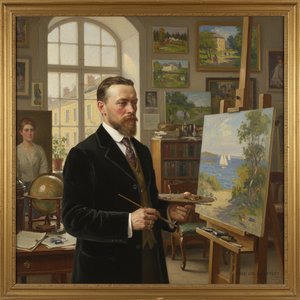
Louis Pasteur dans son laboratoire de l


 Zobraziť viac
Giclée / Umenotlač
Giclée tlač alebo plátno múzeálnej kvality s rýchlou výrobou a rôznymi možnosťami povrchovej úpravy. ( Kúpiť ručne maľovaný obraz Prepnúť na digitálny obraz)




P118B €10

P118H €10

P118W €10

P438Z €10

P508JH €12

P508YH €12

P805H €10

P805Z €10

P919BZ €10

P919G €10

P919XJ €10

P959ZH €10

P968JZ €12

W106C €8

W218G €10

W218JH €8

W218Y €10

W307PJ €10

W316G €10

W316PJ €8

W316Y €10

W398PJ €8

W4111J €10

W500HY €15

W500JH €15

W692G €12

W849H €8

W940BG €15

W953PJ €8




Vyberte si z našich preddefinovaných rozmerov, ktoré zodpovedajú pôvodným pomeroḿ diela.

Zadajte šírku a výšku, ktoré potrebujete, aby sa reprodukcia hodila k vášmu rámu alebo stene. Print možno len orezávať, nikdy však nemennú veľkosť zvětšiť oproti pôvodnému obrázku, preto pri inom formáte stráca časť obrazu. Pred samotným vytlačiacím procesom vám pošleme digitálny náhľad na schválenie. Obrázok zobrazený na tejto stránke nezobrazuje reálny rez — len digitálny náhľad ukazuje presný výsledok.
Celosvetová doprava () do 2 týždňov namiesto štandardných 4 až 5 týždňov. (6 november)

Bezplatná expresná doprava po celom svete

Vysokokvalitné lnianske plátno

Kompletné poistenie prepravy

Záruka vrátenia colného poplatku

Záruka presného farebného zhodnutia

100-dená politika vrátenia tovaru (iba pri vadách)

100% záruka vrátenia peňazí

Zľava pri väčšom množstve
 Možnosť skla je dostupná len pri rozmeroch pod 110 cm

Louis Pasteur dans son laboratoire de l
Giclée / Umenotlač
Veľkosť reprodukcie
-


Celková cena
€ 72
A Vision of Scientific Eminence
In the quiet, focused atmosphere of a late 19th-century laboratory, Albert Edelfelt captures a moment that transcends mere portraiture to become an icon of human intellect. Louis Pasteur dans son laboratoire is not simply a depiction of a man at work; it is a profound meditation on the dawn of modern medicine. The painting presents the legendary chemist and biologist amidst the glass and shadows of his sanctuary, surrounded by the very tools that would eventually dismantle the ancient myths of disease. As the viewer gazes upon Pasteur, there is an immediate sense of being drawn into a private ritual of discovery, where every flask and test tube holds the potential for a life-saving revelation.
Edelfelt, a master of Academic Realism, employs a technique that breathes life into the inanimate. Through the masterful use of chiaroscuro, the artist orchestrates a dramatic interplay of light and shadow that sculpts Pasteur’s figure with remarkable anatomical precision. The light does not merely illuminate; it directs our attention to the concentrated gaze of the scientist and the delicate transparency of the laboratory glassware. His brushstrokes are smooth and deliberate, creating a seamless texture that allows the viewer to feel the cool surface of the glass and the heavy, purposeful presence of the man himself. This meticulous approach ensures that the painting possesses a timeless, sculptural quality that commands attention in any sophisticated interior.
The Intersection of Art and Discovery
To understand the emotional weight of this masterpiece, one must consider the historical fervor of 1886. This was an era defined by the tension between old superstitions and the burgeoning power of empirical evidence. By placing Pasteur within his laboratory, Edelfeltt provides a visual testament to the Victorian values of progress and meticulous observation. The composition is rich with symbolic weight; the experimental apparatus serves as more than mere background detail—it represents the tangible instruments of the Germ Theory, the very foundation upon which modern public health was built. There is a palpable sense of quiet dignity in Pasteur’s posture, reflecting a man who carries the weight of scientific responsibility on his shoulders.
For the discerning collector or interior designer, this work offers an unparalleled opportunity to introduce a piece of intellectual history into a living space. The painting’s palette, characterized by deep, earthy tones and luminous highlights, provides a sophisticated anchor for a room, evoking a sense of stability, wisdom, and prestige. Whether placed in a private library, a study, or a grand salon, a high-quality reproduction of this work serves as a conversation piece that celebrates the enduring triumph of the human spirit over the unknown. It is an invitation to contemplate the beauty of logic and the profound impact of a single mind dedicated to the service of humanity.
Otázky a odpovede
Aká technika bola použitá pre „Louis Pasteur dans son laboratoire de l“ od Albert Edelfelt?
Technikou diela „Louis Pasteur dans son laboratoire de l“ od Albert Edelfelt je Oil On Canvas. Reprodukcie majú za cieľ verné odovzdanie vzhľadu tejto techniky.
Aká je technika a dátum vytvorenia diela „Louis Pasteur dans son laboratoire de l“ od Albert Edelfelt?
„Louis Pasteur dans son laboratoire de l“ vzniklo v roku 1886 technikou Oil On Canvas.
Do ktorého umeleckého smeru patrí „Louis Pasteur dans son laboratoire de l“ od Albert Edelfelt?
„Louis Pasteur dans son laboratoire de l“ od Albert Edelfelt patrí do smeru Impressionistic Portraiture. Tento smer poskytuje štylistický kontext diela.
Biografia umelca
early life and education
Albert Gustaf Aristides Edelfelt, a luminescent figure in Finnish art history, was born on July 21st, 1854, in Porvoo – a city steeped in Swedish heritage nestled amidst the serene landscapes of Finland. His parents, Carl Albert Edelfelt and Alexandra Edelfelt (née Brandt), instilled in him a profound appreciation for aesthetics from an early age, shaping his artistic sensibilities. From childhood, Albert demonstrated an innate talent for drawing and painting, foreshadowing the remarkable career that would unfold before him. He pursued formal studies diligently at the Drawing School of the Finnish Art Society in Helsinki, honing his skills under the guidance of accomplished instructors – a formative experience that cemented his dedication to mastering the craft of visual representation.artistic journey
Edelfelt’s artistic trajectory charted an impressive course through Europe's foremost academies and studios. Recognizing his potential, he embarked on a transformative voyage to Antwerp Academy of Art in 1873-74, where he immersed himself in the study of history painting – absorbing techniques and stylistic considerations that would profoundly influence his subsequent oeuvre. Subsequently, he traveled to École nationale des beaux-arts in Paris (1874-78), under the mentorship of Jean-Léon Gérôme, a celebrated realist painter whose mastery captivated Edelfelt’s imagination. This Parisian sojourn provided invaluable exposure to diverse artistic currents and broadened his creative horizons. A brief but impactful visit to Saint Petersburg in 1881-82 further enriched his artistic understanding, exposing him to the grandeur of Russian imperial art and fostering connections with influential artists of the era.rise to prominence and notable works
Edelfelt’s ascent to artistic renown commenced with a resounding victory at the Paris Universal Exposition of 1889 – securing him a prestigious gold medal that catapulted his reputation across international circles. This accolade served as a catalyst for his prolific output, resulting in masterpieces that captured the essence of Finnish identity and humanist ideals. Among his most celebrated works are: “Portrait of Louis Pasteur,” an evocative depiction of the pioneering scientist imbued with meticulous detail and psychological insight; “Young Woman in Her Boudoir,” a delicately rendered portrait conveying grace and intimacy; and “Under the Birches,” a breathtaking landscape painting that embodies the spirit of Finnish wilderness – showcasing Edelfelt’s unparalleled ability to translate visual impressions into emotionally resonant imagery. His artistic vision extended beyond individual portraits, encompassing monumental canvases that celebrated national heritage and commemorated significant historical events.legacy and impact
Albert Edelfelt stands as one of Finland's foremost artists—a beacon of realism who irrevocably shaped the course of Finnish art history. His influence resonated deeply within subsequent generations of painters, notably Akseli Gallen-Kallela and Gunnar Berndtson – whom he championed during their formative years in Paris, fostering their artistic breakthroughs and establishing enduring connections between artistic mentors and proteges. Edelfelt’s unwavering commitment to portraying human experience with unflinching honesty cemented his place as a pivotal figure in the realist movement—a stylistic approach characterized by meticulous observation and an uncompromising dedication to capturing the subtleties of everyday life. His legacy continues to inspire artists today, reminding us of the transformative power of art to illuminate the human condition.museum collections and commemoration
Edelfelt’s artistic achievements are proudly displayed in esteemed museums across Finland, most notably Ateneumin Taidemuseo in Helsinki – where visitors can marvel at a comprehensive collection of his paintings—a testament to his enduring artistic significance. To honor his centenary birth anniversary in 2004, the Finnish Mint issued a commemorative €100 coin bearing Edelfelt’s likeness—a tangible symbol of Finland's appreciation for its artistic heritage. His works remain captivating subjects of scholarly study and continue to resonate with audiences worldwide – securing his place as an icon of Finnish art and culture.
Albert Edelfelt
1854 - 1905 , Finland
Základné informácie
- Artistic Movement Or Style: Realizmus
- Artists Or Movements Influenced By This Artist: ['Akseli Gallen-Kallela']
- Artists Who Influenced This Artist: ['Jean-Léon Gérôme']
- Date Of Birth: 21. júla 1854
- Date Of Death: 1905
- Full Name: Albert Gustaf Aristides Edelfelt
- Nationality: Švédsko-finský
- Notable Artworks:
- Portrét Louisa Pasteura
- Mladá žena v boudoiru
- Pod borovicami
- Place Of Birth: Porvoo, Finland
Súvisiace články
Albert Edelfelt: A Pioneer of Finnish Realism & International Impressionist Circles
Explore the life & work of Albert Edelfelt, a pioneering Finnish Realist painter who bridged Impressionism & national identity. Discover his masterpieces and lasting influence on art history.

Paul Cézanne: Top 25 Majstrovských Diel pre Váš Domov – Kolekcia OriginalUniqueArt
Objavte top 25 diel Paula Cézanna – impresionistické krajinomaľby, zátišia a portréty. Prežite príbeh umelca a jeho majstrovských techník. Reprodukcie obrazov pre luxusný domov na OriginalUniqueArt.com

Albert Charles Lebourg: A Study in Atmospheric Impressionism & Rural France
Explore the serene landscapes of Albert Charles Lebourg, a master of the Rouen School Impressionists. Discover his atmospheric paintings of the Seine and enduring legacy in 19th-century French art.

Impresionizmus: Top 10 diel, ktoré definovali revolúciu v umení | OriginalUniqueArt
Ponorte sa do sveta impresionizmu s top 10 dielami od Monet, Renoir a ďalších majstrov. Objavte príbehy, techniky a farebnú krásu tohto revolučného umenia na OriginalUniqueArt.com. Reprodukcie obrazov pre váš domov.

Za hranicami svetla a farby: Impresionizmus verzus Postimpresionizmus pre náročného zberateľa
Ponúkame hĺbkový pohľad na impresionizmus a postimpresionizmus pre náročných zberateľov umenia. Investičné rady, hodnotenie diel a tipy pre budovanie exkluzívnej zbierky.
