

 Zobraziť v interiéri
 Odoslať
 Zdieľať
 Podrobnosti
 Príručka

 Stiahnuť
 Podobné položky
 RTG skúška
 Prehliadanie diapo\]
 Štatistiky
Louis Pasteur
 Acrylic On Canvas
- WallArt
- Realist Painting
 1885
1885- 19th Century
 154.0 x 126.0 cm
 Musée d'Orsay
 Prečítať si viac
Giclée / Umenotlač
Giclée tlač alebo plátno múzeálnej kvality s rýchlou výrobou a rôznymi možnosťami povrchovej úpravy. ( Objednať ručne maľovanú reprodukciu Prepnúť na digitálnu verziu obrazu)




P118B €10

P118H €10

P118W €10

P438Z €10

P508JH €12

P508YH €12

P805H €10

P805Z €10

P919BZ €10

P919G €10

P919XJ €10

P959ZH €10

P968JZ €12

W106C €8

W218G €10

W218JH €8

W218Y €10

W307PJ €10

W316G €10

W316PJ €8

W316Y €10

W398PJ €8

W4111J €10

W500HY €15

W500JH €15

W692G €12

W849H €8

W940BG €15

W953PJ €8




Vyberte si z našich preddefinovaných rozmerov, ktoré zodpovedajú pôvodným pomeroḿ diela.

Zadajte šírku a výšku, ktoré potrebujete, aby sa reprodukcia hodila k vášmu rámu alebo stene. Print možno len orezávať, nikdy však nemennú veľkosť zvětšiť oproti pôvodnému obrázku, preto pri inom formáte stráca časť obrazu. Pred samotným vytlačiacím procesom vám pošleme digitálny náhľad na schválenie. Obrázok zobrazený na tejto stránke nezobrazuje reálny rez — len digitálny náhľad ukazuje presný výsledok.
Celosvetová doprava () do 2 týždňov namiesto štandardných 4 až 5 týždňov. (21 október)

Bezplatná expresná doprava po celom svete

Vysokokvalitné lnianske plátno

Úplné poistenie prepravy

Záruka vrátenia colného poplatku

Záruka presného farebného zhodnutia

100-dená politika vrátenia tovaru (iba pri vadách)

100% záruka vrátenia peňazí

Ponuka množstevnej zľavy
 Možnosť skla je dostupná len pri rozmeroch pod 110 cm

Louis Pasteur
Giclée / Umenotlač
Veľkosť reprodukcie
-


Celková cena
€ 70
The Genesis of a Masterpiece
Albert Edelfelt’s “Louis Pasteur,” painted in 1885, isn't merely a portrait; it’s a meticulously crafted distillation of an era – the burgeoning age of scientific discovery and the quiet revolution taking place within the laboratories of France. Commissioned during a period of intense intellectual ferment, this oil-on-canvas work transcends simple representation to embody Pasteur’s unwavering commitment to unraveling the mysteries of life and disease. Edelfelt, a Finnish artist deeply influenced by Northern European realism, chose to capture Pasteur not as a celebrated figure in public acclaim, but as a man profoundly engaged in his craft – a scientist immersed in the focused intensity of his laboratory.
The painting’s genesis lies within the context of Pasteur's groundbreaking work. His pioneering research into germ theory, vaccination against rabies and anthrax, and pasteurization were fundamentally reshaping medicine and public health. Edelfelt, keenly aware of this transformative impact, sought to immortalize not just Pasteur’s physical presence but also the spirit of relentless inquiry that defined his legacy. The choice of setting – a meticulously rendered laboratory filled with scientific instruments – immediately establishes this intellectual atmosphere, suggesting a space dedicated to observation, experimentation, and the pursuit of knowledge.
A Symphony of Detail: Technique and Style
Edelfelt’s masterful technique is evident in every brushstroke. He employs a rich, layered impasto—a thick application of paint—that lends texture and depth to the scene. The careful rendering of light and shadow creates a palpable sense of realism, drawing the viewer into Pasteur's world. Notice particularly the subtle gradations of color applied to the various glass bottles and scientific equipment; each element is rendered with painstaking detail, reflecting Edelfelt’s dedication to accuracy. The composition itself is carefully balanced, guiding the eye through the scene – from Pasteur himself, deeply absorbed in his work, to the surrounding apparatus that speaks volumes about his research.
- Color Palette: A muted palette of browns, greens, and blues dominates, reflecting the laboratory’s atmosphere.
- Brushwork: Edelfelt's brushstrokes are visible and deliberate, contributing to the painting's textured surface.
- Lighting: The use of chiaroscuro (strong contrasts between light and dark) emphasizes Pasteur’s figure and highlights the details of his workspace.
Symbolism and the Portrait of a Mind
Beyond its technical brilliance, “Louis Pasteur” is laden with symbolic meaning. The bottles scattered around the laboratory represent the countless experiments and observations that constitute Pasteur's scientific journey. The focused gaze of Pasteur himself embodies his intellectual rigor and unwavering dedication to his work. He’s not a triumphant hero; he’s a man consumed by curiosity, driven by an insatiable desire to understand the natural world. The inclusion of specific instruments—beakers, flasks, and retorts—are not merely decorative elements but rather visual cues that underscore Pasteur's scientific pursuits.
The painting subtly suggests the transformative power of science – a quiet revolution unfolding within the confines of the laboratory, with profound implications for humanity’s future.A Legacy Preserved: Emotional Resonance and Artistic Significance
“Louis Pasteur” is more than just a portrait; it's a testament to the enduring legacy of scientific innovation. It captures not only the likeness of a brilliant mind but also the spirit of inquiry that defines the modern era. The painting’s emotional resonance lies in its portrayal of focused concentration and unwavering dedication—qualities that continue to inspire scientists, artists, and thinkers today. It serves as a poignant reminder of the transformative power of knowledge and the profound impact one individual can have on the world. Reproductions of this iconic work offer a beautiful way to bring this powerful image into your home or office, celebrating both artistic mastery and scientific achievement.
Otázky a odpovede
Akú veľkosť by som mal pre svoju miestnosť vytlačiť pri diele "Louis Pasteur"?
Pre Living Room je odporúčaná veľkosť vytlačenej verzie diela „Louis Pasteur“ od Albert Edelfelt Medium.
Kedy bolo vytvorené dielo „Louis Pasteur“ a k ktorému smeru patrí?
Dielo „Louis Pasteur“ od Albert Edelfelt pochádza z roku 1885 a patrí do smeru Realist Painting.
Kde môžem nájsť štatistiky o „Louis Pasteur“ od Albert Edelfelt?
Pre dielo „Louis Pasteur“ existuje stránka Štatistiky. Zobrazuje mesačnú návštevnosť tohto diela a ďalších prác daného umelca s rozdelením podľa krajín a jazykov.
Biografia umelca
early life and education
Albert Gustaf Aristides Edelfelt, a luminescent figure in Finnish art history, was born on July 21st, 1854, in Porvoo – a city steeped in Swedish heritage nestled amidst the serene landscapes of Finland. His parents, Carl Albert Edelfelt and Alexandra Edelfelt (née Brandt), instilled in him a profound appreciation for aesthetics from an early age, shaping his artistic sensibilities. From childhood, Albert demonstrated an innate talent for drawing and painting, foreshadowing the remarkable career that would unfold before him. He pursued formal studies diligently at the Drawing School of the Finnish Art Society in Helsinki, honing his skills under the guidance of accomplished instructors – a formative experience that cemented his dedication to mastering the craft of visual representation.artistic journey
Edelfelt’s artistic trajectory charted an impressive course through Europe's foremost academies and studios. Recognizing his potential, he embarked on a transformative voyage to Antwerp Academy of Art in 1873-74, where he immersed himself in the study of history painting – absorbing techniques and stylistic considerations that would profoundly influence his subsequent oeuvre. Subsequently, he traveled to École nationale des beaux-arts in Paris (1874-78), under the mentorship of Jean-Léon Gérôme, a celebrated realist painter whose mastery captivated Edelfelt’s imagination. This Parisian sojourn provided invaluable exposure to diverse artistic currents and broadened his creative horizons. A brief but impactful visit to Saint Petersburg in 1881-82 further enriched his artistic understanding, exposing him to the grandeur of Russian imperial art and fostering connections with influential artists of the era.rise to prominence and notable works
Edelfelt’s ascent to artistic renown commenced with a resounding victory at the Paris Universal Exposition of 1889 – securing him a prestigious gold medal that catapulted his reputation across international circles. This accolade served as a catalyst for his prolific output, resulting in masterpieces that captured the essence of Finnish identity and humanist ideals. Among his most celebrated works are: “Portrait of Louis Pasteur,” an evocative depiction of the pioneering scientist imbued with meticulous detail and psychological insight; “Young Woman in Her Boudoir,” a delicately rendered portrait conveying grace and intimacy; and “Under the Birches,” a breathtaking landscape painting that embodies the spirit of Finnish wilderness – showcasing Edelfelt’s unparalleled ability to translate visual impressions into emotionally resonant imagery. His artistic vision extended beyond individual portraits, encompassing monumental canvases that celebrated national heritage and commemorated significant historical events.legacy and impact
Albert Edelfelt stands as one of Finland's foremost artists—a beacon of realism who irrevocably shaped the course of Finnish art history. His influence resonated deeply within subsequent generations of painters, notably Akseli Gallen-Kallela and Gunnar Berndtson – whom he championed during their formative years in Paris, fostering their artistic breakthroughs and establishing enduring connections between artistic mentors and proteges. Edelfelt’s unwavering commitment to portraying human experience with unflinching honesty cemented his place as a pivotal figure in the realist movement—a stylistic approach characterized by meticulous observation and an uncompromising dedication to capturing the subtleties of everyday life. His legacy continues to inspire artists today, reminding us of the transformative power of art to illuminate the human condition.museum collections and commemoration
Edelfelt’s artistic achievements are proudly displayed in esteemed museums across Finland, most notably Ateneumin Taidemuseo in Helsinki – where visitors can marvel at a comprehensive collection of his paintings—a testament to his enduring artistic significance. To honor his centenary birth anniversary in 2004, the Finnish Mint issued a commemorative €100 coin bearing Edelfelt’s likeness—a tangible symbol of Finland's appreciation for its artistic heritage. His works remain captivating subjects of scholarly study and continue to resonate with audiences worldwide – securing his place as an icon of Finnish art and culture.
Albert Edelfelt
1854 - 1905 , Finland
Rýchle fakty
- Artistic Movement Or Style: Realizmus
- Artists Or Movements Influenced By This Artist: ['Akseli Gallen-Kallela']
- Artists Who Influenced This Artist: ['Jean-Léon Gérôme']
- Date Of Birth: 21. júla 1854
- Date Of Death: 1905
- Full Name: Albert Gustaf Aristides Edelfelt
- Nationality: Švédsko-finský
- Notable Artworks:
- Portrét Louisa Pasteura
- Mladá žena v boudoiru
- Pod borovicami
- Place Of Birth: Porvoo, Finland
Súvisiace články

Anne-Louis Girodet: Bridging Neoclassicism & Romanticism with Emotional Truth
Explore the captivating world of Anne-Louis Girodet, a pivotal figure bridging Neoclassicism & Romanticism. Discover his masterpieces and unique artistic vision with OriginalUniqueArt.

Morris Louis: Pioneering Color Field Painting & Abstract Expressionism's Legacy
Explore the groundbreaking abstract expressionism of Morris Louis, a pioneer of Color Field painting. Discover his innovative techniques, influential series & lasting legacy in post-war American art. Learn more at OriginalUniqueArt.

Albert Charles Lebourg: A Study in Atmospheric Impressionism & Rural France
Explore the serene landscapes of Albert Charles Lebourg, a master of the Rouen School Impressionists. Discover his atmospheric paintings of the Seine and enduring legacy in 19th-century French art.
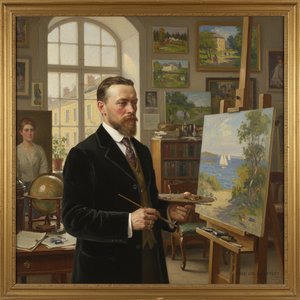
Albert Edelfelt: A Pioneer of Finnish Realism & International Impressionist Circles
Explore the life & work of Albert Edelfelt, a pioneering Finnish Realist painter who bridged Impressionism & national identity. Discover his masterpieces and lasting influence on art history.
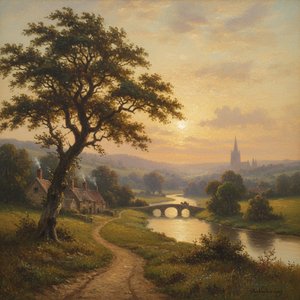
Albert Goodwin: Capturing Victorian Light & Atmosphere – A Study in Landscape Painting
Explore the captivating landscapes of Albert Goodwin (1845-1932), a celebrated Victorian watercolourist influenced by Turner & Ruskin. Discover his techniques, prolific collection, and lasting legacy in British art history.
