
 Náhľad
 Odoslať
 Zdieľať
 Podrobnosti o dielo

 Stiahnuť
 Podobné diela
 RTG skúška
 Prezentácia
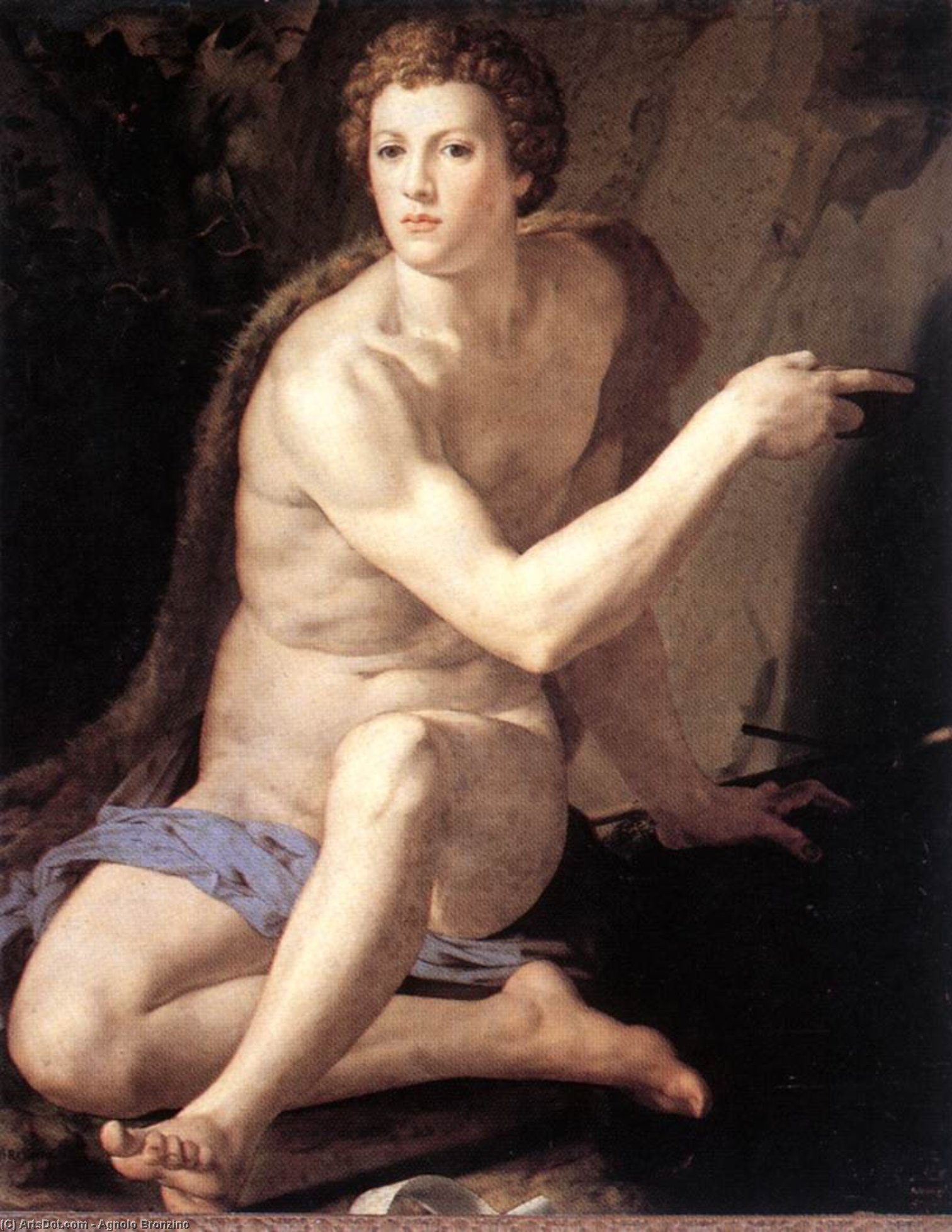
St John the Baptist
 Oil
Oil- WallArt
- Mannerist Style
 1550
1550 120.0 x 92.0 cm
 Galleria Borghese
 Zobraziť viac
Ručne maľovaná olejová reprodukcia
Ručne maľovaný olej na plátne vo vašej zvolenej veľkosti a v ráme, vyrobený na mieru našimi umelcami. ( Kúpiť tlač Kúpiť obrázok)




P118B $10

P118H $10

P118W $10

P438Z $10

P508JH $12

P508YH $12

P805H $10

P805Z $10

P919BZ $10

P919G $10

P919XJ $10

P959ZH $10

P968JZ $12

W106C $8

W218G $10

W218JH $8

W218Y $10

W307PJ $10

W316G $10

W316PJ $8

W316Y $10

W398PJ $8

W4111J $10

W500HY $15

W500JH $15

W692G $12

W849H $8

W940BG $15

W953PJ $8




Vyberte si z našich preddefinovaných rozmerov, ktoré zodpovedajú pôvodným pomeroḿ diela.

Môžete zadať vlastné rozmery tak, aby sa hodili do konkrétneho rámu alebo priestoru. Ak sa váš zvolený rozmer nezhoduje s pôvodnými proporciami obrazu, dielo buď orezáme, alebo ho doplníme ručne maľovanými prvkami. Pred začiatkom výroby vám zašleme digitálny náhľad na schválenie.
Upozorňujeme, že ukážka na obrazovke neodráža skutočné orezanie alebo doplnenie. Skutočnú finálnu kompozíciu zobrazuje iba digitálny náhľad.
Hoci sú k dispozícii vlastné rozmery, odporúčame vybrať rozmer z preddefinovaného zoznamu, aby sme zachovali pôvodné proporcie.
Po odoslaní objednávky vám tím OriginalUniqueArt.com pošle e-mail s pokynmi a poskytne náhľad na návrh.
Celosvetová doprava () za 3 až 4 týždne namiesto štandardných 5 týždňov. (19 august). Bez kompromisov v kvalite.

Bezplatná expresná doprava po celom svete

Prémiové lnianske plátno

Kompletné poistenie prepravy

Záruka vrátenia colného poplatku

Záruka presného farebného zhodnutia

60-dňá politika vrátenia (iba pri defektoch)

100% záruka vrátenia peňazí

Výhodná množstevná zľava
 Možnosť skla je dostupná len pri rozmeroch pod 110 cm

St John the Baptist
Technika reprodukcie
Veľkosť reprodukcie
-


Celková cena za vybrané možnosti
$ 300
Popis diela
Agnolo Bronzino’s Enigmatic St. John the Baptist
Agnolo Bronzino's "St. John the Baptist," painted in 1550 and currently residing within the Galleria Borghese in Rome, is a masterful embodiment of Mannerist artistry—a period characterized by its deliberate elegance, stylized forms, and subtle psychological depth. This arresting image transcends mere portraiture; it’s an exploration of religious iconography interwoven with a profound sense of introspection and restrained emotion. The painting immediately draws the eye to the figure of St. John himself, seated on the ground in a pose that is both dynamic and subtly unsettling. His muscular physique, rendered with Bronzino's signature cool precision, contrasts sharply with the vulnerability suggested by his exposed nudity and downward-pointing hand – a gesture simultaneously inviting and enigmatic.
Bronzino’s technique is immediately recognizable: a meticulous layering of glazes that create an almost luminous surface. The colors are muted yet rich, dominated by deep blues, browns, and ochres, contributing to the painting's overall sense of stillness and formality. Notice how the folds of his garment are not simply painted but built up through countless thin layers, creating a tactile quality that invites close examination. This painstaking attention to detail is characteristic of Bronzino’s work, reflecting his position as one of Florence’s most sought-after court painters – a role demanding both technical mastery and an ability to capture the refined sensibilities of his aristocratic patrons.
The Symbolism of Restraint
Beyond its formal beauty, “St. John the Baptist” is laden with symbolic meaning. The figure's nudity, while reflecting his baptismal origins, also speaks to a deeper sense of vulnerability and exposure. He’s not depicted as a heroic warrior or triumphant prophet; instead, he embodies a quiet contemplation, a man wrestling with his role as herald of Christ. The blue cloth draped around him is particularly significant – often interpreted as representing the heavens, suggesting John's connection to divine revelation. The upward pointing hand, a gesture frequently associated with prophecy and judgment, adds another layer of complexity, hinting at the weighty responsibility he carries.
Furthermore, Bronzino’s choice of pose—the twisting torso, the slightly angled head—is deliberately unnaturalistic, a hallmark of Mannerism. This departure from classical ideals wasn't simply an aesthetic preference; it served to heighten the emotional intensity and psychological complexity of the subject. Bronzino was less interested in capturing a realistic likeness than in conveying a particular mood or state of mind – a quality that distinguishes his work from the more naturalistic styles prevalent during the High Renaissance.
Context within Florentine Art
To understand Bronzino’s “St. John the Baptist,” it's crucial to consider its place within the broader artistic landscape of Florence in the mid-16th century. Following the innovations of Leonardo da Vinci and Michelangelo, artists like Bronzino were pushing the boundaries of representation, exploring new ways to express emotion and create visual drama. He was influenced by Jacopo Pontormo’s innovative style but ultimately forged his own distinct voice—one characterized by a cool composure and refined detail markedly different from Pontormo’s often emotionally charged works. Bronzino's work reflects the patronage of Cosimo I de' Medici, Grand Duke of Tuscany, who commissioned numerous portraits and allegorical paintings to decorate the lavish palaces and chapels of Florence.
A Reproduction for Your Space
OriginalUniqueArt offers meticulously crafted hand-painted reproductions of Agnolo Bronzino’s “St. John the Baptist,” capturing the artist's exquisite detail and evocative atmosphere with unparalleled fidelity. Whether you are a seasoned art collector, an interior designer seeking to elevate your space, or simply an admirer of Renaissance beauty, our reproduction provides a stunning way to experience this iconic masterpiece. Each reproduction is created using traditional techniques and archival-quality materials, ensuring its longevity and preserving the rich colors and textures of Bronzino’s original work. Bring the enigmatic gaze of St. John into your home and immerse yourself in the timeless elegance of Mannerist art.
Biografia umelca
Agnolo Bronzino: The Sculptor's Touch in Florentine Mannerism
Agnolo di Cosimo, known to history as Bronzino, emerged from the vibrant artistic landscape of Renaissance Florence in 1503, a period already brimming with genius. Born the son of a butcher, his path diverged sharply from familial trade, guided instead by an innate talent that would see him become one of the most sought-after portraitists of his era and a defining figure of Mannerism. His early training began with Raffaellino del Garbo, but it was under the tutelage of Jacopo da Pontormo that Bronzino’s artistic sensibilities truly took shape. While absorbing Pontormo's innovative style—characterized by expressive emotion and dynamic movement—he ultimately forged his own distinct voice—one characterized by a cool composure and refined detail markedly different from his teacher’s often emotionally charged works. This early period was also influenced by studies with Andrea del Sarto, exposing him to the legacies of Michelangelo and Leonardo da Vinci, foundational influences that would subtly permeate his mature style. The young Bronzino quickly demonstrated an aptitude for capturing not just physical likeness but a certain psychological depth, even in his earliest commissions.Early Influences and Artistic Formation
Bronzino’s formative years were marked by exposure to the artistic currents of Florence under Pontormo and Sarto. Pontormo's dramatic use of color and distorted perspective—particularly evident in *Joseph with Jacob in Egypt*—challenged conventional aesthetic norms, pushing boundaries of representation and fostering experimentation. Bronzino absorbed these stylistic innovations, adapting them to his own distinctive approach. Simultaneously, the monumental sculptures of Michelangelo instilled in him a profound appreciation for anatomical precision and sculptural form—a fascination that would inform his later portraits and contribute to their remarkable realism. Leonardo da Vinci’s meticulous observation of nature and mastery of sfumato—the subtle blending of tones to create atmospheric depth—served as another crucial inspiration, shaping Bronzino's technique and elevating the expressive potential of his paintings. These influences coalesced into a synthesis that would define Bronzino’s artistic vision throughout his career.The Medici Patronage and Florentine Court Style
Bronzino ascended to prominence thanks to the unwavering patronage of Cosimo I de’ Medici, Duke of Tuscany. Recognizing Bronzino's exceptional talent, Cosimo appointed him as the official court painter—a position he held until his death in 1572—solidifying his reputation as Florence’s foremost artistic figure. During this period, Bronzino produced a prolific output of portraits depicting members of the Medici family and their entourage—works that epitomized Florentine court style: characterized by aristocratic aloofness, polished elegance, and an unwavering commitment to formal conventions. These paintings weren't merely decorative; they functioned as powerful statements of dynastic authority and served as visual emblems of Medici prestige. The meticulous attention to detail—the sumptuous fabrics, the glittering jewelry, the carefully crafted poses—reflected Cosimo’s desire to project an image of grandeur and sophistication. Bronzino skillfully captured not only physical likeness but also psychological nuance—revealing glimpses of inner character through subtle expressions and gestures—establishing himself as a master of portraiture who elevated the genre to new heights.A Mannerist Vision: Sculpture's Influence on Painting
Bronzino’s artistic style is fundamentally rooted in Mannerism—a movement that emerged in Florence during the mid-16th century as a reaction against the idealized beauty and harmonious balance championed by the High Renaissance. Unlike his predecessors, Bronzino rejected naturalistic representation in favor of stylized forms, exaggerated proportions, and an emotionally restrained aesthetic. He embraced elongated figures, flattened perspectives, and dramatic lighting—techniques that prioritized intellectual contemplation over sensory pleasure. This stylistic choice was profoundly influenced by Michelangelo’s sculptures—particularly *David*—which demonstrated a mastery of anatomical precision combined with expressive dynamism. Bronzino internalized Michelangelo's sculptural ethos, applying it to his paintings—resulting in works that possessed an almost sculptural quality—characterized by smooth surfaces and refined modeling. His portraits are devoid of sentimental emotion; instead, they convey an aura of dignified composure—reflecting Cosimo’s desire for a visual language that projected intellectual sophistication rather than emotional vulnerability.Legacy and Enduring Influence
Agnolo Bronzino's contribution to Florentine art history is undeniable. He established himself as the premier portrait artist in Florence, shaping the aesthetic standards of his time and influencing generations of painters who followed him. His distinctive Mannerist style—characterized by cool composure, refined detail, and sculptural form—became a hallmark of aristocratic representation throughout Europe. Bronzino’s meticulous technique—particularly his mastery of sfumato—elevated the expressive potential of painting—demonstrating that art could transcend mere imitation of nature to achieve profound psychological insight. His enduring legacy resides not only in his iconic portraits but also in his pioneering role as a sculptor and his unwavering devotion to artistic excellence—solidifying his place among the greatest artists of the Renaissance. He passed away in Florence in 1572, leaving behind a body of work that continues to inspire admiration and scholarly debate—a testament to Bronzino’s genius and his indelible mark on art history.
Agnolo Bronzino
1503 - 1572 , Taliansko
Základné informácie
- Artistic Movement Or Style: Mannerizmus
- Artists Who Influenced This Artist:
- Jacopo da Pontormo
- Michelangelo
- Rafael
- Date Of Birth: 17. novembra 1503
- Date Of Death: 23. novembra 1572
- Full Name: Agnolo di Cosimo Allori
- Nationality: Taliansky
- Notable Artworks:
- Venícia, Čoho a Čas
- *Venus, Cupid, Folly & Time*
- Portréty Cosima I de’ Medici
- Place Of Birth: Florencia, Taliansko
Súvisiace články

John Singer Sargent's 25 Masterpieces: Portraits & Beyond | OriginalUniqueArt
Explore 25 iconic John Singer Sargent paintings – from dazzling portraits to Impressionist landscapes. Discover the stories behind Madame X, El Jaleo & more! Find museum-quality art reproductions and elevate your home decor with OriginalUniqueArt.com.

John Constable: Top 25 Majstrovských Diel pre Váš Domov | OriginalUniqueArt.sk
Ponorte sa do sveta Johna Constabla s OriginalUniqueArt.sk! Objavte top 25 majstrovských diel anglického romantizmu – od ikonického Hay Wain až po krajinárske motívy Suffolku. Kvalitné reprodukcie obrazov pre váš domov. Preskúmajte celú kolekciu online!

Oil on Canvas: A Historical & Technical Exploration of a Timeless Artistic Medium
Explore the rich history & enduring techniques of oil painting on canvas. Discover the science behind its longevity, conservation practices, and contemporary relevance. Expert insights for art enthusiasts.

The Enduring Legacy of Oil on Canvas: Technique, History & Aesthetic Impact
Explore the rich history & techniques of oil painting – from Renaissance masters to Impressionism. Discover pigments, layering methods, and why this timeless medium endures. Expert insights for artists & art enthusiasts.

The Enduring Power of Painting: A Historical & Contemporary Exploration of Form and Emotion
Explore the rich history & enduring techniques of oil painting with OriginalUniqueArt. Discover masterpieces, learn about art collecting, and find authentic handmade reproductions crafted by skilled artists.



