Zobraziť v interiéri
 Odoslať
 Zdieľať
 Podrobnosti
 Príručka

 Stiahnuť
 Podobné položky
 RTG skúška
 Prehliadanie diapo\]
 Štatistiky
St. Bartholomew


 Prečítať si viac
Giclée / Umenotlač
Giclée tlač alebo plátno múzeálnej kvality s rýchlou výrobou a rôznymi možnosťami povrchovej úpravy. ( Objednať ručne maľovanú reprodukciu Prepnúť na digitálnu verziu obrazu)




P118B €10

P118H €10

P118W €10

P438Z €10

P508JH €12

P508YH €12

P805H €10

P805Z €10

P919BZ €10

P919G €10

P919XJ €10

P959ZH €10

P968JZ €12

W106C €8

W218G €10

W218JH €8

W218Y €10

W307PJ €10

W316G €10

W316PJ €8

W316Y €10

W398PJ €8

W4111J €10

W500HY €15

W500JH €15

W692G €12

W849H €8

W940BG €15

W953PJ €8




Vyberte si z našich preddefinovaných rozmerov, ktoré zodpovedajú pôvodným pomeroḿ diela.

Zadajte šírku a výšku, ktoré potrebujete, aby sa reprodukcia hodila k vášmu rámu alebo stene. Print možno len orezávať, nikdy však nemennú veľkosť zvětšiť oproti pôvodnému obrázku, preto pri inom formáte stráca časť obrazu. Pred samotným vytlačiacím procesom vám pošleme digitálny náhľad na schválenie. Obrázok zobrazený na tejto stránke nezobrazuje reálny rez — len digitálny náhľad ukazuje presný výsledok.
Celosvetová doprava () do 2 týždňov namiesto štandardných 4 až 5 týždňov. (25 október)

Bezplatná expresná doprava po celom svete

Vysokokvalitné lnianske plátno

Úplné poistenie prepravy

Záruka vrátenia colného poplatku

Záruka presného farebného zhodnutia

100-dená politika vrátenia tovaru (iba pri vadách)

100% záruka vrátenia peňazí

Ponuka množstevnej zľavy
 Možnosť skla je dostupná len pri rozmeroch pod 110 cm

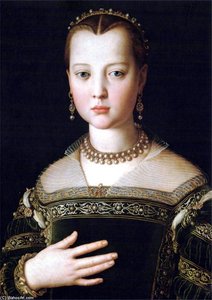
St. Bartholomew
Giclée / Umenotlač
Veľkosť reprodukcie
-


Celková cena
€ 70
A Study in Suffering: Bronzino’s St. Bartholomew
Agnolo Bronzino's "St. Bartholomew," a haunting oil on wood painting dating from the 16th century, offers a profoundly unsettling glimpse into religious martyrdom and the meticulous observation of human anatomy that defined the artist’s legacy. Sold to the Accademia di San Luca in 1821 after decades of misattribution, this work – alongside its counterpart depicting St. Andrew – represents a pivotal moment in art historical understanding. Initially linked to the hands of Alessandro Allori or his master, Bronzino himself is now recognized as the true author, thanks to meticulous conservation efforts undertaken between 1985 and 1987 that revealed the painting’s exquisite detail and technical mastery.
- Subject Matter: The scene depicts St. Bartholomew, a disciple of Christ, enduring his brutal flaying alive – a common motif in early Christian art representing faith and sacrifice.
- Technical Brilliance: Bronzino’s skill is immediately apparent in the shockingly realistic depiction of Bartholomew's musculature. This anatomical precision owes a significant debt to Andreas Vesalius’s groundbreaking “De Humani Corporis Fabrica,” published in 1543, demonstrating Bronzino’s commitment to scientific accuracy within his artistic practice.
- Composition & Figures: The composition is deliberately stark and dramatic, focusing entirely on the suffering of the saint. Secondary figures – a man on the left and another near the upper right corner, along with a third at the bottom right – add layers of complexity, perhaps representing witnesses or participants in this agonizing event.
The Mannerist Aesthetic: Coolness and Detail
Bronzino was a key figure within the Mannerist movement, a style that emerged as a reaction against the High Renaissance’s emphasis on balance and harmony. Unlike the idealized forms of Leonardo or Raphael, Bronzino favored a more restrained, intellectual approach to beauty. His work is characterized by a cool composure, precise detail, and an almost unsettling stillness – qualities perfectly embodied in “St. Bartholomew.” This deliberate lack of emotional exuberance was a hallmark of Mannerism, prioritizing observation and technical skill over passionate expression.
Born in Florence in 1503, Bronzino’s early training under Raffaellino del Garbo and Jacopo da Pontormo laid the groundwork for his distinctive style. While influenced by Pontormo's innovative approach, Bronzino ultimately developed a voice defined by refined detail and a detached observation of the human form – a characteristic that would solidify his reputation as “the Florentine Master of Reserved Elegance.”
Symbolism and Historical Context
The flaying of St. Bartholomew carries profound symbolic weight within Christian iconography. It represents unwavering faith in the face of unimaginable suffering, mirroring Christ’s own sacrifice. The scene's stark realism reflects a shift in artistic sensibilities during the Renaissance, where artists increasingly sought to represent the world with scientific accuracy and emotional depth. Bronzino’s meticulous rendering of Bartholomew’s agony speaks to this desire for both visual truth and spiritual contemplation.
The painting’s eventual attribution to Bronzino after centuries of uncertainty underscores the importance of careful historical research and conservation in art appreciation. The 1985-1987 cleaning revealed the full extent of Bronzino's genius, solidifying his place as one of the most significant artists of the Florentine Renaissance.
A Timeless Masterpiece – Perfect for Display
"St. Bartholomew" is more than just a historical artwork; it’s a powerful meditation on faith, suffering, and the human condition. Its dramatic composition, technical brilliance, and profound symbolism make it a compelling subject for art lovers and collectors alike. A hand-painted reproduction of this iconic piece offers an unparalleled opportunity to bring this masterpiece into your home or office – a testament to Bronzino’s enduring legacy and a captivating addition to any discerning collection.
Otázky a odpovede
Aké sú reprodukčné práva k dielu „St. Bartholomew“ v múzeu Accademia di San Luca?
Originál diela „St. Bartholomew“ sa nachádza v múzeu Accademia di San Luca a toto dielo je v verejnom vlastníctve – autorské práva vypršali.
Možno voľne reprodukovať obraz diela „St. Bartholomew“ od Agnolo Bronzino?
Informácia o autorských právach pre „St. Bartholomew“ od Agnolo Bronzino: dielo je v stave v verejnom vlastníctve – autorské práva vypršali. To určuje, či je možné voľne vytvárať reprodukcie tohto obrazu.
Akú atmosféru má dielo „St. Bartholomew“?
„St. Bartholomew“ má Elegant atmosféru.
Biografia umelca
Agnolo Bronzino: The Sculptor's Touch in Florentine Mannerism
Agnolo di Cosimo, known to history as Bronzino, emerged from the vibrant artistic landscape of Renaissance Florence in 1503, a period already brimming with genius. Born the son of a butcher, his path diverged sharply from familial trade, guided instead by an innate talent that would see him become one of the most sought-after portraitists of his era and a defining figure of Mannerism. His early training began with Raffaellino del Garbo, but it was under the tutelage of Jacopo da Pontormo that Bronzino’s artistic sensibilities truly took shape. While absorbing Pontormo's innovative style—characterized by expressive emotion and dynamic movement—he ultimately forged his own distinct voice—one characterized by a cool composure and refined detail markedly different from his teacher’s often emotionally charged works. This early period was also influenced by studies with Andrea del Sarto, exposing him to the legacies of Michelangelo and Leonardo da Vinci, foundational influences that would subtly permeate his mature style. The young Bronzino quickly demonstrated an aptitude for capturing not just physical likeness but a certain psychological depth, even in his earliest commissions.Early Influences and Artistic Formation
Bronzino’s formative years were marked by exposure to the artistic currents of Florence under Pontormo and Sarto. Pontormo's dramatic use of color and distorted perspective—particularly evident in *Joseph with Jacob in Egypt*—challenged conventional aesthetic norms, pushing boundaries of representation and fostering experimentation. Bronzino absorbed these stylistic innovations, adapting them to his own distinctive approach. Simultaneously, the monumental sculptures of Michelangelo instilled in him a profound appreciation for anatomical precision and sculptural form—a fascination that would inform his later portraits and contribute to their remarkable realism. Leonardo da Vinci’s meticulous observation of nature and mastery of sfumato—the subtle blending of tones to create atmospheric depth—served as another crucial inspiration, shaping Bronzino's technique and elevating the expressive potential of his paintings. These influences coalesced into a synthesis that would define Bronzino’s artistic vision throughout his career.The Medici Patronage and Florentine Court Style
Bronzino ascended to prominence thanks to the unwavering patronage of Cosimo I de’ Medici, Duke of Tuscany. Recognizing Bronzino's exceptional talent, Cosimo appointed him as the official court painter—a position he held until his death in 1572—solidifying his reputation as Florence’s foremost artistic figure. During this period, Bronzino produced a prolific output of portraits depicting members of the Medici family and their entourage—works that epitomized Florentine court style: characterized by aristocratic aloofness, polished elegance, and an unwavering commitment to formal conventions. These paintings weren't merely decorative; they functioned as powerful statements of dynastic authority and served as visual emblems of Medici prestige. The meticulous attention to detail—the sumptuous fabrics, the glittering jewelry, the carefully crafted poses—reflected Cosimo’s desire to project an image of grandeur and sophistication. Bronzino skillfully captured not only physical likeness but also psychological nuance—revealing glimpses of inner character through subtle expressions and gestures—establishing himself as a master of portraiture who elevated the genre to new heights.A Mannerist Vision: Sculpture's Influence on Painting
Bronzino’s artistic style is fundamentally rooted in Mannerism—a movement that emerged in Florence during the mid-16th century as a reaction against the idealized beauty and harmonious balance championed by the High Renaissance. Unlike his predecessors, Bronzino rejected naturalistic representation in favor of stylized forms, exaggerated proportions, and an emotionally restrained aesthetic. He embraced elongated figures, flattened perspectives, and dramatic lighting—techniques that prioritized intellectual contemplation over sensory pleasure. This stylistic choice was profoundly influenced by Michelangelo’s sculptures—particularly *David*—which demonstrated a mastery of anatomical precision combined with expressive dynamism. Bronzino internalized Michelangelo's sculptural ethos, applying it to his paintings—resulting in works that possessed an almost sculptural quality—characterized by smooth surfaces and refined modeling. His portraits are devoid of sentimental emotion; instead, they convey an aura of dignified composure—reflecting Cosimo’s desire for a visual language that projected intellectual sophistication rather than emotional vulnerability.Legacy and Enduring Influence
Agnolo Bronzino's contribution to Florentine art history is undeniable. He established himself as the premier portrait artist in Florence, shaping the aesthetic standards of his time and influencing generations of painters who followed him. His distinctive Mannerist style—characterized by cool composure, refined detail, and sculptural form—became a hallmark of aristocratic representation throughout Europe. Bronzino’s meticulous technique—particularly his mastery of sfumato—elevated the expressive potential of painting—demonstrating that art could transcend mere imitation of nature to achieve profound psychological insight. His enduring legacy resides not only in his iconic portraits but also in his pioneering role as a sculptor and his unwavering devotion to artistic excellence—solidifying his place among the greatest artists of the Renaissance. He passed away in Florence in 1572, leaving behind a body of work that continues to inspire admiration and scholarly debate—a testament to Bronzino’s genius and his indelible mark on art history.
Agnolo Bronzino
1503 - 1572 , Taliansko
Rýchle fakty
- Artistic Movement Or Style: Mannerizmus
- Artists Who Influenced This Artist:
- Jacopo da Pontormo
- Michelangelo
- Rafael
- Date Of Birth: 17. novembra 1503
- Date Of Death: 23. novembra 1572
- Full Name: Agnolo di Cosimo Allori
- Nationality: Taliansky
- Notable Artworks:
- Venícia, Čoho a Čas
- *Venus, Cupid, Folly & Time*
- Portréty Cosima I de’ Medici
- Place Of Birth: Florencia, Taliansko
Súvisiace články

The Enduring Legacy of Oil on Canvas: Technique, History & Aesthetic Impact
Explore the rich history & techniques of oil painting – from Renaissance masters to Impressionism. Discover pigments, layering methods, and why this timeless medium endures. Expert insights for artists & art enthusiasts.

Oil on Board: A Historical Survey of Technique, Aesthetic Qualities & Enduring Appeal
Explore the rich history of oil on board painting! Discover techniques, aesthetic qualities & enduring appeal from early masters to modern practice. Expert insights for collectors and art enthusiasts.

Oil on Canvas: A Historical & Technical Exploration of a Timeless Artistic Medium
Explore the rich history & enduring techniques of oil painting on canvas. Discover the science behind its longevity, conservation practices, and contemporary relevance. Expert insights for art enthusiasts.

The Enduring Power of Painting: A Historical & Contemporary Exploration of Form and Emotion
Explore the rich history & enduring techniques of oil painting with OriginalUniqueArt. Discover masterpieces, learn about art collecting, and find authentic handmade reproductions crafted by skilled artists.

The Timeless Charm of Oil on Board: Reimagining Texture and Light through the Impressionist Lens
Discover the profound intimacy of oil on panel. Explore how Impressionist masters used rigid supports to capture light, texture, and impasto depth through exquisite, handmade oil reproductions for discerning collectors.