
 Odoslať ako digitálnu kartu
 Zdieľať
 Podrobnosti o dielo
 Príručka

 Stiahnuť obraz
 Podobné položky
 Prehliadanie diapozoje
 Otázky a odpovede
 Štatistiky
Saying Grace


 Zobraziť viac
Giclée / Umenotlač
Giclée tlač alebo plátno múzeálnej kvality s rýchlou výrobou a rôznymi možnosťami povrchovej úpravy. ( Kúpiť ručne maľovaný obraz Prepnúť na digitálny obraz)




































Vyberte si z našich preddefinovaných rozmerov, ktoré zodpovedajú pôvodným pomeroḿ diela.

Zadajte šírku a výšku, ktoré potrebujete, aby sa reprodukcia hodila k vášmu rámu alebo stene. Print možno len orezávať, nikdy však nemennú veľkosť zvětšiť oproti pôvodnému obrázku, preto pri inom formáte stráca časť obrazu. Pred samotným vytlačiacím procesom vám pošleme digitálny náhľad na schválenie. Obrázok zobrazený na tejto stránke nezobrazuje reálny rez — len digitálny náhľad ukazuje presný výsledok.
Celosvetová doprava () do 2 týždňov namiesto štandardných 4 až 5 týždňov. (4 november)

Bezplatná expresná doprava po celom svete

Vysokokvalitné lnianske plátno

Kompletné poistenie prepravy

Záruka vrátenia colného poplatku

Záruka presného farebného zhodnutia

100-dená politika vrátenia tovaru (iba pri vadách)

100% záruka vrátenia peňazí

Zľava pri väčšom množstve
 Možnosť skla je dostupná len pri rozmeroch pod 110 cm

Saying Grace
Giclée / Umenotlač
Veľkosť reprodukcie
-


Celková cena
€ 72
The Quiet Ritual of Community: An Encounter with Adriaen van Ostade's "Saying Grace"
To gaze upon Adriaen van Ostade’s Saying Grace is not merely to observe a painting; it is to step across the threshold and into the warm, intimate glow of a Dutch Golden Age hearth. This scene captures that profound, suspended moment just before sustenance—the collective pause where gratitude takes precedence over appetite. The composition centers around a sturdy dining table, laden with the promise of a shared meal, yet the true focus lies in the human connection surrounding it. Van Ostade masterfully renders a gathering of souls, their postures suggesting familiarity and deep-rooted community bonds. It speaks to a time when domestic life was not just about survival, but about ritual, fellowship, and the quiet acknowledgment of blessings.
Mastery in Genre Detail: Technique and Atmosphere
Van Ostade’s technique is a testament to the meticulous observation characteristic of Dutch genre painting. While his early work flirted with the looser brushwork of masters like Frans Hals, here we see a refinement that lends an almost tangible weight to every fold of cloth and every expression on a face. The black and white nature of this print only heightens our appreciation for the tonal subtlety—the interplay between deep shadows pooling in the corners and the soft illumination catching the polished wood of the table. Notice how the light seems to emanate from an unseen source, bathing the central group in a gentle, almost sacred glow. This attention to atmospheric detail transforms what could be a simple depiction of dinner into a profound study of human interaction.
Symbolism of the Shared Table
The dining table itself functions as a powerful symbolic anchor within the painting. It is the nexus point where disparate lives momentarily converge under the banner of shared experience. The act of "saying grace" transcends mere religious observance; it symbolizes gratitude for provision, for family, and for the simple gift of time together. In the context of 17th-century Dutch life, such gatherings were vital social affirmations. Every figure, whether seated or standing, contributes to a tapestry of quiet devotion. The bowl upon the table is not just food; it represents bounty, the tangible result of labor and providence.
Bringing the Golden Age Home: Decorating with Narrative
For the collector or designer seeking to infuse a space with the rich narrative depth of history, a reproduction of Saying Grace offers unparalleled emotional resonance. It moves beyond mere decoration; it becomes a focal point for contemplation. Imagine this scene gracing your wall—it invites conversation, prompting viewers to pause and consider their own moments of grace. The style speaks to an appreciation for the domestic sublime, suggesting that true artistry can be found not in grand historical epics, but in the quiet dignity of everyday life shared among loved ones.
Otázky a odpovede
Aká je celková svetlosť diela "Saying Grace"?
Vnímaná jasnosť diela „Saying Grace“ od Adriaen van Ostade je bright. Je možné ju prispôsobiť osvetleniu určeného priestoru.
Môžem si pomocou rozšírenej reality prezrieť „Saying Grace“ od Adriaen van Ostade vo svojej miestnosti?
Pre dielo „Saying Grace“ je k dispozícii náhľad v rozšírenej realite: stránka Náhľad v AR vám umožní zobraziť toto umenie vo vašom vlastnom priestore pomocou kompatibilného zariadenia.
Čo zobrazuje „Saying Grace“ od Adriaen van Ostade a akú náladu vyvoláva?
„Saying Grace“ od Adriaen van Ostade zachytáva genre scene, dining table, family meal, dutch life, still life, gathering v Serene nálade. Predmet a atmosféra spoločne definujú toto dielo.
Biografia umelca
Adriaen Jansz van Ostade – A Master of Dutch Genre Painting
Adriaen Jansz van Ostade (baptized as Adriaen Hendricx van Eyndhoven 10 December 1610 – buried 2 May 1685) stands as a pivotal figure in the history of Dutch Baroque art, celebrated primarily for his poignant depictions of everyday peasant life—a genre that captured the spirit of his era with remarkable sensitivity and detail. Born into a family of weavers in Haarlem, Ostade’s artistic journey began under the tutelage of Frans Hals and Isaack Jansz van Ostade, establishing him firmly within the influential Haarlem School tradition.- Early Training & Influence:
- Frans Hals's impact on Ostade’s technique and compositional style was considerable, particularly his loose brushwork and ability to convey emotion through facial expressions.
A Distinctive Artistic Vision – Genre Painting Elevated
Ostade swiftly diverged from Hals’s stylistic path, developing a unique approach characterized by meticulous observation and an unwavering commitment to realism. Unlike many of his contemporaries who favored grand mythological or historical subjects, Ostade focused intently on scenes of rural life—tavern gatherings, village fairs, and domestic interiors—transforming these humble settings into canvases brimming with psychological depth and nuanced emotion. His distinctive style is marked by a subtle use of chiaroscuro (light and shadow), creating dramatic contrasts that heighten the expressive power of his compositions.- Key Characteristics:
- Ostade’s paintings are distinguished by their textured surfaces, achieved through layering thin glazes of paint—a technique perfected by Brouwer—that imbue the canvases with a palpable sense of atmosphere.
Notable Works & Artistic Legacy
Among Ostade's most enduring masterpieces are *Saying Grace* (c. 1660), housed at the Cleveland Museum of Art, and *A Laughing Peasant* (1634), residing in the Kremer Collection, Amsterdam—both exemplifying his unparalleled ability to convey human emotion with understated grace. His tavern scenes—such as *The Tavern Scene*—offer invaluable glimpses into the social customs and anxieties of seventeenth-century Holland. Furthermore, Ostade’s landscapes, though less frequent than his genre paintings, possess a quiet beauty that reflects his profound connection to the natural world.- Influences Beyond Hals:
- David Teniers the Younger served as another important artistic companion, fostering a dialogue between Flemish and Dutch traditions—a conversation that enriched Ostade’s oeuvre.
The Enduring Relevance of Ostade's Art
Adriaen van Ostade’s legacy extends far beyond his time. His unwavering dedication to realism and psychological insight paved the way for subsequent artistic movements like Impressionism and Realism, demonstrating the enduring power of observation and empathy in artmaking. Today, Ostade’s paintings continue to captivate audiences worldwide, serving as poignant reminders of humanity's capacity for both joy and sorrow—a testament to his genius as a genre painter and a master of Baroque artistry.
Adriaen van Ostade
1610 - 1685 , Nemecko
Základné informácie
- Artistic Movement Or Style: Baroková štúdia
- Artists Who Influenced This Artist:
- Frans Hals
- Adriaen Brouwer
- Date Of Birth: 10. december 1610
- Date Of Death: 2. máj 1685
- Full Name: Adriaen Jansz van Ostade
- Nationality: Holandský
- Notable Artworks:
- Rodinný farský dom
- Švietiteľ s tromi žiakmi
- Kiosk pod veľkým stromom
- Place Of Birth: Haarlem, Holandsko
Súvisiace články
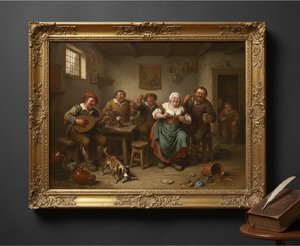
Adriaen van Ostade: A Master of Dutch Genre Painting & Social Commentary
Explore the life & work of Adriaen van Ostade, a leading Dutch Golden Age painter. Discover his realistic genre scenes, social commentary, and lasting influence on art history. Learn more at OriginalUniqueArt.

Top 10 majstrovských diel holandskej Zlatej éry: Umění pre váš domov s OriginalUniqueArt.com
Ponorte sa do sveta holandskej Zlatej éry s OriginalUniqueArt.com! Objavte príbehy Rembrandta, Vermeera a ďalších majstrov baroka. Reprodukcie obrazov pre váš domov – inšpirujte sa nadčasnými dielami. Preskúmajte kolekciu online!

Golden Light & Dutch Skies: The Timeless Magic of Dutch Golden Age Landscapes
Discover the breathtaking beauty of Dutch Golden Age landscapes. Explore the mastery of light, chiaroscuro, and 17th-century realism through an expert art history lens, celebrating the enduring legacy of the Dutch Masters for discerning collectors and art lovers.

Rembrandt van Rijn: Top 25 Majstrovských Diel pre Váš Domov | OriginalUniqueArt
Ponorte sa do sveta Rembrandta van Rijna s OriginalUniqueArt.com! Objavte 25 majstrovských diel holandského baroka, portrétov a ikonických obrazov plných svetla a tieňa. Kúpiť kvalitné reprodukcie pre váš interiér. Preskúmajte celú kolekciu online!
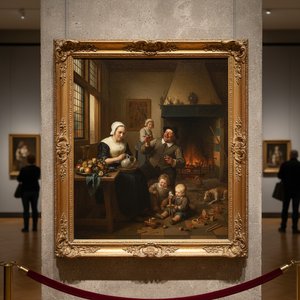
Genre Painting: A Window into Daily Life & Societal Values of the Dutch Golden Age
Explore the captivating world of Dutch Golden Age genre painting! Discover realistic depictions of daily life, masterful artists like Ostade & Metsu, and hidden symbolism. Learn about this influential art movement with OriginalUniqueArt.