
 Náhľad v interiéri
 Odoslať ako digitálnu kartu
 Zdieľať
 Podrobnosti o dielo
 Príručka

 Stiahnuť obraz
 Podobné položky
 RTG skúška
 Prehliadanie diapozoje
 Otázky a odpovede
 Štatistiky
Children Playing in a Barn

- 23.0 x 29.0 cm


 Zobraziť viac
Giclée / Umenotlač
Giclée tlač alebo plátno múzeálnej kvality s rýchlou výrobou a rôznymi možnosťami povrchovej úpravy. ( Kúpiť ručne maľovaný obraz Prepnúť na digitálny obraz)




P118B €10

P118H €10

P118W €10

P438Z €10

P508JH €12

P508YH €12

P805H €10

P805Z €10

P919BZ €10

P919G €10

P919XJ €10

P959ZH €10

P968JZ €12

W106C €8

W218G €10

W218JH €8

W218Y €10

W307PJ €10

W316G €10

W316PJ €8

W316Y €10

W398PJ €8

W4111J €10

W500HY €15

W500JH €15

W692G €12

W849H €8

W940BG €15

W953PJ €8




Vyberte si z našich preddefinovaných rozmerov, ktoré zodpovedajú pôvodným pomeroḿ diela.

Zadajte šírku a výšku, ktoré potrebujete, aby sa reprodukcia hodila k vášmu rámu alebo stene. Print možno len orezávať, nikdy však nemennú veľkosť zvětšiť oproti pôvodnému obrázku, preto pri inom formáte stráca časť obrazu. Pred samotným vytlačiacím procesom vám pošleme digitálny náhľad na schválenie. Obrázok zobrazený na tejto stránke nezobrazuje reálny rez — len digitálny náhľad ukazuje presný výsledok.
Celosvetová doprava () do 2 týždňov namiesto štandardných 4 až 5 týždňov. (4 november)

Bezplatná expresná doprava po celom svete

Vysokokvalitné lnianske plátno

Kompletné poistenie prepravy

Záruka vrátenia colného poplatku

Záruka presného farebného zhodnutia

100-dená politika vrátenia tovaru (iba pri vadách)

100% záruka vrátenia peňazí

Zľava pri väčšom množstve
 Možnosť skla je dostupná len pri rozmeroch pod 110 cm

Children Playing in a Barn
Giclée / Umenotlač
Veľkosť reprodukcie
-


Celková cena
€ 72
A Glimpse into Golden Age Domestic Bliss
Adriaen van Ostade’s "Children Playing in a Barn" transports us directly into the heart of 17th-century Dutch life, offering more than just a depiction; it presents a carefully curated moment of pure, unadulterated joy. The scene unfolds within the rustic embrace of a barn, a space typically associated with labor and harvest, yet here, it has been transformed by the spontaneous energy of childhood play. One can almost hear the echoes of laughter mingling with the quiet sounds of the countryside filtering through the wooden beams. The composition is rich with life, featuring several children deeply engrossed in their games, overseen perhaps by a gentle adult presence whose role anchors the scene in domestic warmth.
Mastery of Genre and Detail
Van Ostade, a master practitioner of Dutch genre painting, possessed an unparalleled gift for rendering the everyday into something monumental. His technique is characterized by meticulous detail—a hallmark of the period that allowed him to imbue humble objects with profound significance. Observe the placement of the simple chair, the sturdy dining table, and even the solitary cup resting upon a surface; these elements are not mere props but integral parts of the narrative tapestry. Van Ostade’s brushwork, while capturing the lively movement of the children, retains a subtle, almost luminous quality that speaks to his technical brilliance. It is this combination of high realism with an atmosphere of gentle fantasy that makes the painting so enduringly captivating.
The Symbolism of Childhood and Community
Beyond the surface gaiety, the artwork resonates with deeper themes pertinent to Dutch culture during the Golden Age. The depiction of children at play often served as a subtle commentary on innocence, the passage of time, and the importance of community bonds. In this barn setting, the interaction between the figures suggests a harmonious microcosm—a temporary sanctuary from the rigors of adult life. The hay-strewn floor grounds the scene in nature, while the gathering itself speaks to the value placed on familial connection and simple pleasures within the burgeoning Dutch mercantile society.
Bringing Nostalgia Home
For the modern collector or interior designer, this piece offers an unparalleled infusion of warmth into any space. Reproducing "Children Playing in a Barn" allows one to curate not just artwork, but an entire mood—one steeped in nostalgia and gentle vitality. It suggests a life lived slowly, where moments of shared laughter held more value than material accumulation. Owning this reproduction is inviting a piece of that idealized Dutch pastoral memory into your home, transforming a wall from mere surface to a window onto a sun-drenched afternoon long past.
Otázky a odpovede
Kde sa odporúča vystaviť dielo „Children Playing in a Barn“ vo formáte Landscape?
Pre dielo „Children Playing in a Barn“ od Adriaen van Ostade sú uvedené formát (Landscape) a odporúčaný priestor (Lounge).
Je možné si stiahnuť obraz "Children Playing in a Barn"?
Pre dielo „Children Playing in a Barn“ je možné si zakúpiť digitálnu verziu: na stránke Stiahnuť digitálnu verziu pre toto dielo si môžete stiahnutie digitálneho obrázka vo vysokom rozlíšení.
Akú saturáciu a intenzitu má dielo „Children Playing in a Barn“ od Adriaen van Ostade?
„Children Playing in a Barn“ od Adriaen van Ostade je zachytený s nasytením Balanced Soft a intenzitou Monochromatic.
Biografia umelca
Adriaen Jansz van Ostade – A Master of Dutch Genre Painting
Adriaen Jansz van Ostade (baptized as Adriaen Hendricx van Eyndhoven 10 December 1610 – buried 2 May 1685) stands as a pivotal figure in the history of Dutch Baroque art, celebrated primarily for his poignant depictions of everyday peasant life—a genre that captured the spirit of his era with remarkable sensitivity and detail. Born into a family of weavers in Haarlem, Ostade’s artistic journey began under the tutelage of Frans Hals and Isaack Jansz van Ostade, establishing him firmly within the influential Haarlem School tradition.- Early Training & Influence:
- Frans Hals's impact on Ostade’s technique and compositional style was considerable, particularly his loose brushwork and ability to convey emotion through facial expressions.
A Distinctive Artistic Vision – Genre Painting Elevated
Ostade swiftly diverged from Hals’s stylistic path, developing a unique approach characterized by meticulous observation and an unwavering commitment to realism. Unlike many of his contemporaries who favored grand mythological or historical subjects, Ostade focused intently on scenes of rural life—tavern gatherings, village fairs, and domestic interiors—transforming these humble settings into canvases brimming with psychological depth and nuanced emotion. His distinctive style is marked by a subtle use of chiaroscuro (light and shadow), creating dramatic contrasts that heighten the expressive power of his compositions.- Key Characteristics:
- Ostade’s paintings are distinguished by their textured surfaces, achieved through layering thin glazes of paint—a technique perfected by Brouwer—that imbue the canvases with a palpable sense of atmosphere.
Notable Works & Artistic Legacy
Among Ostade's most enduring masterpieces are *Saying Grace* (c. 1660), housed at the Cleveland Museum of Art, and *A Laughing Peasant* (1634), residing in the Kremer Collection, Amsterdam—both exemplifying his unparalleled ability to convey human emotion with understated grace. His tavern scenes—such as *The Tavern Scene*—offer invaluable glimpses into the social customs and anxieties of seventeenth-century Holland. Furthermore, Ostade’s landscapes, though less frequent than his genre paintings, possess a quiet beauty that reflects his profound connection to the natural world.- Influences Beyond Hals:
- David Teniers the Younger served as another important artistic companion, fostering a dialogue between Flemish and Dutch traditions—a conversation that enriched Ostade’s oeuvre.
The Enduring Relevance of Ostade's Art
Adriaen van Ostade’s legacy extends far beyond his time. His unwavering dedication to realism and psychological insight paved the way for subsequent artistic movements like Impressionism and Realism, demonstrating the enduring power of observation and empathy in artmaking. Today, Ostade’s paintings continue to captivate audiences worldwide, serving as poignant reminders of humanity's capacity for both joy and sorrow—a testament to his genius as a genre painter and a master of Baroque artistry.
Adriaen van Ostade
1610 - 1685 , Nemecko
Základné informácie
- Artistic Movement Or Style: Baroková štúdia
- Artists Who Influenced This Artist:
- Frans Hals
- Adriaen Brouwer
- Date Of Birth: 10. december 1610
- Date Of Death: 2. máj 1685
- Full Name: Adriaen Jansz van Ostade
- Nationality: Holandský
- Notable Artworks:
- Rodinný farský dom
- Švietiteľ s tromi žiakmi
- Kiosk pod veľkým stromom
- Place Of Birth: Haarlem, Holandsko
Súvisiace články

Rembrandt van Rijn: Top 25 Majstrovských Diel pre Váš Domov | OriginalUniqueArt
Ponorte sa do sveta Rembrandta van Rijna s OriginalUniqueArt.com! Objavte 25 majstrovských diel holandského baroka, portrétov a ikonických obrazov plných svetla a tieňa. Kúpiť kvalitné reprodukcie pre váš interiér. Preskúmajte celú kolekciu online!
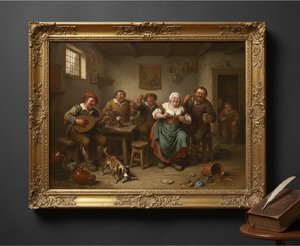
Adriaen van Ostade: A Master of Dutch Genre Painting & Social Commentary
Explore the life & work of Adriaen van Ostade, a leading Dutch Golden Age painter. Discover his realistic genre scenes, social commentary, and lasting influence on art history. Learn more at OriginalUniqueArt.

Top 10 majstrovských diel holandskej baroka: Umění pre váš domov s OriginalUniqueArt
Objavte top 10 majstrovských diel holandskej baroka s OriginalUniqueArt! Rembrandt, Vermeer a ďalší. Prežite príbehy umenia, techniky a farieb. Reprodukcie obrazov pre váš domov – Explore the full collection online.
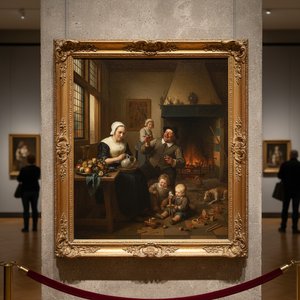
Genre Painting: A Window into Daily Life & Societal Values of the Dutch Golden Age
Explore the captivating world of Dutch Golden Age genre painting! Discover realistic depictions of daily life, masterful artists like Ostade & Metsu, and hidden symbolism. Learn about this influential art movement with OriginalUniqueArt.

Chiaroscuro and Character: A Definitive Guide to Light and Shadow in the Dutch Baroque Era
Explore the dramatic mastery of the Dutch Baroque era. Discover how masters like Rembrandt used chiaroscuro to transform everyday life into timeless art. An expert guide for collectors and enthusiasts seeking to understand the profound interplay of light and shadow.