

 Náhľad v interiéri
 Odoslať ako digitálnu kartu
 Zdieľať
 Podrobnosti o dielo
 Príručka

 Stiahnuť obraz
 Podobné položky
 RTG skúška
 Prehliadanie diapozoje
 Q&A
Q&A Štatistiky
Spray
 Abstract Expressionism
 1959
1959 229.0 x 184.0 cm
 Zobraziť viac
Umelecké dielo zobrazené na tejto stránke je chránené autorským zákonom, čo znamená, že nemôžeme legálne vytvárať ani predávať jeho identickú reprodukciu. Táto ochrana je vymáhaná na základe medzinárodných dohôd, ako napríklad Bernská konvencia a národnými zákonmi, vrátane tých, ktoré sú stanovené v Autorské právo USA – Title 17. Všetky práva vyhradené.
Táto metóda plne dodržiava autorské práva, pretože nezahŕňa kopírovanie ani duplikovanie chráneného diela. Ide skôr o kreatívnu reinterpretáciu – nový obraz, ktorý je ovplybnený originálom, no nie je s ním identický.
Giclée / Umenotlač
Giclée tlač alebo plátno múzeálnej kvality s rýchlou výrobou a rôznymi možnosťami povrchovej úpravy. ( Kúpiť ručne maľovaný obraz Prepnúť na digitálny obraz)




P118B €10

P118H €10

P118W €10

P438Z €10

P508JH €12

P508YH €12

P805H €10

P805Z €10

P919BZ €10

P919G €10

P919XJ €10

P959ZH €10

P968JZ €12

W106C €8

W218G €10

W218JH €8

W218Y €10

W307PJ €10

W316G €10

W316PJ €8

W316Y €10

W398PJ €8

W4111J €10

W500HY €15

W500JH €15

W692G €12

W849H €8

W940BG €15

W953PJ €8




Vyberte si z našich preddefinovaných rozmerov, ktoré zodpovedajú pôvodným pomeroḿ diela.

Zadajte šírku a výšku, ktoré potrebujete, aby sa reprodukcia hodila k vášmu rámu alebo stene. Print možno len orezávať, nikdy však nemennú veľkosť zvětšiť oproti pôvodnému obrázku, preto pri inom formáte stráca časť obrazu. Pred samotným vytlačiacím procesom vám pošleme digitálny náhľad na schválenie. Obrázok zobrazený na tejto stránke nezobrazuje reálny rez — len digitálny náhľad ukazuje presný výsledok.
Celosvetová doprava () do 2 týždňov namiesto štandardných 4 až 5 týždňov. (30 október)

Bezplatná expresná doprava po celom svete

Vysokokvalitné lnianske plátno

Kompletné poistenie prepravy

Záruka vrátenia colného poplatku

Záruka presného farebného zhodnutia

100-dená politika vrátenia tovaru (iba pri vadách)

100% záruka vrátenia peňazí

Zľava pri väčšom množstve
 Možnosť skla je dostupná len pri rozmeroch pod 110 cm

Spray
Giclée / Umenotlač
Veľkosť reprodukcie
-


Celková cena
€ 71
A Burst of Energy: Exploring Adolph Gottlieb’s ‘Spray’ (1959)
Adolph Gottlieb's Spray, created in 1959, is a commanding example of Abstract Expressionism at its most visceral. Measuring an impressive 229 x 184 cm, this painting doesn’t simply occupy space; it *fills* it with dynamic energy and raw emotion. The work presents a dramatic interplay between form and color, inviting viewers into a world of pure sensation.
Deconstructing the Composition & Technique
- Dynamic Contrast: A substantial, dark circular mass dominates the upper canvas, acting as both an anchor and a counterpoint to the explosive energy below. This stark contrast immediately draws the eye and establishes a powerful visual tension.
- Impasto & Gesture: Gottlieb masterfully employs impasto – thickly applied paint – particularly in the vibrant yellow section. This technique isn’t merely about texture; it's about physicality, conveying a sense of immediacy and the artist’s direct engagement with the canvas. Loose, gestural brushwork further enhances this feeling of spontaneous creation.
- Color & Form: The chaotic ‘spray’ of yellow isn’t simply random. While amorphous in shape, these masses radiate outwards, suggesting expansion and release. The muted brown background serves as a grounding force, allowing the black and yellow to truly pop.
Symbolism & Historical Context
Gottlieb, deeply influenced by his experiences with European modernism – particularly Constructivism and Surrealism – and grappling with post-war anxieties, sought a visual language that could express the complexities of the human condition. While abstract, Spray isn’t devoid of symbolic resonance. The black circle can be interpreted as representing darkness, the void, or even the unknown, while the yellow explosion suggests light, energy, or liberation. Created in 1959, during a period of intense artistic innovation in America, ‘Spray’ embodies the Abstract Expressionist movement's rejection of traditional representation in favor of subjective emotional expression.
Emotional Impact & Interior Design Considerations
Spray is not a passive artwork; it demands attention. Its bold colors and dynamic composition evoke feelings of both power and vulnerability, chaos and control. For collectors and interior designers, this piece offers a striking focal point. The strong visual presence would be particularly effective in modern or contemporary spaces, adding depth and sophistication to a living room, office, or gallery setting. The interplay of dark and light also allows for versatile pairing with various color palettes – from minimalist neutrals to bolder, complementary hues.
Otázky a odpovede
Akú mieru kontrastu vykazuje „Spray“ od Adolph Gottlieb?
„Spray“ od Adolph Gottlieb vykazuje Bold kontrast medzi svetlými a tmavými časťami diela.
Patrí dielo „Spray“ od Adolph Gottlieb do verejnej vlastnícky sféry a prečo?
Autorské práva k dielu „Spray“ – stále chránené autorským právom – vyplývajú zo smrti umelca v roku 1974.
Kde môžem nájsť štatistiky k dielu „Spray“ od Adolph Gottlieb?
Stránka Štatistiky diela „Spray“ od Adolph Gottlieb prezentuje štatistiky návštevnosti: mesačnú návštevnosť tohto diela, jeho porovnanie s najnavštevovanejšími prácami daného umelca a informácie o pôvode návštevníkov.
Biografia umelca
A Pioneer of Abstract Expressionism: The Life and Art of Adolph Gottlieb
Adolph Gottlieb, born in New York City in 1903, emerged as a pivotal figure in the burgeoning landscape of American Abstract Expressionism. His journey was one of constant exploration—a relentless pursuit to distill universal human experiences into a visual language that resonated with both ancient symbolism and modern anxieties. Growing up as the son of Jewish immigrants, Gottlieb’s early life instilled within him a sensitivity to cultural displacement and the search for meaning in a rapidly changing world, themes that would profoundly shape his artistic vision. He received foundational training at the Art Students League and Parsons The New School for Design, but it was his subsequent travels through Europe during the 1920s that truly ignited his aesthetic sensibilities. Immersing himself in the art and philosophies of Germany and France, he absorbed influences from Constructivism and Surrealism, laying the groundwork for his future innovations.Early Influences and Artistic Formation
Gottlieb’s formative years were marked by exposure to European avant-garde movements—particularly Surrealism—which challenged traditional artistic conventions and championed dreamlike imagery and psychological exploration. The fascination with Freud's psychoanalytic theories profoundly impacted his understanding of the human psyche, informing his approach to representing inner states through abstract forms. His initial experiments with representational painting quickly yielded to a desire for greater expressive freedom, propelling him toward abstraction as a means of conveying emotion and communicating universal ideas. He honed his skills in drawing and etching, mastering techniques that would prove invaluable in developing his distinctive visual language.The Founding of “The Ten” and Collaborative Exploration
A crucial step in Gottlieb’s artistic trajectory was the formation of “The Ten,” alongside fellow artists Mark Rothko, John D. Graham, Franz Kline, Barnett Newman, William Tucker, Lester Wertheimer, Robert Delaunay, Josef Albers, Philip Guston, and Helen Frankenthaler—a collective that established a distinctly American voice within the international art scene during the mid-1930s. This group actively debated artistic ideas and experimented with new approaches to abstraction, rejecting European stylistic trends in favor of a more primal and intuitive aesthetic. The influence of Surrealism remained palpable, encouraging artists to delve into subconscious imagery and confront anxieties about societal upheaval—a reflection of the turbulent political climate preceding World War II.The Impact of Arizona and Symbolism
Between 1937 and 1938, Gottlieb undertook a transformative journey to Arizona, captivated by the stark beauty of the desert landscape and encountering the rich cultural traditions of Native American communities. This experience profoundly deepened his understanding of symbolism—particularly the iconography of ancient cultures—inspiring him to incorporate primal motifs into his paintings. He sought to capture not merely the visual appearance of the desert, but its emotional resonance—a sense of vastness, isolation, and spiritual power. The Arizona expedition served as a catalyst for Gottlieb’s artistic development, propelling him toward increasingly expressive abstraction while simultaneously grounding his work in tangible cultural references.Pictographs, Burst Paintings, and Legacy
Gottlieb's most celebrated series, *Pictographs* (1940s), emerged from this period of intense experimentation. These paintings feature biomorphic shapes arranged within rectangular fields—resembling ancient hieroglyphs or tribal markings—representing a deliberate engagement with primal symbolism and universal archetypes. He drew inspiration from diverse sources—classical mythology, Amerindian art, African motifs—creating a compelling dialogue between modernity and ancient traditions. Alongside *Pictographs*, Gottlieb developed *Burst Paintings* in the 1950s—characterized by explosive bursts of color and energy—reflecting a more dynamic emotional expression. His work gained recognition for its innovative use of abstraction and its exploration of profound psychological themes, securing his place as one of the most influential figures in Abstract Expressionism. Adolph Gottlieb’s legacy extends beyond his individual paintings; he played a vital role in shaping the landscape of postwar American art, paving the way for future generations to explore abstraction, symbolism, and cultural influences. His commitment to exploring universal themes through a uniquely American lens cemented his place as one of the most significant abstract painters of the 20th century. He wasn’t merely creating aesthetically pleasing images; he was attempting to grapple with fundamental questions about human existence—questions that continue to resonate with audiences today. Adolph Gottlieb's work remains a powerful reminder of art’s capacity to transcend cultural boundaries and speak to the deepest aspects of the human spirit.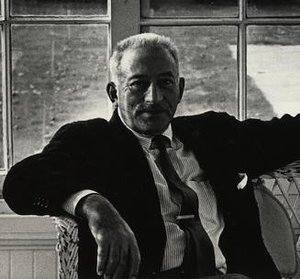
Adolph Gottlieb
1903 - 1974 , USA
Základné informácie
- Artistic Movement Or Style: Abstraktná expresionizmus
- Artists Or Movements Influenced By This Artist: ['Americký ekspresionizmus']
- Artists Who Influenced This Artist:
- Konštruktivism
- Surrealizmus
- Date Of Birth: 14. marec 1903
- Full Name: Adolph Gottlieb
- Nationality: Američan
- Notable Artworks:
- Pictographs
- Burst Paintings
- Signs
- Place Of Birth: New York City, USA
Súvisiace články
Lyrical Abstraction: The Emotional Power of Color and Form in Modern Art History
Explore the profound emotional depth of Lyrical Abstraction. Discover how masters like Raymond Parker used color and form to bridge Impressionism and Abstract Expressionism. Learn about this pivotal movement through our expert-led art history guide.

Top 10 majstrovských diel abstraktného expresionizmu pre váš domov | OriginalUniqueArt.com
Ponorte sa do sveta abstraktného expresionizmu s Pollockom, Rothkom a ďalšími majstrami. Objavte príbehy za 10 ikonických diel, techniky a farby, ktoré definovali toto revolučné umenie. Kvalitné reprodukcie na OriginalUniqueArt.com.
Beyond the Lines: Mastering the High-Impact World of Contemporary Abstraction
Master the high-impact world of contemporary abstraction. Discover how bold colors, textures, and modern movements like Abstract Expressionism can transform your space with premium, high-energy art curated for the design-conscious professional.
The Soul of Color: A Journey into the Emotional Resonance of Lyrical Abstraction
Embark on a cultural journey through Lyrical Abstraction. Explore how masters like Kandinsky used color and motion to translate emotion into visual poetry. Discover the profound beauty of abstract expressionism and learn to curate emotional resonance in your own art collection.

Wassily Kandinsky: Top 25 diel pre milovníkov umenia a dokonalý dizajn interiéru
Ponorte sa do sveta Wassilyho Kandinského s OriginalUniqueArt.com! Objavte top 25 diel abstraktného umenia, expresionizmu a farebných kompozícií. Kúpiť reprodukcie obrazov pre dokonalý dizajn interiéru. Explore the full collection online.