

A Habsburg Legacy: Unveiling the Albertina’s Enduring Allure
Nestled within the heart of Vienna's historic Innere Stadt, the Albertina is more than just a museum; it’s a living testament to centuries of artistic patronage, dynastic ambition, and an unwavering fascination with the art of the graphic. Founded as a palace for Duke Albert Casimir in 1805, its very foundations whisper tales of emperors and dukes, transformations from formidable fortress walls into opulent spaces designed for both residence and the celebration of visual artistry. The building’s evolution mirrors the remarkable collection housed within – a breathtaking journey through time, beginning with the meticulous detail of medieval masters and culminating in the daring experimentation of contemporary artists. A truly unique architectural layering, the Albertina stands as a powerful symbol of Vienna's enduring legacy as a center for artistic innovation and its profound commitment to preserving some of the world’s most treasured drawings and prints.
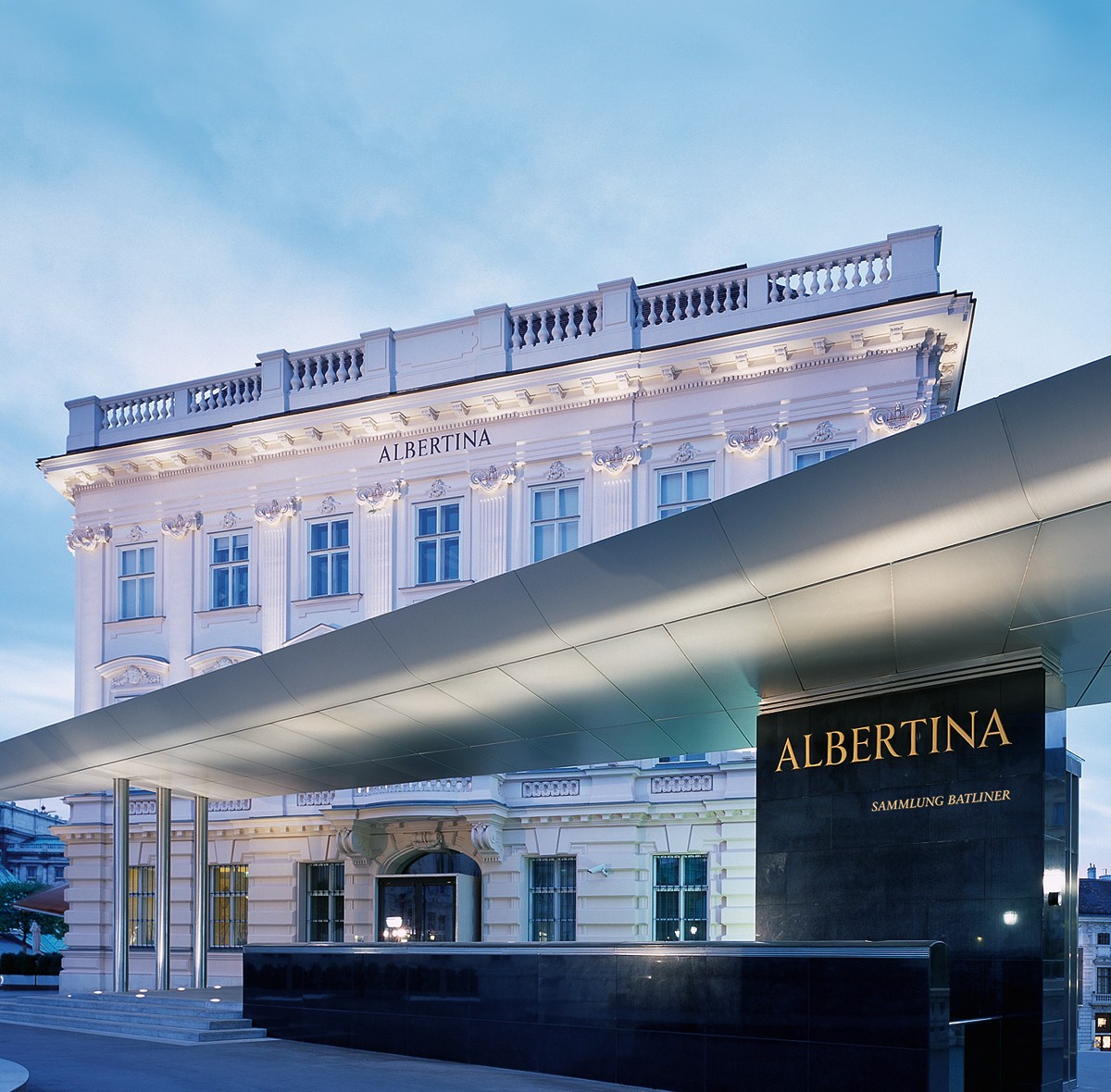
The story of the Albertina begins with Emanuel Teles Count Silva-Tarouca, who initiated ambitious renovations in 1805, transforming the original palace structure. However, it was Hans Hollein's transformative roof design, completed in 2008, that truly cemented the museum’s place as a modern architectural marvel. This bold statement – a dramatic cascade of titanium panels – isn’t merely a functional element; it’s an assertive declaration of the Albertina’s role as a vibrant, forward-looking cultural institution, juxtaposing elegantly with Vienna's historic Habsburg heritage. The building itself is a masterpiece, originally conceived as a grand residence before being reimagined as a public sanctuary dedicated to the exquisite beauty and technical mastery of printmaking. The juxtaposition of Baroque grandeur and Neoclassical restraint creates a compelling narrative – a visual echo of the artistic movements it so meticulously preserves.
A Treasury of Artistic Masterpieces
At its core lies an astonishing repository: approximately 65,000 drawings and over one million old master prints. This isn’t simply a vast quantity; it's a carefully curated universe of artistic mastery, spanning centuries and continents. The collection is renowned for its exceptional depth and breadth, showcasing works by some of history’s most influential artists. One immediately recognizes the profound influence of Albrecht Dürer – his “large clumps of grass,” a deceptively simple work, revealing an unparalleled understanding of observation and engraving technique. Equally captivating are Pisanello's lavish depictions of 15th-century life in "The Luxury," rendered with breathtaking precision and detail, offering a glimpse into the opulent world of the Italian courts. Beyond these iconic works, the Albertina boasts an impressive array of masterpieces by Michelangelo, Raphael, Rembrandt, Titian, and countless others – a testament to its commitment to representing the full spectrum of European artistic achievement.
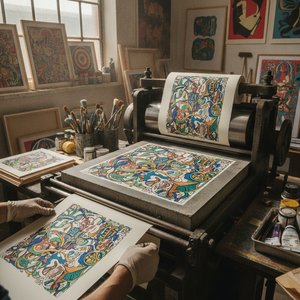
The collection isn’t confined to the past; it breathes with vitality through centuries of artistic evolution. You can witness the artist's process unfold before your eyes: preliminary sketches revealing initial ideas, studies demonstrating explorations of form and composition, and finished prints exemplifying technical virtuosity. The Albertina offers a rare opportunity not just to *see* these works, but to understand *how* they came to be – a truly immersive experience for any art lover.
A Tripartite Tapestry: Exploring Art Across Three Distinct Venues
What truly distinguishes the Albertina is its unique structural design – an institution comprised of three interconnected locations, each offering a distinct and enriching experience. The main museum on Albertinaplatz provides a comprehensive overview of art history, tracing its evolution from medieval masterpieces to 19th-century paintings. Albertina Modern, housed in the former Austrian Museum for Applied Arts, is dedicated exclusively to contemporary and 20th-century art, serving as a dynamic platform for emerging artists and challenging established perspectives. Finally, Albertina Klosterneuburg, located just outside Vienna, showcases works from the Batliner Collection – a treasure trove of post-1945 art that further expands the museum’s reach and provides visitors with a diverse range of artistic experiences.
This tripartite structure allows for a more nuanced exploration of art history, catering to a wide range of tastes and interests. The integration of these spaces creates a dynamic flow, encouraging visitors to consider how artistic styles have evolved and influenced one another across time periods – a truly remarkable way to experience the breadth and depth of human creativity.
Notable Exhibitions & Architectural Significance
The Albertina consistently engages audiences with groundbreaking displays through its regular hosting of exhibitions that illuminate both its permanent collection and temporary acquisitions. Currently, a captivating retrospective on Albrecht Dürer showcases the breadth and depth of his genius – an opportunity to delve into the mind of one of the Renaissance’s most celebrated artists. Upcoming exhibitions promise to explore the evolution of printmaking techniques, the influence of contemporary art on traditional forms, and the fascinating interplay between architecture and artistic expression. The building itself continues to evolve, reflecting the museum's commitment to innovation and engagement. Architecturally, the Albertina embodies the spirit of dynastic patronage and its role in shaping Viennese culture – a strategic stronghold throughout Austrian history, now transformed into a beacon of artistic enlightenment.
The Albertina’s story began with Emanuel Teles Count Silva-Tarouca initiating renovations in 1805, followed by Hans Hollein’s transformative roof design completed in 2008 – a bold statement of modernist ambition against the backdrop of Vienna’s historic Habsburg heritage. It remains a powerful symbol of artistic dedication and a vital part of Vienna's cultural landscape.