Дворец, сотканный из власти и красоты
Величественно возвышаясь на южном берегу Арно, сразу за легендарным Понте-Веккьо, Палаццо Питти — это гораздо больше, чем просто хранилище художественных сокровищ; это живой палимпсест, многословная летопись, запечатленная в камне и холсте на протяжении столетий. Первоначально задуманный в середине XV века как дерзкое заявление банкира Луки Питти — человека, стремившегося затмить даже могущественных Медичи, — суровый фасад дворца скрывает подлинно роскошный мир, заключенный в его стенах. То, что начиналось как частная амбиция, продиктованная жаждой богатства и влияния, со временем перешло во владение династии Медичи, которая превратила это сооружение в грандиозный символ семейного господства. Под руководством Козимо I де Медичи дворец претерпел драматическую метаморфозу, расширившись благодаря архитектурному гению Бартоломео Амманнати, что позволило создать монументальный внутренний двор и боковые крылья, определяющие его узнаваемый силуэт и сегодня. Прогуливаясь по этим залам, вы словно прослеживаете смену судеб флорентийских династий: от амбициозных банкиров до великих герцогов и, в конечном итоге, королей Италии.
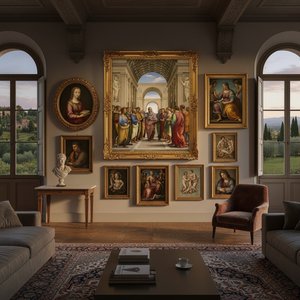
В самом сердце этого архитектурного чуда находится Палатинская галерея — настоящая шкатулка с драгоценностями, хранящая шедевры XVI и XVII веков, которые когда-то украшали личные покои Медичи. Шаг в эту галерею подобен погружению в призрачный мир Ренессанса, где сама планировка отражает идеалы гармонии и пропорции той эпохи. Здесь диалог между различными художественными школами ощущается почти физически: яркие полотна Тициана взрываются красками и драматизмом венецианской жизни, в то время как композиции Рафаэля излучают неземную грацию, воплощающую идеал красоты Высокого Возрождения. Галерея — это не просто собрание отдельных произведений, а тщательно выстроенная среда, где свет стратегически используется для того, чтобы подчеркнуть тончайшие детали, обнажая глубокую взаимосвязь всего искусства Ренессанса. Для коллекционера или ценителя прекрасного это пространство предлагает беспрецедентную близость к мастерам, создавая ощущение, будто вы стоите в присутствии самих Медичи, созерцая саму суть эстетического совершенства.
Помимо захватывающих дух полотен, Палаццо Питти предлагает чувственное путешествие сквозь вершины флорентийского мастерства и аристократического образа жизни. Сокровищница Великих герцогов ослепляет непревзойденным демонстрацией богатства: искусно сделанная серебряная посуда, вазы из драгоценных камней и церемониальные доспехи свидетельствуют о неустанном стремлении к роскоши. Это чувство величия распространяется и на Музей костюма и моды, который дает осязаемую связь с социальными обычаями прошлых эпох. От сложных придворных платьев, украшенных мерцающим шелком и замысловатой вышивкой, до театральных костюмов, некогда наполнявших залы дворца, — коллекция демонстрирует, как мода служит зеркалом более широких культурных сдвигов. Для дизайнеров интерьера и тех, кто обладает глазом на изысканные детали, музей служит бесконечным источником вдохновения, показывая, как текстура, узор и материал могут использоваться для передачи статуса и артистизма.
Кульминацией впечатлений от Палаццо Питти становятся раскинувшиеся Сады Боболи — необычайный пример ландшафтного искусства итальянского Ренессанса, выступающие в роли зеленого продолжения самого дворца. Спроектированные как пространство одновременно для созерцания и театрального представления власти, сады пронизаны фонтанами, ниспадающими в скульптурные бассейны, и статуями, вдыхающими жизнь в мифологические аллегории. Прогулка по этим ухоженным тропам подобна перемещению внутрь живой фрески, где искусство и природа неразрывно переплетаются. От драматичной Гротта Гранде с ее замысловатыми скульптурами и водными эффектами до панорамных видов на флорентийский пейзаж — сады представляют собой вершину ренессансного творчества. В конечном счете, Палаццо Питти остается монументальным местом назначения — пространством, где история, архитектура и искусство сливаются воедино, оставляя неизгладимый след в душе каждого посетителя.