Оплот французской доблести: душа Дома Инвалидов
Расположенный в золотом величии Дома Инвалидов — памятника, который сам по себе дышит самой сутью парижской истории, — Musée de l'Armée представляет собой нечто гораздо большее, чем просто хранилище оружия. Это глубокая, всеобъемлющая хроника непреходящей связи Франции с конфликтами, инновациями и национальной идентичностью. Переступить его порог — значит отправиться в путешествие сквозь века, где эхо римских легионерских доспехов встречается с отполированным блеском наполеоновских мундиров. Музей служит тщательно выверенным святилищем эволюции французской воинской доблести, местом, где тяжесть стали соприкасается с легкостью духа, приглашая посетителей созерцать сложное полотно человеческих испытаний и триумфов.
Сама архитектура является свидетельством монументальной истории, ведь музей находится в комплексе, который изначально служил домом и госпиталем для престарелых и увечных солдат. Присутствие музея на этом историческом объекте позволяет совершить иммерсивное погружение в легенду о Наполеоне Бонапарте . Залы, посвященные его наследию, являются сокровищницей как стратегического гения, так и человеческой уязвимости: здесь карты масштабных кампаний соседствуют с личными письмами, раскрывающими тревоги целой эпохи. Это исследование империи уравновешивается тонким признанием ее человеческой цены, предлагая перспективу, в которой тяжесть бремени власти столь же значима, как и слава победы.
Шедевры металла и холста
Масштаб коллекции захватывает дух, предлагая чувственный опыт, который выходит за рамки простого исторического документирования. Невозможно не поддаться очарованию трансформации технологий и мастерства, особенно в представленных доспехах эпохи Средневековья и Ренессанса. Это не просто орудия разрушения, а изысканные произведения искусства. Сияющие латы, тщательно созданные в легендарных мастерских Милана и Аугсбурга, соседствуют с мечами настолько тонкой работы, что они отражают эстетические вкусы и социальный статус своих владельцев. Сложная детализация таких предметов, как доспехи Генриха VIII, служит мощным символом королевского престижа, в то время как элегантные изгибы венецианских герцогских кирас демонстрируют мастерство формы, способное соперничать с любой классической скульптурой.
Для ценителя тонких деталей музей предлагает визуальное пиршество беспрецедентного богатства через свои великолепные собрания военного искусства. Коллекция включает в себя:
- Живопись и скульптура: Выразительные произведения, запечатлевшие драму сражений и торжественность самопожертвования, включая монументальную картину Наполеон в образе Юпитера на троне Жана Огюста Доминика Энгра — шедевр неоклассического величия.
-
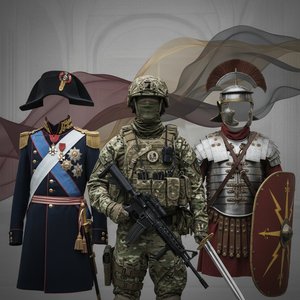
Мундиры и знаки отличия: Окно в социальные структуры и меняющуюся идентичность солдат на протяжении столетий: от пышного придворного платья наполеоновской эпохи до практичного обмундирования Великой войны. - Военная инженерия: Внушительные пушки на Главном дворе, представляющие собой монументальные достижения инженерной мысли, которые когда-то господствовали на полях сражений Европы.
Работы таких художников, как Жан-Батист Эдуар Детайль , прославленного своими реалистичными батальными сценами и тщательным вниманием к деталям униформы, придают галереям кинематографическое качество. Через реконструированные диорамы и выразительные экспозиции музей создает среду, позволяющую любителям искусства и историкам воедино увидеть непреходящее наследие мужества и вечный поиск мира в самом сердце Парижа.