Меню
БЕСПЛАТНАЯ КОНСУЛЬТАЦИЯ ПО ИСКУССТВУ

Монастырь Сан-Лоренцо

Основные сведения

  • Alternate names: Monasterio de El Escorial
  • Historical periods: ренессанс
  • Works on APS: 16
  • Art types:
    • другие
    • настенное искусство
  • Развернуть подробности
  • Mediums:
    • масло на панели
    • масло на холсте
  • Featured artists:
    • Тициан
    • Hieronymus Bosch
    • Еронимий Босх
    • Titian
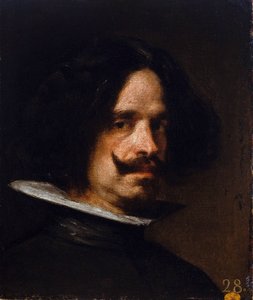
    • Diego Velázquez
  • Location: Эскориал, Испания

Викторина по искусству

В каждом вопросе только один правильный ответ.

Вопрос 1:
Как называется этот исторический памятник?
Вопрос 2:
В каком веке был построен Эскориал?
Вопрос 3:
Кто является главным архитектором Эскориала?
Вопрос 4:
Какой стиль архитектуры используется при строительстве Эскориала?
Вопрос 5:
Что является основным символом Эскориала?

Monasterio de El Escorial – A Monumental Testament

El Escorial stands as an unparalleled testament to the grandeur of the Spanish Renaissance, a complex that transcends mere architecture and embodies the spirit of its era—a fusion of royal ambition, religious devotion, and artistic innovation. Commissioned by King Philip II in 1563, this monumental site wasn’t simply built; it was conceived as a symbol of Spain's power and piety, reflecting the king’s desire to secure his legacy and establish himself as one of Europe’s foremost rulers. Located atop Mount Abantos overlooking Madrid, El Escorial’s dramatic setting underscores its significance as both a royal palace and a monastery—a singular achievement that continues to inspire awe centuries later.
  • Architectural Marvel: Juan Bautista de Toledo spearheaded the project, drawing inspiration from Italian Renaissance principles while crafting a distinctly Spanish style – Herrerian architecture characterized by geometric precision and robust granite construction. This austere aesthetic served as a deliberate counterpoint to the opulent Baroque styles prevalent at the time, prioritizing solidity and order above flamboyant decoration.
  • A Royal Pantheon: The mausoleum housing the remains of Charles V, Isabella of Portugal, Philip II, and his successors is a poignant reminder of Spain’s dynastic history—a testament to the enduring power of royal patronage and artistic excellence. Its soaring vaulted ceilings and intricate sculptures convey a profound sense of solemnity and reverence.
  • Artistic Treasures: El Escorial's collection boasts masterpieces by luminaries such as Titian, El Greco, Luca Giordano, Claudio Coello, and Ribera—artists who captured the essence of their time through breathtaking canvases that explore themes of faith, martyrdom, and royal grandeur. The Basilica’s altarpieces are particularly noteworthy, showcasing the artistic prowess of the Spanish Renaissance.
  • The Biblioteca Real: Founded by Philip II, this library houses an extraordinary assemblage of manuscripts and books—a repository of knowledge intended to bolster Spain's intellectual pursuits and solidify its position as a beacon of learning in Europe. Its vaulted ceiling depicts the seven liberal arts, symbolizing the humanist ideals that underpinned the Renaissance spirit.
  • A Legacy Enduring Through Time: Today, El Escorial welcomes visitors from around the globe eager to immerse themselves in its history and admire its artistic treasures—a place where art, architecture, and spirituality converge to create an unforgettable experience—a monument that continues to captivate imaginations and inspire contemplation.
## The Basilica – A Symphony of Faith and Art The Basilica stands at the heart of El Escorial’s architectural grandeur, embodying the spiritual aspirations of Philip II and his reign. Designed by Juan Bautista de Toledo, it exemplifies Herrerian style—characterized by its monumental scale, geometric precision, and restrained ornamentation—a deliberate contrast to the exuberant Baroque trends dominating Europe during that period. The basilica's cruciform plan reflects Christian symbolism, emphasizing divine authority and spiritual devotion.
  • Magnificent Altarpieces: Elaborate altarpieces crafted by renowned artists adorn the interior walls, depicting biblical scenes and saints—a testament to the artistic skill of the Spanish Renaissance and its profound engagement with religious iconography.
  • Sculptural Masterpieces: Sculptors meticulously sculpted figures representing monarchs and saints—creating a visual narrative that underscores Spain’s royal heritage and celebrates Christian piety.
  • Light and Atmosphere: The basilica's soaring vaulted ceilings bathe the space in ethereal light—enhancing its solemn atmosphere and fostering contemplation—a deliberate artistic choice designed to inspire awe and reverence among worshippers.
## Royal Palace – Power and Elegance Reflected in Stone The Royal Palace, adjacent to the Basilica, embodies the regal splendor of Philip II’s reign—a symbol of royal authority and opulent lifestyle. Constructed primarily from granite, it reflects Herrerian architectural principles—prioritizing solidity and geometric precision over elaborate decoration—creating a harmonious ensemble that underscores the grandeur of Spanish monarchy.
  • Grand Halls: Spacious halls adorned with frescoes and sculptures convey a sense of regal magnificence—reflecting the lavish tastes of Philip II and his court.
  • Symbolic Decoration: Decorative elements incorporated into the palace’s interiors symbolize royal power and piety—underscoring the multifaceted nature of Philip II's vision for El Escorial.
  • Panoramic Views: Situated atop Mount Abantos, the palace offers breathtaking panoramic vistas overlooking Madrid—enhancing its prestige as a symbol of Spanish dominion and artistic excellence.
## The Biblioteca Real – A Sanctuary of Knowledge The Royal Library stands as a testament to Philip II’s intellectual pursuits—a repository of manuscripts and books intended to bolster Spain's scholarly reputation in Europe. Its vaulted ceiling depicts the seven liberal arts, symbolizing humanist ideals that underpinned the Renaissance spirit—a deliberate artistic choice designed to inspire contemplation and foster learning.
  • Rare Manuscripts: The library houses an exceptional collection of rare manuscripts—representing a cornerstone of European scholarship during the Renaissance.
  • Decorative Ceiling Painting: Pellegrino Tibaldi’s ceiling painting portrays the seven liberal arts—creating a visual masterpiece that embodies humanist ideals and celebrates intellectual curiosity.
  • Atmosphere of Reverence: The library's tranquil ambiance fosters contemplation and inspires awe—reflecting the solemn atmosphere characteristic of El Escorial as a monastery dedicated to scholarly pursuits.
## Legacy and Reflection – An Enduring Symbol of Spain’s Artistic Heritage El Escorial remains an enduring symbol of Spain’s artistic heritage—a monument that transcends its historical context and continues to captivate visitors from around the globe. Its architectural grandeur, coupled with its unparalleled collection of artworks—reflecting the brilliance of the Spanish Renaissance—solidifies El Escorial's place among Europe’s most treasured cultural landmarks. A visit to El Escorial offers an opportunity to immerse oneself in a bygone era—to contemplate the legacy of Philip II and appreciate the enduring power of art and architecture to inspire awe and wonder."