Balliol College – Oxford’s Enduring Legacy
Balliol College stands as a beacon of scholarly tradition in Oxford’s historic heart—a place where centuries of intellectual pursuit have shaped the very fabric of British culture and continue to inspire generations. Founded in 1263 by John I de Balliol, its origins are steeped in legend, recounting tales of noble ambition intertwined with dramatic political upheaval.
- A Founding Myth: The story goes that John I’s abduction of Bishop Walter of Kirkham sparked a furious dispute over land rights, culminating in the bishop’s public humiliation and Balliol’s subsequent pledge to establish a university dedicated to fostering knowledge. This narrative underscores the college's commitment to intellectual rigor from its earliest days.
- Medieval Architecture: The College’s buildings—primarily located on Broad Street—bear witness to successive architectural styles, beginning with formidable medieval fortifications that evolved into grand Tudor halls and later Victorian additions. The Dining Hall, erected in 1837, exemplifies the Victorian taste for ornate decoration and reflects Oxford's transformation during the Industrial Revolution.
- The Jowett Walk Campus: Situated east of Broad Street, Jowett Walk houses Holywell Manor—the College’s residential building—and is home to a vibrant student community. Its serene gardens provide a tranquil backdrop to scholarly activity and contribute to Balliol's distinctive atmosphere.
Academic Excellence – Pioneering Thought
Balliol distinguishes itself as one of Oxford’s foremost institutions for fostering intellectual innovation. Notably, it spearheaded the development of the Philosophy, Politics, and Economics (PPE) degree in 1920—a program that continues to cultivate leaders equipped with critical thinking skills and a commitment to addressing complex societal challenges.
- The PPE Tradition: The PPE curriculum emphasizes interdisciplinary study, encouraging students to grapple with philosophical questions alongside political analysis and economic considerations. Graduates from Balliol have gone on to achieve prominence in diverse fields—from academia to government and journalism.
- The 24/7 Library: Balliol’s library boasts an unparalleled collection of scholarly resources—spanning ancient texts to contemporary research publications—providing students with the tools they need to pursue their intellectual passions. Its open hours cater to students' schedules, fostering a culture of continuous learning.
A Treasure Trove of History – Manuscripts and Memorabilia
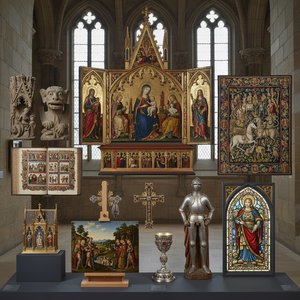
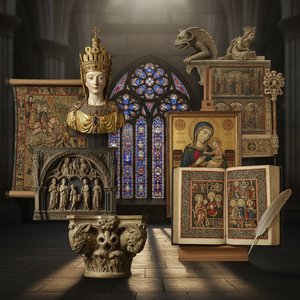
Beyond its architectural grandeur and modern facilities lies Balliol’s extraordinary repository of historical artifacts—primarily medieval manuscripts that offer invaluable insights into Oxford’s formative years. These fragile pages hold not merely information but the very essence of a bygone era: meticulous calligraphy, intricate illuminations, and the palpable weight of centuries past.
- Medieval Manuscripts: Balliol’s collection includes texts from prominent monastic orders—such as Salisbury Cathedral—and chronicles documenting significant events in English history. Scholars meticulously examine these manuscripts to reconstruct the intellectual landscape of medieval Oxford.
- Notable Alumni – Shaping Nations: The College's alumni roster reads like a who’s who of influential figures—including thirteen Nobel Prize winners, four British Prime Ministers (Harold Macmillan among them), and luminaries such as Gerard Manley Hopkins—demonstrating Balliol’s enduring capacity to attract exceptional individuals.
Distinguished Legacies – Beyond the Walls
The impact of Balliol College extends far beyond its campus boundaries. Its graduates have consistently shaped the course of British history and culture, advocating for social justice, advancing scientific understanding, and inspiring artistic creativity.
- Nobel Laureates: Balliol alumni have earned recognition in diverse fields—physics, chemistry, medicine, literature, economics—contributing to breakthroughs that have transformed our comprehension of the natural world and human behavior.
-
Prime Ministers:
Former Prime Ministers Harold Macmillan and Clement Attlee attended Balliol College, shaping British policy during pivotal moments in the 20th century. Their leadership exemplified Balliol’s commitment to civic engagement and public service.
A Living Community – Tradition Meets Innovation
Today, Balliol College thrives as a vibrant hub of intellectual curiosity—a place where students engage in stimulating discussions, explore diverse interests, and forge lifelong friendships. Its residential buildings foster a supportive environment conducive to personal growth and academic achievement.