Меню
БЕСПЛАТНАЯ КОНСУЛЬТАЦИЯ ПО ИСКУССТВУ

Мэри Белл

1633 - 1699

Краткая справка

  • Born: 1633, Суффолк, Великобритания
  • Works on APS: 38
  • Creative periods: mature period
  • Died: 1699
  • Movements: baroque
  • Museums on APS:
    • Art Gallery of South Australia
    • Art Gallery of South Australia
    • Art Gallery of South Australia
    • Art Gallery of South Australia
    • Art Gallery of South Australia
  • Copyright status: Public domain
  • Развернуть подробности
  • Art period: Раннее Новое время
  • Nationality: Великобритания
  • Lifespan: 66 years
  • Top 3 works:
    • Mary Wither of Andwell
    • Portrait of a Mathematician
    • Charles II (1630–1685)
  • Top-ranked work: Mary Wither of Andwell
  • Also known as: Мэри Крэдок

Тест по искусству

В каждом вопросе только один правильный ответ.

Вопрос 1:
Кто был первым художником, вдохновившим Мэри Билл?
Вопрос 2:
Какую роль сыграл Чарльз Бигл в профессиональной карьере его жены?
Вопрос 3:
В каком стиле была наиболее сильно вдохновлена работа Мэри Билл?
Вопрос 4:
Что было особенно необычным для финансовой независимости Мэри Билл в эпоху ранней современной риторики?
Вопрос 5:
Как назывался дневник Чарльза Бигла о повседневной жизни его жены?

Mary Beale (1633–1699): A Life Illuminated

Born in the quiet Suffolk rectory of Barrow in late March 1633, Mary Cradock entered a world where artistic inclination was considered an acceptable pastime, but a profession for a woman remained largely uncharted. Her father, John Cradock, a rector with a painter’s hand himself, provided her initial grounding in the arts—a fortunate circumstance that would shape her destiny. Growing up near Bury St Edmunds, young Mary likely encountered established artists like Peter Lely and Matthew Snelling, absorbing influences that would later blossom into her own distinctive style. This early exposure to the burgeoning London art scene planted a seed of ambition within her, even as societal expectations sought to confine her talents to the domestic sphere. The loss of her mother at age ten brought hardship, but also a strengthened bond with her father and an increased focus on artistic pursuits as a source of solace and expression.

Early Influences and Artistic Training

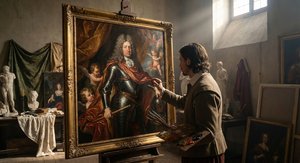
Little is known about Mary Beale’s formal artistic training—she appears to have honed her skills largely through observation and imitation. However, her father's encouragement undoubtedly fostered her passion for painting. Her surroundings exposed her to the vibrant artistic culture of London, where artists like Peter Lely were actively shaping the visual landscape of the era. Notably, she befriended Sir Peter Lely—a court painter who served Charles II—and he observed Lely in his studio—a rare privilege—copying many of his portraits and adopting his technique as a model for her own artistic endeavors. This formative experience instilled in her a deep appreciation for Baroque aesthetics and established the foundation for her future stylistic development.

Marriage, Family Life, and Studio Establishment

In 1652, Mary married Charles Beale—a civil servant who would become not only her husband but also her indispensable partner in navigating the complexities of a professional life. Theirs was an unusual collaboration for the era—a true partnership built on mutual respect and shared ambition. The Beales established a home and family, welcoming two sons, Bartholomew and Charles Jr., while simultaneously building Mary’s artistic career. Initially working from their residences in Covent Garden and later Albrook, Hampshire, she began to accept commissions, slowly gaining recognition for her skill. Charles played a pivotal role, managing the practicalities of her studio—preparing materials, handling finances, meticulously recording every detail of her work in his now-famous notebooks. These records offer an invaluable glimpse into 17th-century artistic practice and provide compelling evidence of Mary’s burgeoning success. Her portraits weren't merely likenesses; they were intimate studies of character, capturing the essence of her sitters with a remarkable degree of realism and sensitivity. She specialized in depicting members of her family, friends, local gentry, nobility, and clergy—a diverse clientele that speaks to her growing reputation.

A Portraitist’s Craft: Technique and Patronage

Mary Beale's artistic technique was characterized by careful observation and meticulous rendering, informed by the Baroque tradition. She employed a layered approach, utilizing glazing techniques to achieve luminous colors and subtle tonal variations—a hallmark of Lely’s style and a testament to her dedication to mastering the craft of portraiture. Her palette favored warm hues—particularly reds and yellows—creating canvases that radiated warmth and vitality. Furthermore, Beale secured commissions from influential patrons—including Sir Peter Lely himself—demonstrating her ability to cultivate relationships with prominent figures in the art world and securing financial support for her studio. She also took on students, many of them women—Keaty Trioche and Sarah Curtis—further expanding her artistic influence and contributing to the dissemination of Baroque painting principles.

Legacy and Historical Significance

Mary Beale’s contribution to English portraiture is undeniable—she stands as one of the few female artists who achieved significant renown during the 17th century, challenging societal norms and forging a path for future generations of women creatives. Her meticulous studio notebooks—particularly those documenting Charles Beale's observations—provide invaluable insights into artistic practice and social life in London at the time. The discovery of her work in recent years has reinvigorated scholarly interest in Mary Beale’s life and art, prompting renewed appreciation for her skill and innovation. Her legacy extends beyond her individual achievements; she embodies the spirit of ambition and perseverance—a woman who defied convention and embraced artistic excellence despite formidable obstacles. Her enduring presence on platforms like OriginalUniqueArt ensures that Mary Beale's story continues to inspire audiences worldwide.