Портрет Bertram Nicholls

36 самых известных картин Bertram Nicholls: подборка галереи

Обновлено Ноябрь 2026 · рейтинг на основе нашего показателя популярности (количество поисковых запросов, посещений и заказов для каждой работы) · 39 работ Bertram Nicholls в нашем каталоге

Вкратце

Из всех оригинальных работ, оставленных Bertram Nicholls, самой известной является Bridgnorth, Shropshire (1943) из коллекции Buxton Museum - Art Gallery, Бакстон. Сразу за ними следуют By a Sussex Stream (1926) и Porto Rocco, Orvieto, Italy (1926). В нашем каталоге представлено 39 работ Bertram Nicholls; галерея сохранила 36 самых почитаемых в мире произведений, каждое из которых сопровождается датой создания, информацией о музее и своей историей.

1883 – 1974 Contemporary realism Больше всего работ: The National Trust For Scotland

10 лучших картин Bertram Nicholls: выбор галереи

1
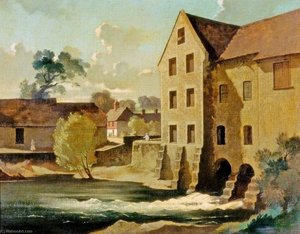
Bridgnorth, Shropshire (1943) работы Bertram Nicholls

Bridgnorth, Shropshire

1943 · Buxton Museum - Art Gallery, Бакстон

The painting Bridgnorth, Shropshire by Bertram Nicholls is a captivating representation of a quaint town in the English countryside. Created in 1943, this oil on canvas piece measures 54 x 76 cm and is currently housed at the Buxton Museum - Art Gallery in Buxton, United Kingdom. The scene features a picturesque town situated near a river with a bridge crossing it, surrounded by lush greenery and charming buildings. Composition…

5
Pitigliano (1926) работы Bertram Nicholls

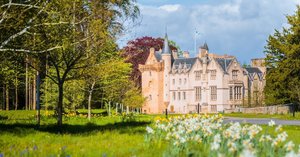
Pitigliano

1926 · Oil · The National Trust For Scotland, Форрес

In the quiet, evocative strokes of Bertram Nicholls’ 1926 masterpiece, Pitigliano, we are transported to a world where history breathes through the very architecture of the landscape. The painting captures the enchanting Italian town of Pitigliano, famously carved into the volcanic tuff rock, presenting a scene that feels less like a mere depiction and more like a rediscovered memory. At the heart of the composition stands a formidable stone castle,…

6
Washing in a Stream at Gouda (1928) работы Bertram Nicholls

Washing in a Stream at Gouda

In the quietude of 1928, Bertram Nicholls captured a moment of profound stillness in his evocative work, Washing in a Stream at Gouda. This painting invites the viewer into a pastoral dreamscape where the boundaries between human presence and the natural world seem to dissolve. At its heart, the composition centers on a gentle stream flowing beneath a weathered stone bridge, a structure that speaks of time's passage and the…

Подборка Bertram Nicholls продолжается, с 11 по 36

Сюжеты, которые вдохновляли Bertram Nicholls

Четыре темы, которые чаще всего встречаются в этих оригиналах, каждая из которых представлена своим лучшим образцом.

Музеи, в которых хранятся оригиналы работ Bertram Nicholls

8 музеев, в которых находится большинство картин со страницы.

Музей Город Работы Bertram Nicholls Картины из этого списка
The National Trust For Scotland, ФорресThe National Trust For Scotland Форрес 3 Pitigliano, A Mountain Village, Philippe le Bel's Tower
Buxton Museum - Art Gallery, БакстонBuxton Museum - Art Gallery Бакстон 2 Bridgnorth, Shropshire, Wilton Bridge, Ross on Wye, Herefordshire
Harris Museum - Art Gallery, ПрестонHarris Museum - Art Gallery Престон 2 By a Sussex Stream, Ragusa
Бристольский музей и художественная галерея, БристольБристольский музей и художественная галерея Бристоль 2 Washing in a Stream at Gouda, Assisi
Government Art Collection, ЛондонGovernment Art Collection Лондон 2 Le mammelle d'Italia, Lambeth Bridge
Guildhall Art Gallery, ЛондонGuildhall Art Gallery Лондон 1 Porto Rocco, Orvieto, Italy
Maidstone Museum - Bentlif Art Gallery, МейдстонMaidstone Museum - Bentlif Art Gallery Мейдстон 1 San Giovanni Nepomuceno
Touchstones Rochdale, РочдейлTouchstones Rochdale Рочдейл 1 Easby Abbey, Richmond, North Yorkshire

Bertram Nicholls по десятилетиям: оригиналы, определяющие каждую эпоху

Произведения по десятилетиям

Выберите десятилетие, чтобы увидеть шедевр, определяющий его.

Вопросы коллекционеров о картинах Bertram Nicholls

Какая работа Bertram Nicholls наиболее известна?Узнать ответ

Bridgnorth, Shropshire (1943), Buxton Museum - Art Gallery, Бакстон. Далее следуют By a Sussex Stream (1926) и Porto Rocco, Orvieto, Italy (1926).

Сколько лет было Bertram Nicholls, когда была создана работа Bridgnorth, Shropshire?Узнать ответ

60 лет: Bridgnorth, Shropshire датируется 1943 годом, а Bertram Nicholls родился в 1883.

Какие десять самых известных картин написал Bertram Nicholls?Узнать ответ

Bridgnorth, Shropshire, By a Sussex Stream, Porto Rocco, Orvieto, Italy, Goodrich Village, Herefordshire, Pitigliano, Washing in a Stream at Gouda, Picturesque Steyning, Drying the Sails, Steyning Church, Sussex и The Bridge. В рейтинге выше указаны год создания и музей для каждой работы.

Сколько картин оставил(а) Bertram Nicholls?Узнать ответ

В нашем каталоге представлено 39 работ Bertram Nicholls, созданных в период с 1914 по 1949.

В каких музеях представлены шедевры Bertram Nicholls?Узнать ответ

В основном в The National Trust For Scotland (Форрес), Buxton Museum - Art Gallery (Бакстон) и Harris Museum - Art Gallery (Престон). В таблице выше перечислены все музеи.

В какие годы Bertram Nicholls написал свои самые известные работы?Узнать ответ

В 1920s: 16 из 36 работ на этой странице были созданы в этот период, By a Sussex Stream из них.

Каковы первые и последние известные оригинальные работы Bertram Nicholls?Узнать ответ

На этой странице самая ранняя работа датирована Picturesque Steyning (1914), а самая поздняя — Lambeth Bridge (1949).

Какие сюжеты Bertram Nicholls выбирал чаще всего?Узнать ответ

Bridge (2), People (2) и Dog (2) в 36 работах на этой странице.

К какому художественному направлению относится Bertram Nicholls?Узнать ответ

Contemporary realism, судя по оригиналам на этой странице.

Какие работы Bertram Nicholls представлены в The National Trust For Scotland?Узнать ответ

Pitigliano, A Mountain Village и Philippe le Bel's Tower: в коллекции The National Trust For Scotland, Форрес находится 3 работ со страницы.

Bertram Nicholls: жизнь и творчество

The Quiet Observer: The Life and Legacy of Bertram Nicholls

Born in the industrious heart of Didsbury, Manchester, on September 26th, 1883, Bertram Nicholls emerged as a painter of profound stillness and atmospheric grace. As the youngest child of William Andrews Nicholls, a local fruit merchant, and Mary Allen, his early years were rooted in the steady rhythms of Northern English life. His journey toward artistic mastery began at the Manchester Grammar School, but it was his subsequent enrollment at the prestigious Slade School of Fine Art between 1901 and 1904 that would fundamentally reshape his vision. Under the tutelage of Reginald Barber, Nicholls began to move beyond mere representation, seeking instead a deeper connection with the light and tonal harmonies that define the natural world.

The foundations of his style were laid by the giants of British art history. He drew deep inspiration from the meticulous observation found in the works of Joshua Reynolds and the landscape sensibilities of Richard Wilson. These early influences instilled in him a reverence for compositional balance and a sophisticated understanding of how light interacts with texture. His formative years were further enriched by encounters with the Staithes Group, particularly Frederick Jackson, whose commitment to plein air painting—the practice of painting directly from nature—encouraged Nicholls to capture the immediate, breathing essence of the British countryside.

A Journey Through Light and Stone

In 1904, a transformative voyage to Madrid introduced Nicholls to the profound complexities of Baroque mastery. Immersing himself in the works of Diego Velázquez, he developed an acute sensitivity to the rendering of light and the structural integrity of composition. This Spanish influence would later manifest in his ability to imbue even the most tranquil landscapes with a sense of monumental presence. Upon returning to England, Nicholls’ work began to reflect a unique synthesis of styles; he absorbed the innovative color palettes of Whistler and the atmospheric grandeur of Turner, blending them into a personal language characterized by understated beauty and quietude.

His travels across Europe provided him with an endless repertoire of subjects, from the rugged, sun-drenched architecture of Italy to the pastoral serenity of the Netherlands. In his 1926 masterpiece, Pitigliano, one can witness his ability to turn stone into memory, capturing an Italian town carved from volcanic tuff with a tactile precision that makes the ancient masonry feel almost palpable. Similarly, in works such as Washing in a Stream at Gouda (1928), he achieved a rare dissolution of boundaries between human presence and the natural world, using soft, painterly brushstrokes to evoke the misty, restorative solitude of a Dutch landscape.

The Resilience of Vision

The trajectory of Nicholls’ life was not without its interruptions by the turbulence of history. During the First World War, he served in the Kite Balloon Service of the Royal Flying Corps. This period of aerial reconnaissance offered him a unique, panoramic perspective on the landscape—a view from above that likely deepened his understanding of spatial relationships and the sweeping contours of the earth. This experience of observing the world from a detached, soaring height may have contributed to the sense of peaceful, observational distance found in his later landscapes.

Throughout his long life, which concluded in 1974, Nicholls remained dedicated to the pursuit of the "quiet landscape." His oeuvre stands as a testament to the power of subtle emotion and the enduring beauty of the everyday. Whether depicting a sun-dappled quay in Italy or a muted, impressionistic stream in Sussex, his work continues to resonate with those seeking a moment of respite. His historical significance lies in his ability to bridge the gap between the rigorous traditions of the Slade School and a modern, emotive approach to light, ensuring that his paintings remain timeless windows into a world of profound peace.