
 Поделиться
 Поделиться
 Детали произведения

 Скачать
 Похожие работы
 Слайд-шоу
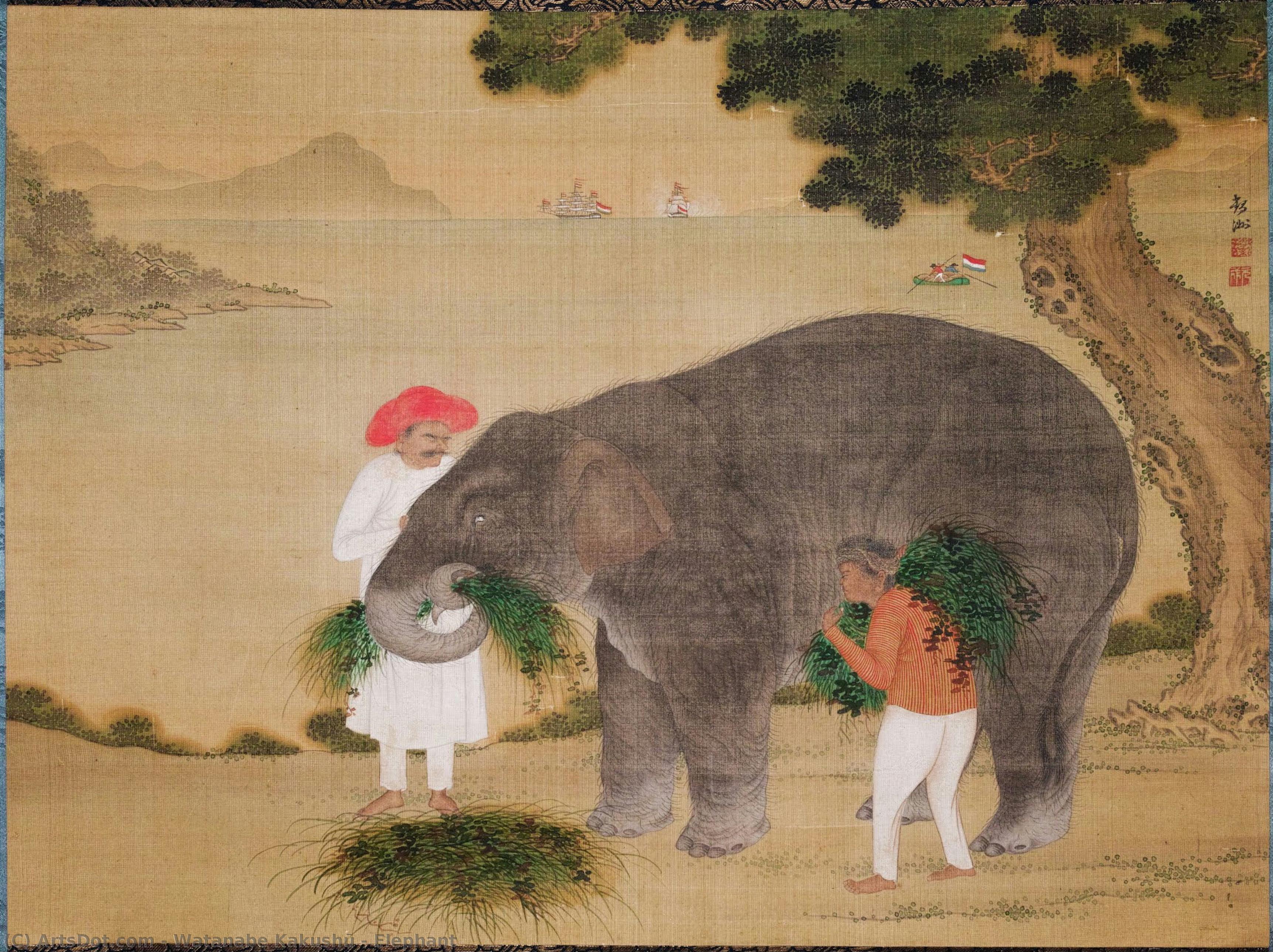
Elephant
 Silk
Silk- Textile
- Shin-hanga
 19th Century
 56.0 x 42.0 cm
 Kobe City Museum
 Читать далее
Приобретите цифровое изображение высокого разрешения в улучшенном качестве, которое значительно превосходит онлайн-превью.
Каждый файл тщательно подготавливается нашими специалистами с использованием передовых инструментов и экспертной ручной ретуши. Мы гарантируем исключительную четкость, точную цветопередачу и детальную проработку каждого изображения.
Финальный файл доставляется по электронной почте в течение 72 часов и оптимизирован для немедленного использования в профессиональной среде, при верстке и печати. Это тот же уровень качества, которому доверяют ведущие дизайнерские студии, издательства и галереи.
Цифровое изображение
Скачайте файл высокого разрешения для личного использования, печати и творческих проектов. ( Купить принт Купить картину ручной работы)
Включено в каждый заказ цифровых изображений
Гарантия экспертной цифровой доставки
Выбирая OriginalUniqueArt.com, вы получаете не просто изображение — вы приобретаете профессионально обработанное цифровое произведение искусства, созданное с безупречной точностью и под защитой гарантии качества. Вот всё, что автоматически входит в ваш заказ:

Мгновенная доставка по e-mail
Ваш цифровой файл в высоком разрешении будет отправлен вам по электронной почте в течение 72 часов после оформления заказа — и сразу станет доступен для использования.

Цифровой файл с ИИ-улучшением
Ваше произведение искусства проходит профессиональную оптимизацию с использованием передовых инструментов ИИ и ручной обработки, что гарантирует максимальную детализацию, четкость и точность цветопередачи.

Бессрочная бесплатная повторная доставка
Случайно удалили или потеряли файл? Не беспокойтесь — мы отправим его вам повторно в любое время и совершенно бесплатно.

Без импортных пошлин — навсегда
Наслаждайтесь вашим произведением искусства мгновенно без таможенных пошлин, сборов или затрат на доставку — цифровые загрузки всегда не облагаются налогом.

Гарантия точности цветопередачи
Мы гарантируем, что ваше цифровое изображение максимально точно передает оригинальные цвета благодаря использованию профессиональных инструментов и систем управления цветом.

Гарантия удовлетворения в течение 60 дней
Если вы останетесь не удовлетворены покупкой цифрового изображения, мы внесем в него правки или вернем 100% стоимости в течение 60 дней — без лишних вопросов.

100% Гарантия возврата средств
Не удовлетворены покупкой? Мы гарантируем полный возврат средств в течение 60 дней после получения вашего цифрового файла — без лишних вопросов.

Скидки на оптовые заказы
Купите 3 изображения, сэкономьте 10% — Купите 5, сэкономьте 15% — Купите 10+, сэкономьте 20%. Отличное решение для творческих проектов, галерей и агентств.
Описание коллекции
A Serene Encounter in Silk
In the delicate medium of silk, Watanabe Kakushū captures a moment of profound stillness and connection that transcends time. The artwork, titled Elephant, presents a breathtaking tableau where the grandeur of nature meets the quiet presence of humanity. Two majestic elephants dominate the foreground, their massive forms rendered with a grace that belies their weight. One elephant lifts its trunk in a gesture of gentle curiosity or perhaps a search for sustenance, creating a focal point of life and movement amidst an otherwise tranquil landscape. The composition is masterfully balanced, with figures placed near the animals to provide a sense of scale, grounding the exotic subject matter in a relatable, human context.
The background unfolds like a dream, where a distant boat rests upon a calm body of water, and far-off mountains rise against the horizon. This layering of depth—from the tactile presence of the elephants to the ethereal silhouettes of the peaks—invites the viewer to wander through the scene. The use of silk as a canvas adds an incomparable luminosity to the piece; the fabric catches the light in a way that gives the colors a soft, inner glow, making the greenery and the textures of the animals appear almost alive.
The Mastery of Shin-hanga Tradition
To appreciate this work is to understand the legacy of Watanabe Kakushū and his role within the Shin-hanga movement. This era of Japanese art was characterized by a beautiful synthesis of traditional ukiyo-e techniques and Western influences, such as light, shadow, and perspective. In Elephant, we see this mastery on full display. The artist does not merely document a scene; he interprets it through a lens of atmospheric beauty. The technique involves a meticulous application of color that respects the natural grain of the silk, allowing for subtle gradients that define the musculature of the elephants and the hazy distance of the mountains.
For the discerning collector or interior designer, this piece offers more than just visual appeal; it offers a window into a historical period of artistic evolution. The way Kakushū handles the interplay between the solid, earthy presence of the animals and the fluid, airy quality of the landscape demonstrates a sophisticated control over composition. It is a work that demands attention through its subtlety rather than through loud or jarring colors, making it an ideal centerpiece for a curated space that values elegance and contemplative depth.
An Invitation to Tranquility
Beyond its technical brilliance, Elephant resonates on an emotional level, evoking a sense of peace and wonder. There is a certain nostalgia in the scene—a longing for a world where the boundaries between the wild and the civilized are softly blurred. The presence of the people, standing quietly alongside these giants, suggests a harmonious coexistence that feels both ancient and timeless. This emotional resonance makes the artwork an evocative choice for any high-end interior, particularly in rooms designed for relaxation or deep thought.
Whether displayed in a sunlit study or a sophisticated living area, a high-quality reproduction of this silk masterpiece brings with it an aura of worldly sophistication. It serves as a conversation piece that speaks of travel, nature, and the enduring beauty of the Japanese aesthetic. For those seeking to infuse their surroundings with a sense of calm majesty, Kakushū’s vision provides an unparalleled source of inspiration.
Биография художника
William Glackens: A Capturer of Urban Life in the Gilded Age
The year 1870 marked a pivotal moment in art history, a period of burgeoning experimentation and shifting perspectives that profoundly shaped the trajectory of American painting. Amidst this dynamic landscape emerged William Glackens (1870-1938), an artist whose career spanned decades and offered a remarkably honest and often humorous portrayal of urban life during the late 19th and early 20th centuries. Born in Philadelphia, Glackens’ artistic journey was one marked by both struggle and eventual recognition, culminating in his place as a key figure within The Eight – a group of artists who challenged academic conventions and championed a more accessible, realist style.
Glackens' early career began with apprenticeship under John Bufford, a Boston lithographer, providing him with foundational skills in drawing and illustration. This period instilled in him a keen eye for detail and an understanding of visual storytelling – qualities that would later inform his distinctive approach to painting. Initially, Glackens’ work leaned towards the vibrant hues and detailed scenes of middle-class life, reflecting the bustling energy of Philadelphia. However, it was during the tumultuous years of the Franco-Prussian War that a significant shift occurred. Forced to flee Paris with his mistress, Camille Doncieux, alongside fellow Impressionists like Monet and Pissarro, Glackens found himself immersed in a new artistic environment and a dramatically altered perspective.
This period of exile proved transformative. The war’s disruption forced the artists to abandon their studios and seek refuge in London, where they encountered a different cultural landscape. Glackens' palette darkened, reflecting the somber mood of the times, yet he continued to capture the essence of urban life – crowded streets, bustling markets, and the everyday interactions of ordinary people. His paintings during this time are characterized by their immediacy and emotional resonance, offering a glimpse into the lives of those often overlooked by traditional art historical narratives. Notably, his duel with Louis Edmond Duranty at Café Guerbois in Paris, immortalized in a powerful painting, exemplifies his willingness to confront difficult subjects and explore the complexities of human relationships.
The Influence of The Eight and Glackens’ Distinctive Style
Glackens' association with The Eight – a group that included Robert Henri, Frank Leslie Wheat, and James Abbott McNeill Whistler – was crucial to his artistic development. The Eight rejected the rigid rules of academic art, advocating for a more direct and expressive approach rooted in observation and personal experience. Glackens embraced this ethos, developing a distinctive style characterized by loose brushwork, bold colors, and a focus on capturing the fleeting moments of urban life. Unlike some of his contemporaries who sought to emulate French Impressionism, Glackens retained a distinctly American sensibility, infusing his paintings with a sense of grit and realism.
His technique involved layering paint quickly, creating a vibrant and dynamic surface that conveyed movement and energy. He frequently depicted scenes of everyday life – diners, dance halls, and street corners – populated by working-class individuals. Glackens’ compositions were often crowded and chaotic, reflecting the frenetic pace of urban existence. Yet, within this apparent disorder, he managed to create a sense of harmony and beauty, capturing the spirit of his subjects with remarkable empathy and humor. His work is not simply a record of what he saw; it's an interpretation imbued with his own perspective and emotional response.
Major Works and Artistic Evolution
Throughout his career, Glackens produced a prolific body of work encompassing landscapes, portraits, and murals. His paintings of the White Mountains in New Hampshire are particularly noteworthy for their atmospheric quality and evocative sense of place. He skillfully captured the rugged beauty of the mountains while simultaneously conveying a feeling of solitude and introspection. Later in life, Glackens shifted his focus to studio scenes, depicting still lifes and portraits with a refined elegance. His use of color became more subdued, reflecting a shift towards a more contemplative mood.
One of his most ambitious projects was the monumental mural he painted for the Congress Hotel in Chicago in 1917 – a sprawling composition that stretched over eleven corridors. This vast undertaking showcased Glackens’ technical skill and artistic vision, solidifying his reputation as one of America's leading artists. Other significant works include *The Studio Boat*, a vibrant depiction of a boating party on the Schuylkill River, and numerous portraits capturing the personalities of Philadelphia’s social elite.
Legacy and Historical Significance
William Glackens’ legacy extends far beyond his individual achievements as an artist. He played a vital role in shaping the course of American art by challenging established conventions and advocating for a more democratic and accessible style. His unflinching portrayal of urban life offered a counterpoint to the idealized representations prevalent in academic painting, providing a valuable record of the experiences of ordinary people during a period of rapid social and economic change.
Glackens’ work continues to resonate with audiences today, offering a poignant reminder of the beauty and complexity of everyday life. His paintings are housed in major museums across the United States, including the Smithsonian American Art Museum and the Philadelphia Museum of Art, ensuring that his artistic legacy will endure for generations to come.

Ватанабэ Какусю
1870 - 1930
Основные сведения
- Artistic Movement Or Style: Школа Ашкан
- Artists Or Movements Influenced By This Artist: ['Пьер Огюст Ренуар']
- Artists Who Influenced This Artist: ['Джон Лафарж']
- Date Of Birth: 1870, Филадельфия, Пенсильвания
- Date Of Death: 1938, Вестпорт, Коннектикут
- Full Name: Уильям Глэкенс
- Nationality: Американец
- Notable Artworks:
- Чтение из 'Вертера' Гёте
- Студийная лодка
- Мост в Аржантее
- Place Of Birth: Филадельфия, Пенсильвания, США

