

 Примерить в интерьере
 Отправить
 Поделиться
 Подробнее
 Руководство

 Скачать
 Похожие объекты
 Рентгенография
 Слайд-шоу
 Статистика
NB 22 Caope


 Развернуть текст
Произведение искусства, представленное на этой странице, защищено законом об авторском праве, что исключает возможность законного создания или продажи его точной репродукции. Данная защита обеспечивается международными соглашениями, такими как Бернская конвенция и национальным законодательством, включая положения, изложенные в Закон США об авторском праве — Раздел 17.
Этот метод полностью соответствует нормам авторского права, так как он не предполагает копирования или дублирования защищенного произведения. Напротив, это творческая реинтерпретация — создание новой картины, которая вдохновлена оригиналом, но не является его точной копией.
Жикле / Арт-принты
Печать (жикле) или холст музейного качества с быстрыми сроками изготовления и широким выбором вариантов отделки. ( Заказать репродукцию ручной работы Перейти к цифровым изображениям)




P118B $10

P118H $10

P118W $10

P438Z $10

P508JH $12

P508YH $12

P805H $10

P805Z $10

P919BZ $10

P919G $10

P919XJ $10

P959ZH $10

P968JZ $12

W106C $8

W218G $10

W218JH $8

W218Y $10

W307PJ $10

W316G $10

W316PJ $8

W316Y $10

W398PJ $8

W4111J $10

W500HY $15

W500JH $15

W692G $12

W849H $8

W940BG $15

W953PJ $8




Выберите один из наших стандартных размеров, соответствующих оригинальным пропорциям произведения искусства.

Введите необходимую ширину и высоту, чтобы репродукция подошла к вашей раме или стене. При печати изображение можно только уменьшить, но нельзя увеличить больше оригинала, поэтому при выборе другого формата часть изображения может быть обрезана. Перед печатью мы отправим вам цифровой макет на утверждение. Изображение на этой странице не отображает реальную обрезку — ее можно увидеть только на макете.
Доставка по всему миру () за 2 недели вместо стандартных 4–5 недель. (21 Октябрь)

Бесплатная экспресс-доставка по всему миру

Высококачественный льняной холст

Полное страхование при транспортировке

Гарантия возврата таможенных пошлин

Гарантия точного цветового соответствия

100-дневный период возврата (только при обнаружении дефектов)

Гарантия возврата 100% средств

Скидка при заказе нескольких работ
 Вариант со стеклом доступен только для размеров менее 110 см

NB 22 Caope
Жикле / Арт-принты
Размер репродукции
-


Итоговая стоимость
$ 80
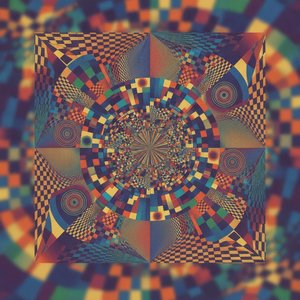
NB 22 Caope: A Geometric Symphony by Victor Vasarely
Victor Vasarely’s “NB 22 Caope” is more than just an abstract painting; it's a meticulously crafted portal into the heart of Op Art, a movement that sought to redefine our perception of reality. This striking work, dominated by a precisely arranged grid of black and white circles, exemplifies Vasarely’s pioneering approach to visual illusion – a technique he developed with mathematical rigor and an almost obsessive attention to detail. The image itself captures a key moment in the artist's career, showcasing his mastery of creating dynamic movement and depth through seemingly static geometric forms.
At first glance, “NB 22 Caope” presents a stark simplicity: a tightly controlled composition of circles. However, closer observation reveals a sophisticated interplay of overlapping shapes and subtle variations in size. This creates an illusion of three-dimensionality, drawing the viewer’s eye across the canvas and generating a captivating sense of movement – a hallmark of Op Art. The deliberate restriction to black and white amplifies this effect, maximizing contrast and intensifying the optical stimulation.
The Genesis of Optical Illusion
Born in Pécs, Croatia (then part of Austria-Hungary) in 1906, Victor Vasarely’s artistic journey began far from the world of abstract art. Initially pursuing medical studies, he was drawn to visual expression and ultimately embraced a path shaped by geometric abstraction. His formative years were profoundly influenced by the Bauhaus movement, particularly through his association with Sándor Bortnyik's “Műhely” workshop in Budapest – a space where functional design principles and rigorous mathematical calculations converged. This background is crucial to understanding Vasarely’s approach; he didn’t simply paint circles; he engineered visual experiences.
Vasarely’s work, like that of many Op Artists, was driven by a desire to challenge traditional notions of representation. Rather than depicting recognizable objects, he sought to manipulate the viewer's perception directly, creating an illusion of movement and depth through carefully arranged geometric patterns. The ‘NB 22 Caope’ series, created between 1962 and 1968, represents a peak in this exploration, demonstrating his refined control over optical effects.
Symbolism and the Pursuit of “Art for All”
While strictly abstract, "NB 22 Caope" resonates with potential symbolic interpretations. The repetitive pattern of circles can be seen as representing growth, cycles, or even interconnectedness – themes frequently explored by Vasarely. He famously stated his goal was to create ‘art for all,’ accessible and engaging regardless of prior artistic knowledge. This accessibility is achieved through the immediate, visceral impact of the work’s optical effects.
The Fondation Vasarely, established in Aix-en-Provence, continues to champion Vasarely's legacy, showcasing his innovative approach to art and design. Reproductions like this one allow us to experience firsthand the power of his geometric vision – a testament to the enduring appeal of Op Art’s exploration of perception.
Вопросы и ответы
Какое настроение передает «NB 22 Caope», Виктор Вазарели в рамках направления Optical Illusion?
В рамках направления Optical Illusion произведение «NB 22 Caope» запечатлено в Calm тональности.
Какой размер и ориентацию вы рекомендуете для печати работы "NB 22 Caope"?
Для «NB 22 Caope» рекомендуется использовать размер Large и Square ориентацию.
Сколько человек просматривают «NB 22 Caope»?
Страница Статистика для работы «NB 22 Caope», Виктор Вазарели содержит публичную статистику посещений: ежемесячное количество просмотров данного произведения, сравнение с наиболее популярными работами автора, а также географию посетителей.
Биография художника
A Life Forged in Geometry: The World of Victor Vasarely
Victor Vasarely, известный также как Károly Vaszary и Győző Vásárhelyi, родился в 1906 году в Pécs, городе, тогда находившемся в составе Австро-Венгрии (ныне Хорватия). Его жизнь – это захватывающая история о том, как человек, начавший путь в медицине, стал пионером Оп-Арта и кинетического искусства. Ранние годы намекали на совершенно иной жизненный путь; изначально он изучал медицину в Университете имени Отто Эртовса в Будапеште. Однако очарование визуального выражения оказалось сильнее, и в 1927 году он бросил медицинские занятия, чтобы посвятить себя живописи, поступив в Академию Подполини-Волькманн. Это решение не просто изменило его профессию, но и стало началом длительного исследования фундаментальных принципов, определяющих восприятие и форму. Переломным моментом стала его зачисление в мастерскую Сандора Бортныка – Műhely, школу, глубоко вдохновленную Баухаузом. Здесь Вазарели усвоил принципы функционального дизайна и геометрической абстракции – семена, которые расцвели в его фирменный стиль. Эти ранние годы были не только о приобретении техники; это было разрушение традиционных художественных конвенций и принятие нового визуального языка, основанного на логике и точности.Early Abstraction and the Dawn of Op Art
Конец 1920-х и начало 1930-х годов стали периодом постепенного отхода Вазарели от репрезентативной живописи, когда он углублялся в сферу геометрической абстракции. Работы, такие как «Голубая Исследование» и «Зеленое Исследование», созданные в 1929 году, иллюстрируют этот переход – сознательное избавление от повествовательного содержания в пользу чистой формы и цветовых отношений. Влияние таких мастеров, как Пит Мондриан и Казимир Малевич, безусловно было, но Вазарели не хотел просто копировать их стили. Он стремился преодолеть статичные композиции своих предшественников, стремясь к динамизму, который активно вовлекал бы восприятие зрителя. Это стремление привело его в Париж в 1930 году, где он укрепил свои позиции как графического дизайнера и художника-рекламщика, оттачивая навыки, одновременно продолжая развивать свое уникальное художественное видение. Именно в этот период он начал экспериментировать с техниками, которые впоследствии стали фирменными чертами Оп-Арта – манипулируя формами и цветами для создания иллюзий движения и глубины, где их физически не было. Семена были посеяны для революции в визуальном опыте.The Systematic Illusion: Defining a Movement
К 1960-м годам Виктор Вазарели полностью утвердился как ведущая фигура в развивающемся Оп-Арт движении. В отличие от многих художников, полагавшихся на интуицию и спонтанное выражение, Вазарели подходил к своей работе с отчетливо систематическим методом. Он использовал сетки и математические принципы для создания узоров, которые создавали мощные оптические иллюзии – визуальные вибрации, вращательные эффекты и ощущения глубины там, где их физически не было. Это не было обманом; это было раскрытием присущего динамизма восприятия само по себе. Он верил в воспроизводимость и массовый охват, стремясь демократизировать искусство, делая его доступным за пределами галерей и музеев. Его работы бросали вызов зрителям, заставляя их активно участвовать в создании смысла. Этот сознательный вовлечение восприятия отличал Оп-Арт и укрепило его место на передовой. Он не просто рисовал картины; он строил опыты.Historical Significance and Lasting Legacy
Вклад Вазарели в историю искусства многогранен. Он вышел за рамки традиционных техник живописи, создав работы, которые активно вовлекают зрителя в восприятие. Его систематический подход бросил вызов традиционным представлениям об художественном творчестве и проложил путь для компьютерно-генерируемого искусства и цифрового дизайна. Принимая воспроизводимость и коммерческие приложения, Вазарели размыл границы между искусством и массовой культурой, оставив неизгладимый след как в одном, так и в другом. *Он не просто создавал эстетически привлекательные объекты; он проводил визуальные эксперименты, которые раскрывали фундаментальные истины о том, как мы видим мир.* Его работа продолжает резонировать сегодня, напоминая нам о силе абстракции, красоте геометрии и бесконечных возможностях человеческого творчества. Вазарели остается ключевой фигурой в истории современного искусства, настоящим новатором, который осмелился бросить вызов нашему пониманию того, каким может быть искусство.Key Achievements and Innovations
Вазарели оставил после себя богатое наследие, включающее:- Разработку принципов геометрической абстракции и их применение в создании оптических иллюзий.
- Влияние на развитие Оп-Арта и кинетического искусства.
- Эксперименты с воспроизводимыми формами искусства, включая сурилафы (serigraphs), которые были отправлены на космический корабль "Союз 7" в 1982 году.
- Сотрудничество с Rosenthal porcelain, результатом которого стала знаменитая серия посуды "Suomi".
- Создание Фонда Вазарели в Экс-ан-Провенсе для сохранения и продвижения его обширного творческого наследия.

Виктор Вазарели
1906 - 1997 , Россия
Краткая справка
- Artistic Movement Or Style: Оп Арт, Кинетический Арт
- Artists Or Movements Influenced By This Artist:
- Графический дизайн
- Интерьерный дизайн
- Artists Who Influenced This Artist:
- Пит Мондриан
- Казимир Малевич
- Date Of Birth: 9 апреля 1906 г.
- Full Name: Victor Vasarely
- Nationality: Венгерско-французский
- Notable Artworks:
- Синий этюд
- Зеленый этюд
- Place Of Birth: Пéч, Хорватия
Похожие статьи

Victor Vasarely: Pioneering Op Art & Democratizing Visual Experience
Explore the revolutionary world of Victor Vasarely, father of Op Art. Discover his geometric masterpieces, artistic system, & lasting impact on modern design. A guide for discerning art collectors.

Neo-Abstract Art: The High-Impact Evolution of Modern Visual Energy and Geometric Sophistication
Discover the power of Neo-Abstract art. Explore how bold geometric forms and high-impact visual energy are redefining modern design. Learn to curate sophisticated, high-energy spaces with the latest trends in contemporary abstraction and structural color.

Геометрическая абстракция: 10 шедевров, изменивших искусство | OriginalUniqueArt.com
Погрузитесь в мир геометрической абстракции! От Кандинского до Малевича – 10 шедевров, изменивших искусство. Узнайте историю создания и значение культовых картин. Репродукции музейного качества на OriginalUniqueArt.com. Вдохновение для вашего интерьера!

Топ-25 шедевров Василия Кандинского: Абстрактное искусство для вашего интерьера
Погрузитесь в мир абстрактного искусства с Василием Кандинским! 25 шедевров экспрессионизма, баухауса и русского авангарда. Репродукции картин Кандинского для вдохновения и декора вашего интерьера. Откройте всю коллекцию на OriginalUniqueArt.com
Mastering Illusion: The Vibrant World of Victor Vasarely's Op Art and the Geometry of Perception
Explore the mesmerizing world of Victor Vasarely. Discover how his Bauhaus-inspired Op Art masters the science of perception through geometric abstraction and vibrant color. A sophisticated guide for discerning art collectors seeking to understand the legacy of optical illusion.


