

 Предпросмотр
 Поделиться
 Поделиться
 Детали произведения

 Скачать
 Похожие работы
 Рентгенография
 Слайд-шоу
 Статистика
William Wynch

 Читать далее
Жикле / Арт-принт
Печать (жикле) или холст музейного качества с быстрыми сроками изготовления и широким выбором вариантов отделки. ( Купить картину ручной работы Перейти к цифровым изображениям)




































Выберите один из наших стандартных размеров, соответствующих оригинальным пропорциям произведения искусства.

Вы можете указать свои собственные размеры, чтобы репродукция идеально подошла под конкретную раму или пространство. Если выбранный вами размер не будет соответствовать пропорциям оригинала, мы либо обрежем произведение, либо дополним изображение зеркальным отражением краев или однотонной заливкой. Перед началом производства вам будет отправлен цифровой макет для утверждения.
Пожалуйста, обратите внимание, что предварительный просмотр на экране не отображает фактическую обрезку или расширение изображения. Только макет точно покажет финальную композицию.
Несмотря на возможность заказа индивидуальных размеров, мы рекомендуем выбирать размер из предопределенного списка, чтобы сохранить оригинальные пропорции.
Доставка по всему миру () за 2 недели вместо стандартных 4/5 недель. (12 Сентябрь)

Бесплатная экспресс-доставка по всему миру

Высококачественный льняной холст

Полное страхование доставки

Гарантия возмещения таможенных пошлин

Гарантия точного соответствия цветов

100-дневная политика возврата (только при обнаружении дефектов)

Гарантия возврата 100% средств

Предложение оптовых скидок
 Вариант со стеклом доступен только для размеров менее 110 см

William Wynch
Жикле / Арт-принт
Размер репродукции
-


Итоговая стоимость
$ 80
Биография художника
Первый англичанин, писавший Индию
Тилли Кеттл (1735–1786) — уникальная фигура в истории британского искусства. Он стал первым выдающимся английским мастером портрета, сумевшим успешно утвердить свое имя в ярком культурном ландшафте Индии в период расцвета могущества Ост-Индской компании. Рожденный в Лондоне, сын мастера по росписи карет из семьи, чьи пивоваренные традиции насчитывали пять десятилетий, Кеттл начал свой творческий путь с фундаментального обучения у Уильяма Шипли на Странд. Это раннее ученичество погрузило его в развивающуюся художественную среду, жаждущую новых горизонтов за пределами традиционных границ английской провинции.
Его профессиональный путь в портретной живописи начался в 1750-х годах, когда он быстро завоевал признание благодаря способности передавать сходство с поразительной точностью и чуткостью. Ранние полотна Кеттла — прежде всего автопортреты 1enc60 года — сразу заявили о его амбициях и утвердили его как восходящий талант в Обществе художников, основанном в 1761 году. Эта первая выставка закрепила его позиции среди коллег, стремящихся к славе, и открыла путь к более крупным заказам. Начало его карьеры было отмечено утонченным умением документировать достоинство и статус своих моделей, что особенно проявилось в работе с членами семьи Дартмут.
За пределами границ Англии наследие Кеттла определяется его необычайной экспедицией 1768 года. Путешествуя вместе с представителями Ост-Индской компании, он высадился в Мадрасе — опыт, который глубоко преобразил его художественное видение и тематику работ. Этот период позволил ему навести мосты между двумя мирами, соединив европейские неоклассические техники с экзотизмом и величием Индийского субконтинента. Его произведения той эпохи служат бесценным историческим свидетельством, запечатлевшим сложные пересечения британского колониального присутствия и местной индийской жизни.
Художественное мастерство и знаковые произведения
Техника Кеттла отличалась поразительным реализмом и способностью передавать как текстуру роскошных тканей, так и тончайшие нюансы человеческих эмоций. Его репертуар охватывает широкий спектр сюжетов: от аристократической элегантности Георгианской Англии до величественных фигур, олицетворяющих влияние Ост-Индской компании в Индии. Среди его наиболее значимых вкладов в мир искусства можно выделить следующие работы:
- Портрет Анны Ховард-Вайс: Завораживающий портрет 1780 года, демонстрирующий роскошную моду той эпохи; пышный парик и шляпка служат окном в аристократический стиль Георгианской Англии.
- Капитан Питер Марриетт, капитан корабля: Созданный в 1769 году неоклассический портрет использует палитру синих и золотых тонов, чтобы изобразить пожилого капитана с глубоким историческим реализмом.
- Элиза и Мэри Дэвидсон: Безмятежное неоклассическое произведение, изображающее двух молодых женщин на фоне лесного пейзажа, демонстрирующее мастерство Кеттла в передаче элегантности XVIII века и натуралистичных декораций.
- Индийские портреты: Его документация таких фигур, как лорд Пигот и Мухаммад Али Хан, служит свидетельством его способности ориентироваться в культурных сложностях Мадраса и интерпретировать их.
В этих работах Кеттл сделал нечто большее, чем просто запечатлел лица; он уловил саму суть эпохи, определяемой экспансией, торговлей и встречей разрозненных культур. Его способность адаптировать свой стиль как к формальным требованиям британского портрета, так и к яркому, порой ошеломляющему сенсорному ландшафту Индии, обеспечивает ему бессмертное место в анналах истории искусств.

Тилли Кеттл
1735 - 1786 , Великобритания
Основные сведения
- Artistic Movement Or Style: Неоклассицизм
- Artists Or Movements Influenced By This Artist: ['Брейсноуз-колледж']
- Artists Who Influenced This Artist: ['Уильям Шипли']
- Date Of Birth: Лондон, Великобритания (1735)
- Date Of Death: 1786
- Full Name: Тилли Кеттл
- Nationality: Британский
- Notable Artworks:
- Элиза и Мэри Дэвидсон
- Капитан Питер Марриетт
- Коммодор Джон Уотсон
- Place Of Birth: Лондон
Похожие статьи

Oil on Canvas: A Historical & Technical Exploration of a Timeless Artistic Medium
Explore the rich history & enduring techniques of oil painting on canvas. Discover the science behind its longevity, conservation practices, and contemporary relevance. Expert insights for art enthusiasts.

The Enduring Power of Painting: A Historical & Contemporary Exploration of Form and Emotion
Explore the rich history & enduring techniques of oil painting with OriginalUniqueArt. Discover masterpieces, learn about art collecting, and find authentic handmade reproductions crafted by skilled artists.

The Enduring Legacy of Oil on Canvas: Technique, History & Aesthetic Impact
Explore the rich history & techniques of oil painting – from Renaissance masters to Impressionism. Discover pigments, layering methods, and why this timeless medium endures. Expert insights for artists & art enthusiasts.
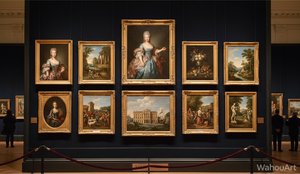
Величие XVIII века: Топ-10 шедевров искусства для вашего интерьера
Погрузитесь в эпоху рококо и барокко! Топ-10 шедевров XVIII века от Буше, Фрагонара и Рейнольдса. Узнайте историю создания культовых картин и вдохновитесь для декора вашего дома. Репродукции высокого качества на OriginalUniqueArt.com

Масляная живопись: История, техника и непреходящее наследие
Узнайте все о масляной живописи: история техники, секреты мастеров и современные тенденции. Погрузитесь в мир искусства с экспертами !