

 Примерить в интерьере
 Отправить
 Поделиться
 Подробнее
 Руководство

 Скачать
 Похожие объекты
 Рентгенография
 Слайд-шоу
 Q&A
Q&A Статистика
Elizabeth Wrottesly
 Oil On Canvas
- WallArt
- British Landscape School
 1764
1764- 19th Century
 76.0 x 64.0 cm
 Национальная галерея Виктории
 Развернуть текст
Жикле / Арт-принты
Печать (жикле) или холст музейного качества с быстрыми сроками изготовления и широким выбором вариантов отделки. ( Заказать репродукцию ручной работы Перейти к цифровым изображениям)




P118B $10

P118H $10

P118W $10

P438Z $10

P508JH $12

P508YH $12

P805H $10

P805Z $10

P919BZ $10

P919G $10

P919XJ $10

P959ZH $10

P968JZ $12

W106C $8

W218G $10

W218JH $8

W218Y $10

W307PJ $10

W316G $10

W316PJ $8

W316Y $10

W398PJ $8

W4111J $10

W500HY $15

W500JH $15

W692G $12

W849H $8

W940BG $15

W953PJ $8




Выберите один из наших стандартных размеров, соответствующих оригинальным пропорциям произведения искусства.

Введите необходимую ширину и высоту, чтобы репродукция подошла к вашей раме или стене. При печати изображение можно только уменьшить, но нельзя увеличить больше оригинала, поэтому при выборе другого формата часть изображения может быть обрезана. Перед печатью мы отправим вам цифровой макет на утверждение. Изображение на этой странице не отображает реальную обрезку — ее можно увидеть только на макете.
Доставка по всему миру () за 2 недели вместо стандартных 4–5 недель. (30 Октябрь)

Бесплатная экспресс-доставка по всему миру

Высококачественный льняной холст

Полное страхование при транспортировке

Гарантия возврата таможенных пошлин

Гарантия точного цветового соответствия

100-дневный период возврата (только при обнаружении дефектов)

Гарантия возврата 100% средств

Скидка при заказе нескольких работ
 Вариант со стеклом доступен только для размеров менее 110 см

Elizabeth Wrottesly
Жикле / Арт-принты
Размер репродукции
-


Итоговая стоимость
$ 80
Thomas Gainsborough: A Pioneer of British Landscape Painting
The Suffolk countryside holds a profound significance in the artistic legacy of Thomas Gainsborough (1727 – 1788), arguably Britain’s most celebrated painter of the Georgian era. Born into a family involved in wool trading, young Gainsborough defied convention by prioritizing artistic pursuits over the family business, recognizing and nurturing an extraordinary talent that would propel him to international acclaim.
His formative years were spent absorbing the beauty of Suffolk's rolling hills and meadows – landscapes that would become central to his oeuvre. Unlike many artists of his time who favored idealized depictions, Gainsborough approached nature with a remarkable honesty and immediacy, capturing fleeting moments of light and atmosphere with effortless grace.
Style and Technique: Lightness and Impressionistic Foreshadowing
Gainsborough’s distinctive style is characterized by a luminous palette dominated by pastel hues – greens, blues, yellows – that evoke the serenity and vibrancy of the English countryside. He employed loose brushstrokes and subtle gradations of color to create an illusion of depth and movement, anticipating the Impressionistic techniques that would emerge decades later.
His meticulous attention to detail is balanced by a willingness to forgo precise rendering in favor of capturing the essence of his subjects. This approach resulted in paintings imbued with a palpable sense of spontaneity and emotion – qualities that resonate powerfully with viewers even today.
Elizabeth Wrottesly: Symbolism Within Pastoral Beauty
Considered Gainsborough’s masterpiece, “Elizabeth Wrottesly” exemplifies his masterful blend of landscape and portraiture. The painting depicts Elizabeth Wrottesly, a young woman known for her beauty and grace, posed amidst a meticulously rendered pastoral scene. The verdant foliage and dappled sunlight serve as a backdrop to Wrottesly's figure, symbolizing fertility and renewal.
The inclusion of a feather – delicately positioned in Wrottesly’s hand – adds another layer of symbolic meaning. Feathers have long been associated with aspiration and nobility, reflecting Wrottesly’s elevated social standing and embodying the artist’s desire to elevate his subject beyond mere physical appearance.
Historical Context: Establishing the Landscape School
Gainsborough's work emerged during a period of significant artistic innovation in Britain. He spearheaded the establishment of the Royal Academy in 1769, marking a pivotal moment in British art history and fostering a collaborative environment for artists to experiment with new ideas.
His influence extended far beyond his own lifetime, inspiring generations of painters who embraced his pioneering approach to landscape painting. Gainsborough’s legacy continues to endure as a testament to the transformative power of observation and artistic vision – qualities that remain eternally relevant in our contemporary world.
Вопросы и ответы
Как я могу предварительно просмотреть репродукцию «Elizabeth Wrottesly», Гейнсборо?
Страница предварительного просмотра Предпросмотр произведения «Elizabeth Wrottesly» позволяет ознакомиться с работой перед оформлением заказа.
Какова насыщенность цветов в работе «Elizabeth Wrottesly», Гейнсборо?
Цвета в работе «Elizabeth Wrottesly», Гейнсборо обладают Balanced Soft насыщенностью. Насыщенность определяет, насколько яркими или приглушенными являются цвета.
Какой преобладающий цвет в произведении «Elizabeth Wrottesly», Гейнсборо?
Наиболее выразительным цветом в произведении «Elizabeth Wrottesly» является Phthalo Green (#201c07). Преобладающий цвет полезен при подборе произведения искусства к интерьеру.
Биография художника
A Suffolk Beginning: The Early Life and Artistic Awakening
The story of Thomas Gainsborough, one of Britain’s most celebrated artists, unfolds not within the confines of a grand academy or bustling metropolis, but in the tranquil market town of Sudbury, Suffolk. Born in 1727, the youngest son of John Gainsborough, a weaver and wool merchant, young Thomas displayed an innate artistic sensibility from a remarkably early age. While his siblings pursued more conventional paths, Thomas’s world rapidly became consumed by drawing and painting – miniature self-portraits and delicate landscapes blossoming from his hand even before he reached ten years old. This precocious talent wasn't merely a childhood pastime; it was the burgeoning of a vision that would reshape British art. His father, recognizing this unique gift, encouraged its development, setting young Thomas on a path diverging sharply from the family trade. The Suffolk countryside itself became his first studio, imbuing his later works with a deep and abiding love for the natural world – a characteristic that would distinguish him throughout his career. This early immersion in landscape wasn’t simply about replicating what he saw; it was about *feeling* the essence of the English countryside, an emotional resonance that would permeate his canvases for decades to come.London and the Shaping of a Style: Influences and Early Commissions
In 1740, at the age of thirteen, Gainsborough journeyed to London, embarking on formal artistic training under Hubert Gravelot, a French engraver renowned for his elegant rococo style. This exposure proved pivotal, introducing him to refined techniques and fashionable aesthetics. However, it was his association with William Hogarth and the St Martin’s Lane Academy that truly began to mold his artistic identity. Initially influenced by Hogarth's narrative approach – his detailed depictions of London life and social commentary – Gainsborough soon charted his own course, developing a distinctive style characterized by its lightness of touch, fluid brushwork, and subtle color palettes. He absorbed lessons from various masters, including the Dutch landscape painters whose atmospheric effects he admired, yet resisted strict adherence to any single school, forging a path that blended observation with imagination. Gainsborough’s early works often featured portraits of young men in fashionable attire, reflecting the trends of the time, but he quickly moved beyond mere likenesses, striving to capture the personality and character of his subjects. Returning to Sudbury after marrying Margaret Burr in 1746, Gainsborough established himself as a portraitist for the local gentry – landowners, merchants, and clergymen who commissioned him to depict themselves and their families. This period honed his skills in capturing likenesses and character, but it was during his subsequent move to Ipswich, and later Bath, that he began attracting a more sophisticated clientele – individuals who appreciated not just accurate representation, but also artistic flair and emotional depth.Bath and Beyond: Portraiture, Landscape, and Royal Patronage
The years spent in Bath (1759-1774) marked a significant turning point in Gainsborough’s career. The city was a hub of fashionable society, providing him with ample opportunities to paint portraits of the wealthy and influential. He quickly gained renown for his ability to capture not only physical resemblance but also the personality and social standing of his sitters. His portraits weren't merely depictions; they were statements about identity and status – often imbued with a sense of relaxed elegance and natural charm. Gainsborough’s style in Bath evolved, influenced by the works of Anthony van Dyck, whose portraits he had studied extensively. He skillfully combined elements of rococo grace with his own distinctive brushwork, creating images that were both refined and engaging. However, even amidst the demands of portraiture, Gainsborough never abandoned his passion for landscape painting. He frequently integrated landscapes into his portraits – depicting his subjects in idyllic settings or using atmospheric backgrounds to enhance the mood of the composition. This innovative approach – a hallmark of his style – set him apart from many of his contemporaries and demonstrated his deep connection to the English countryside. The culmination of his success came with his move to London in 1774, where he established a studio on Pall Mall and became a founding member of the Royal Academy. He also secured royal patronage, becoming a favorite painter of King George III and Queen Charlotte – a testament to his artistic skill and social standing.A Legacy of Innovation: Enduring Appeal and Influence
Thomas Gainsborough died in 1788, leaving behind a body of work that continues to captivate audiences today. His influence on subsequent generations of British artists is undeniable. He liberated portraiture from rigid formality, infusing it with spontaneity and emotional resonance. His loose brushwork and atmospheric effects paved the way for the Impressionists, while his lyrical landscapes inspired artists like John Constable, who deeply admired Gainsborough’s ability to capture the spirit of the English countryside. Gainsborough's legacy extends beyond technique; it lies in his profound understanding of human character and his unwavering commitment to artistic expression. He wasn’t simply a painter of portraits or landscapes; he was a storyteller, a poet of light and color, and a visionary who transformed British art. Mrs. Thomas Gainsborough, painted in 1785, exemplifies this period – an elegant portrait showcasing rococo style and muted tones. His paintings are a testament to the power of observation, imagination, and the enduring allure of the English landscape.Exploring Gainsborough's World Today
Fortunately, the opportunity to experience Gainsborough’s genius firsthand remains readily available. Gainsborough’s House, in his birthplace of Sudbury, stands as a testament to his life and work, offering visitors an intimate glimpse into his early influences and artistic development. Christchurch Mansion in Ipswich houses a significant collection of Gainsborough paintings alongside works by Constable and other masters. Numerous museums across the United Kingdom and internationally display his masterpieces, including the National Gallery in London and the Metropolitan Museum of Art in New York. His work continues to be studied, analyzed, and celebrated, ensuring that his artistic vision will endure for generations to come.
Гейнсборо
1727 - 1788 , Великобритания
Краткая справка
- Artistic Movement Or Style: Рококо, Портрет
- Artists Or Movements Influenced By This Artist:
- Констабль
- Импрессионисты
- Artists Who Influenced This Artist:
- Грэвелот, Жюль
- Хогарть
- Хайман
- Date Of Birth: 1727
- Date Of Death: 1788
- Full Name: Thomas Gainsborough
- Nationality: Британский
- Notable Artworks:
- Миссис Томас Гейнсборо
- Мистер и миссис Эндрюс
- Place Of Birth (City And Country): Судеби, Великобритания
Похожие статьи

Романтический пейзаж: 10 шедевров, изменивших искусство | OriginalUniqueArt.com
Погрузитесь в мир романтического пейзажа! 10 шедевров Фридриха, Тёрнера и других гениев. Узнайте историю создания культовых картин и вдохновитесь для декора интерьера. Репродукции высокого качества на OriginalUniqueArt.com.

Джон Констебль: 25 шедевров английского пейзажа для вашего интерьера
Погрузитесь в мир английского пейзажа с Джоном Констеблом! 25 шедевров романтизма, история создания картин и вдохновение для вашего интерьера. Репродукции высокого качества на OriginalUniqueArt.com – искусство для ценителей.

Evocations of Place: A Historical Journey Through Landscape Art
Explore the rich history of landscape art with OriginalUniqueArt. Discover renowned artists, movements like Impressionism & Romanticism, and expert guidance for collecting timeless pieces. Find your perfect serene escape today!
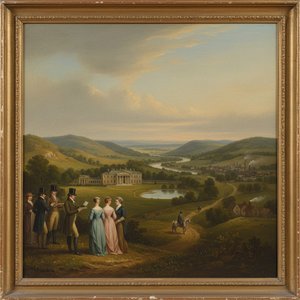
Thomas Barker of Bath: Landscape Painting & Societal Reflection in Early 19th-Century England
Explore the life & work of Thomas Barker of Bath, a key figure in 19th-century English Romanticism. Discover his Parisian success, iconic paintings like 'The Bride of Death', and lasting artistic legacy. Learn more at OriginalUniqueArt.
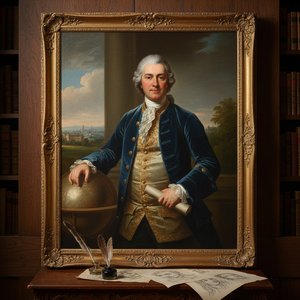
Thomas Hudson: A Study in 18th-Century Portraiture & British Artistic Identity
Explore the life & work of Thomas Hudson, a leading 18th-century British portraitist. Discover his mastery of the 'Grand Manner,' influential style, and lasting impact on British art. Learn about his notable portraits like Judge William Noel & Alexander Van Aken.


