

 Предпросмотр
 Поделиться
 Поделиться
 Детали произведения

 Скачать
 Похожие работы
 Рентгенография
 Слайд-шоу
Pennsylvania Winter Scene


 Читать далее
Масляная репродукция ручной работы
Картина маслом на холсте в выбранном вами размере и раме, написанная на заказ нашими художниками. ( Купить принт Купить изображение)




P118B $10

P118H $10

P118W $10

P438Z $10

P508JH $12

P508YH $12

P805H $10

P805Z $10

P919BZ $10

P919G $10

P919XJ $10

P959ZH $10

P968JZ $12

W106C $8

W218G $10

W218JH $8

W218Y $10

W307PJ $10

W316G $10

W316PJ $8

W316Y $10

W398PJ $8

W4111J $10

W500HY $15

W500JH $15

W692G $12

W849H $8

W940BG $15

W953PJ $8




Выберите один из наших стандартных размеров, соответствующих оригинальным пропорциям произведения искусства.

Вы можете указать собственные размеры, чтобы картина идеально вписалась в выбранную раму или пространство. Если выбранный вами размер не соответствует пропорциям оригинала, мы либо обрежем полотно, либо расширим его за счет дополнительных элементов, написанных вручную. Цифровой макет будет отправлен вам на утверждение перед началом производства.
Обратите внимание, что предварительный просмотр на экране не отражает фактическую обрезку или расширение. Только макет точно покажет окончательную композицию.
Хотя доступны индивидуальные размеры, мы рекомендуем выбирать вариант из предопределенного списка, чтобы сохранить исходные пропорции.
После оформления заказа команда OriginalUniqueArt.com свяжется с клиентом по электронной почте для уточнения деталей и предоставит предварительный макет
Доставка по всему миру () за 3–4 недели вместо стандартных 5 недель. (23 Август). Без компромиссов в качестве.

Бесплатная экспресс-доставка по всему миру

Высококачественный льняной холст

Полное страхование доставки

Гарантия возмещения таможенных пошлин

Гарантия точного соответствия цветов

Политика возврата в течение 60 дней (только при наличии дефектов)

Гарантия возврата 100% средств

Предложение оптовых скидок
 Вариант со стеклом доступен только для размеров менее 110 см

Pennsylvania Winter Scene
Техника репродукции
Размер репродукции
-


Итоговая стоимость
$ 300
Описание произведения
Pennsylvania Winter Scene: A Vision of Tranquility Frozen in Time
Thomas Birch’s “Pennsylvania Winter Landscape,” painted in 1842, isn't merely a depiction of snow-covered fields; it’s a carefully crafted tableau that embodies the Romantic spirit of its era and speaks to enduring themes of rural serenity and human connection. Executed with meticulous detail—a hallmark of Birch’s academic style—the canvas captures a quintessential winter scene in Chester County, Pennsylvania.
- Subject Matter: The painting centers around a modest farmhouse nestled amidst rolling hills blanketed in snow. A horse-drawn carriage traverses the road leading to the house, accompanied by figures venturing out into the crisp air—a common motif reflecting the burgeoning interest in documenting everyday life during this period.
- Style & Technique: Birch adheres to the Northern European landscape tradition championed by artists like Jacob van Ruisdael and Jan van Goyen, prioritizing atmospheric perspective and subdued color palettes. The artist skillfully employs glazing techniques – applying thin layers of translucent paint over underlying colors—to achieve a luminous quality that captures the ethereal glow of winter sunlight filtering through bare branches.
Historical Context: Romanticism's Embrace of Nature
Painted during the height of Romanticism, “Pennsylvania Winter Landscape” reflects the movement’s fascination with untamed beauty and its belief in nature as a source of moral inspiration. The Romantic aesthetic rejected Neoclassical formalism, favoring expressive brushwork and emotional intensity—qualities evident in Birch's depiction of the winter landscape.
- Influence: Birch’s work owes considerable debt to artists like George Durrie whose lithographs of the snowy landscapes captivated the public imagination. The painting aligns with broader trends in American art, mirroring similar explorations of rural life and seasonal change undertaken by contemporaries such as Jasper F. Cropsey and Frederic E. Church.
- Social Significance: The scene portrays a harmonious coexistence between humanity and nature—a sentiment resonating deeply within the Romantic worldview. It speaks to an idealized vision of pastoral tranquility, reflecting anxieties about industrialization and urbanization during this transformative period.
Symbolism & Emotional Resonance
Beyond its visual splendor, “Pennsylvania Winter Landscape” carries symbolic weight. The horse-drawn carriage symbolizes progress amidst the stillness of winter—a juxtaposition that underscores the Romantic preoccupation with reconciling reason and emotion. The figures walking along the road represent human activity within a larger natural framework, emphasizing our connection to the rhythms of the seasons.
- Color Palette: Birch’s restrained color palette – dominated by whites, browns, and muted blues—contributes significantly to the painting's mood of quiet contemplation. The subtle gradations of light and shadow enhance the sense of depth and realism, inviting viewers into a serene winter landscape.
- Composition: The oval composition created by the road and stream mirrors the influence of Dutch landscape painters like Rembrandt van Ruisdael—a deliberate stylistic choice that reinforces Birch’s commitment to artistic heritage.
A Legacy of Tranquility
"Pennsylvania Winter Scene" continues to inspire admiration for its masterful execution and evocative portrayal of winter's beauty. Its enduring appeal lies in its ability to transport viewers back to a time when art sought to capture the sublime—a testament to Thomas Birch’s artistic vision and his contribution to American landscape painting.
Биография художника
A Transatlantic Vision: The Life and Art of Thomas Birch
Thomas Birch, born in Warwickshire, England, in 1779, embarked on a remarkable journey that ultimately cemented his place as one of the most significant figures in American marine painting. His story is not merely one of artistic progression; it’s a tale interwoven with transatlantic influences, evolving national identity, and a profound fascination with the power and beauty of the sea. In 1794, at the tender age of fifteen, Birch immigrated to Philadelphia alongside his family, joining a vibrant wave of artisans and entrepreneurs seeking opportunity within the burgeoning United States. His father, William Russell Birch – an accomplished engraver and miniaturist – laid the foundation for Thomas’s artistic development, fostering a deep appreciation for meticulous detail and skillful craftsmanship. Their collaborative venture, “Birch’s Views of Philadelphia” (1800), quickly established them as respected artists within the city's cultural landscape, capturing the dynamic essence of a rapidly transforming urban center – an endeavor that instilled in Thomas Birch a keen eye for composition and a deep understanding of visual storytelling.From Portraits to the Majesty of the Sea
Initially, Birch followed in his father’s footsteps, dedicating himself to the art of portraiture. However, by 1807, a transformative shift occurred within his artistic trajectory. Drawn to the dramatic spectacle and inherent dynamism of maritime life, he decisively turned his attention towards marine painting – a genre that would become the defining characteristic of his career. This transition wasn’t driven by mere whim; it reflected both a deeply personal fascination with the ocean's vastness and a growing national awareness of America’s burgeoning naval power, particularly as tensions escalated in the lead-up to the War of 1812. Birch’s early marine works reveal an evolving style, profoundly influenced by the traditions of the Dutch masters – Jacob van Ruisdael and Jan van Goyen foremost among them. He meticulously studied their techniques, absorbing their mastery of atmospheric perspective, their ability to capture the subtle interplay of light on water, and their overall sense of realism. Yet, Birch wasn’t simply a diligent imitator; he skillfully synthesized these European influences with an emerging American sensibility, imbuing his paintings with a distinctly patriotic fervor that resonated deeply with audiences eager for artistic expressions of national pride.Naval Battles and the Birth of National Identity
Birch's name became inextricably linked with depictions of naval engagements during the War of 1812. His paintings weren’t merely historical records; they were powerful visual narratives, celebrating American courage, resilience, and ultimately, triumph. The painting USS United States and HMS Macedonian, arguably his most iconic work, immortalized a pivotal clash between American and British frigates – a moment of national significance rendered with breathtaking detail and dramatic intensity. This masterpiece captured not just the physical action of battle but also the spirit of defiance that fueled the American cause. Similarly, Engagement Between the U.S. Frigate Constitution and the British Frigate Guerriere further solidified Birch’s reputation as a master of marine painting, showcasing his technical skill and artistic vision. Beyond these celebrated battles, Birch excelled at portraying tranquil harbor scenes – serene glimpses into the everyday life of coastal communities – and meticulously detailed ship portraits, demonstrating his remarkable versatility and unwavering commitment to accuracy. He was, in essence, the first American artist to truly specialize in ship portraiture, establishing a benchmark for future generations of marine painters.Influences and Artistic Techniques
Birch’s artistic development was profoundly shaped by several key influences. As a young man, he immersed himself in the collections of his father, particularly those containing Dutch paintings – a testament to the enduring impact of masters like Jacob van Ruisdael and Jan van Goyen. He meticulously studied their techniques, absorbing their mastery of atmospheric perspective, their ability to capture the subtle interplay of light on water, and their overall sense of realism. However, Birch wasn’t merely an imitator; he skillfully synthesized these European influences with an emerging American sensibility, imbuing his paintings with a distinctly patriotic fervor that resonated deeply with audiences eager for artistic expressions of national pride. Furthermore, Birch's early work in portraiture honed his observational skills and understanding of human anatomy – qualities that proved invaluable when depicting the figures involved in naval battles. His meticulous attention to detail, combined with his ability to convey movement and emotion, set him apart from his contemporaries and established him as a leading figure in American art.Legacy and Enduring Significance
Thomas Birch’s contributions to American art are undeniable. He didn't simply paint ships; he captured a pivotal moment in history – the rise of a nation asserting its independence on the world stage. His paintings served as both historical records and powerful symbols of national identity, reflecting the spirit of innovation and determination that defined early America. Birch’s influence extended far beyond his immediate contemporaries, laying the groundwork for subsequent generations of marine artists. Today, his works are cherished within prestigious museum collections across the United States – including the Pennsylvania Academy of the Fine Arts, the Smithsonian American Art Museum, and the Museum of Fine Arts, Boston – ensuring that his legacy will continue to inspire and captivate audiences for years to come. Elected an honorary member of the National Academy of Design in 1833, Birch’s life and art stand as a testament to the transformative power of artistic vision and its ability to shape our understanding of history and national identity.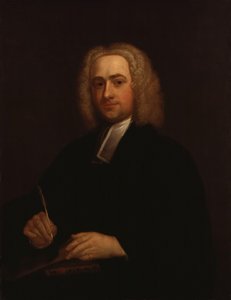
Томас Берч
1779 - 1851 , Великобритания
Основные сведения
- Artistic Movement Or Style: Морское живопись, Портрет
- Artists Or Movements Influenced By This Artist: ['Худерсон Рвер Скул']
- Artists Who Influenced This Artist:
- Ян ван Гойен
- Якоб ван Руисле
- Date Of Birth: 1779
- Date Of Death: 1851
- Full Name: Thomas Birch
- Nationality: Британско-американский
- Notable Artworks:
- USS United States
- HMS Macedonian
- Place Of Birth: Лондон, Великобритания
Похожие статьи
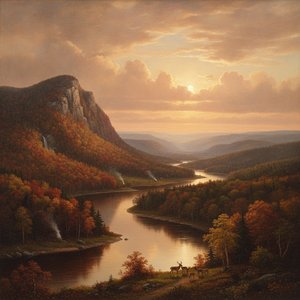
The Hudson River School: A Definitive Guide to America's Romantic Landscape Tradition
Explore the profound legacy of the Hudson River School. Discover how masters like Thomas Cole captured the American sublime through Romanticism and Luminism. A definitive guide for art historians and collectors seeking to understand America's wild beauty.

Robert Spencer: Luminism, Narrative & the American Landscape Tradition
Explore the captivating world of Luminism & the Hudson River School with our expert analysis. Discover the history, artists, and enduring beauty of 19th-century American landscape painting. Find museum-quality reproductions at OriginalUniqueArt.
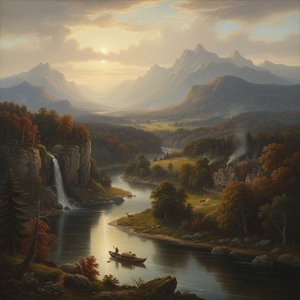
Capturing the American Spirit: A Journey Through Iconic Landscapes and the Legacy of the Hudson River School
Explore the profound beauty of American art history. From the Hudson River School to iconic landscapes, discover a curated journey through the masterpieces that defined a nation's spirit and the enduring legacy of American Romanticism.
Школа реки Гудзон: 10 шедевров, изменивших американскую живопись | OriginalUniqueArt
Погрузитесь в мир Школы реки Гудзон! 10 шедевров Томаса Коула, Фредерика Чёрча и других мастеров американского романтизма. Купите репродукции картин высокого качества для вашего интерьера на OriginalUniqueArt.com.
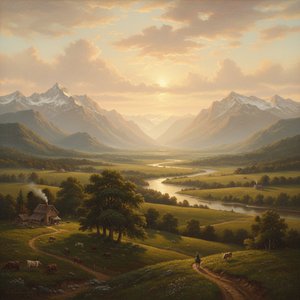
Thomas Hill: Luminosity, Landscape & the American Pastoral Ideal
Explore the luminous landscapes of Thomas Hill, a pivotal figure in the Hudson River School & Luminism movements. Discover his artistic journey, philosophical depth, and enduring legacy with OriginalUniqueArt.

