

 Предпросмотр
 Поделиться
 Поделиться
 Детали произведения

 Скачать
 Похожие работы
 Рентгенография
 Слайд-шоу
William Sharp (1856–1905)
 Impressionism
 1890
1890 27.0 x 21.0 cm
 Читать далее
Приобретите цифровое изображение высокого разрешения в улучшенном качестве, которое значительно превосходит онлайн-превью.
Каждый файл тщательно подготавливается нашими специалистами с использованием передовых инструментов и экспертной ручной ретуши. Мы гарантируем исключительную четкость, точную цветопередачу и детальную проработку каждого изображения.
Финальный файл доставляется по электронной почте в течение 72 часов и оптимизирован для немедленного использования в профессиональной среде, при верстке и печати. Это тот же уровень качества, которому доверяют ведущие дизайнерские студии, издательства и галереи.
Цифровое изображение
Скачайте файл высокого разрешения для личного использования, печати и творческих проектов. ( Купить принт Купить картину ручной работы)
Включено в каждый заказ цифровых изображений
Гарантия экспертной цифровой доставки
Выбирая OriginalUniqueArt.com, вы получаете не просто изображение — вы приобретаете профессионально обработанное цифровое произведение искусства, созданное с безупречной точностью и под защитой гарантии качества. Вот всё, что автоматически входит в ваш заказ:

Мгновенная доставка по e-mail
Ваш цифровой файл в высоком разрешении будет отправлен вам по электронной почте в течение 72 часов после оформления заказа — и сразу станет доступен для использования.

Цифровой файл с ИИ-улучшением
Ваше произведение искусства проходит профессиональную оптимизацию с использованием передовых инструментов ИИ и ручной обработки, что гарантирует максимальную детализацию, четкость и точность цветопередачи.

Бессрочная бесплатная повторная доставка
Случайно удалили или потеряли файл? Не беспокойтесь — мы отправим его вам повторно в любое время и совершенно бесплатно.

Без импортных пошлин — навсегда
Наслаждайтесь вашим произведением искусства мгновенно без таможенных пошлин, сборов или затрат на доставку — цифровые загрузки всегда не облагаются налогом.

Гарантия точности цветопередачи
Мы гарантируем, что ваше цифровое изображение максимально точно передает оригинальные цвета благодаря использованию профессиональных инструментов и систем управления цветом.

Гарантия удовлетворения в течение 60 дней
Если вы останетесь не удовлетворены покупкой цифрового изображения, мы внесем в него правки или вернем 100% стоимости в течение 60 дней — без лишних вопросов.

100% Гарантия возврата средств
Не удовлетворены покупкой? Мы гарантируем полный возврат средств в течение 60 дней после получения вашего цифрового файла — без лишних вопросов.

Скидки на оптовые заказы
Купите 3 изображения, сэкономьте 10% — Купите 5, сэкономьте 15% — Купите 10+, сэкономьте 20%. Отличное решение для творческих проектов, галерей и агентств.
Биография художника
A Late Bloomer’s Journey: The Life and Art of Théodore Roussel
Théodore Casimir Roussel, a name perhaps less instantly recognizable than some of his contemporaries, occupies a fascinating niche in the landscape of late 19th and early 20th-century art. Born in Orléans, France, in 1847, his path to becoming a painter was decidedly unconventional. Unlike artists who demonstrated precocious talent from youth, Roussel embarked on his artistic journey relatively late, around 1872, after fulfilling his military service. Entirely self-taught, he initially explored scenes of everyday life, grounding himself in the techniques of the Old Masters—a foundation that would later be brilliantly transformed by a unique and deeply personal vision. This early work, while skillful, lacked the distinctive voice that would eventually set him apart, hinting at the potential within but not yet revealing the artist he was destined to become.London Calling: A Crucible of Artistic Development
A pivotal moment arrived in 1878 with Roussel’s relocation to London. This move proved transformative, shaping his artistic career in profound ways. Two years later, marriage to Frances Amelia Smithson Bull, a distant relative of James Smithson, further cemented his ties to British society. However, it was an encounter in 1885 that truly ignited his aesthetic development: his meeting with the celebrated James McNeill Whistler. This marked the beginning of a lifelong friendship and mentorship, one that would indelibly influence Roussel’s sensibilities. Whistler encouraged him to embrace etching as a medium, guiding him towards a “free etching” style—drawing directly onto the copper plate from nature, preserving spontaneity and lightness. This period wasn't merely about technical instruction; it was an immersion into a particular philosophy of art, one that valued aesthetic harmony and suggestive beauty over strict realism.Controversy and Recognition: “The Reading Girl” and Beyond
Roussel’s arrival on the London art scene wasn't without its initial shockwaves. His debut at the New English Art Club exhibition in 1887 with a life-size nude, “The Reading Girl,” caused an immediate sensation—and not of the entirely positive kind. A scathing review in *The Spectator* condemned it as “realism of the worst kind,” finding it vulgar and crude. Yet, this very notoriety proved to be a catalyst for his career. Ironically, decades later, Sir William Orpen would declare it the best nude painting of its period—a testament to the enduring power and artistic merit that transcended initial critical backlash. The model for this groundbreaking work was Hetty Pettigrew, along with her sisters Rose and Lily, all popular figures in the London art world, having posed for artists like Whistler, Holman Hunt, and Millais. Roussel’s personal life continued to evolve; after his first wife's passing, he married Ethel Melville, the widow of Arthur Melville, forging further connections within the artistic community.Landscapes, Etchings, and a Lasting Legacy
Following the exhibition of “The Reading Girl,” Roussel settled in Parsons Green and dedicated himself primarily to painting atmospheric landscapes, often depicting scenes along the River Thames. These weren’t simply picturesque views; they were explorations of light, mood, and the subtle nuances of the English countryside. Simultaneously, he became a pioneer of color etching in England, skillfully blending Impressionistic techniques with his own distinct style. He regularly exhibited at the Royal Society of British Artists and the Royal Scottish Academy, solidifying his position within the artistic establishment. In 1908, Roussel further cemented his involvement by becoming a founding member of the Allied Artists’ Association. His landscapes continued to evolve, characterized by muted tones, loose brushwork, and an almost poetic sensitivity to atmosphere. He wasn't merely *representing* nature; he was conveying its emotional resonance. Théodore Roussel passed away in 1926, leaving behind a body of work that represents a compelling intersection of French and English artistic traditions—a legacy increasingly recognized for its originality, technical innovation, and enduring beauty.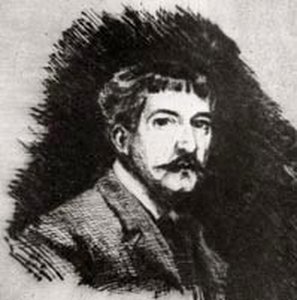
Théodore Roussel
1847 - 1926 , France
Основные сведения
- Artistic Movement Or Style: Impressionism, Etching
- Artists Who Influenced This Artist: ['James McNeill Whistler']
- Date Of Birth: 1847
- Date Of Death: 1926
- Full Name: Théodore Casimir Roussel
- Nationality: French-English
- Notable Artworks:
- The Reading Girl
- Battersea From Cheyne Walk
- The Great Oaks of Old Bas-Breau
- Place Of Birth: Orléans, France

