De Stijl · 1928
Composition with half values (Тео ван Дусбург, 1928)
Тео ван Дусбург (1883–1931) создал(а) Composition with half values. Создано в 1928. Относится к направлению De Stijl. Выполнено в технике Oil On Canvas. Хранится в Кунстхаус Базель в Базель, Швейцария. Размер: 50 × 50 cm
- 1928
- Oil On Canvas
- 50 × 50 cm
- Кунстхаус Базель

 Предпросмотр

 Картина маслом ручной работы
 Поделиться
 Поделиться
 Информационный лист


 Скачать
 Похожие предметы
 Рентгенография
 Слайд-шоу
 Вопросы и ответы

 Статистика просмотров
Composition with half values вкратце
- Название
- Composition with half values
- Автор
- Тео ван Дусбург (1883–1931)
- Дата рождения художника
- Утрехт, Нидерланды
- Дата
- 1928
- Техника
- Oil On Canvas
- Размеры
- 50 × 50 cm
- Где посмотреть
- Кунстхаус Базель, Базель, Швейцария
- Движение
- De Stijl
- Период
- Modern
- Сюжет
- abstract, geometric, composition, rectangles, primary colors, de stijl
Что изображено на Composition with half values?
Composition with Half Values: A De Stijl Masterpiece
Theo van Doesburg's "Composition with half values," created in 1928, stands as a pivotal work within the De Stijl movement. This oil on canvas painting exemplifies the artist’s dedication to geometric abstraction and his exploration of visual harmony through carefully balanced forms and colors. Housed in the Kunstmuseum Basel, Switzerland, this piece is more than just an aesthetic arrangement; it's a testament to a revolutionary artistic philosophy.
The De Stijl Movement and Its Principles
To fully appreciate "Composition with half values," understanding the De Stijl movement is crucial. Founded in 1917 by Piet Mondrian and van Doesburg, De Stijl (meaning “The Style” in Dutch) aimed to create a universal artistic language based on pure abstraction. The movement rejected representational art, believing that it distracted from underlying mathematical principles of harmony and order. Key tenets included:
- Geometric Forms: A preference for straight lines, squares, and rectangles over curves or organic shapes.
- Primary Colors: Limited palette consisting primarily of red, yellow, blue, black, white, and grey.
- Spatial Relationships: Emphasis on the relationships between forms and colors to create a sense of balance and dynamism.
- Rejection of Perspective: A flattening of space, eliminating traditional perspective techniques.
De Stijl artists believed that by reducing art to its essential elements, they could reveal universal truths about the universe and contribute to a more harmonious society.
Analyzing "Composition with Half Values"
The painting itself is a striking example of these principles. It features a grid-like structure dominated by rectangular shapes in muted blues and whites. A large, vibrant blue square disrupts the otherwise orderly arrangement at the top, while a yellow rectangle anchors the composition at the bottom. The interplay between these elements creates a dynamic tension.
The title "Composition with half values" refers to van Doesburg's exploration of visual balance. He sought to create compositions where opposing forces – like color and shape – were in equilibrium, representing a sense of harmony. While Mondrian favored strict right angles, van Doesburg later reintroduced diagonals into his work, as seen here, pushing the boundaries of De Stijl’s established rules.
Symbolism and Emotional Impact
Although abstract, "Composition with half values" evokes a range of emotions. The rigid geometry can convey a sense of order and control, while the contrasting colors introduce an element of surprise and visual excitement. The painting's lack of representational imagery encourages viewers to engage directly with the forms and colors themselves, prompting introspection and contemplation.
Beyond its aesthetic qualities, the artwork symbolizes a search for universal harmony and balance through reduction to fundamental geometric elements. It reflects a broader cultural shift towards abstraction in the early 20th century, as artists sought new ways to express their ideas and challenge traditional artistic conventions. "Composition with half values" remains a powerful testament to the enduring legacy of De Stijl and its profound influence on modern art and design.
В каком музее находится Composition with half values?
Кунстхаус Базель
Базель, Швейцария
Истоки и история Кунстхаус Базель История Кунстхаус Базель уходит корнями в приобретение знаменитого Кабинета Амербахов. Эта коллекция, ставшая фундаментом учреждения, была выкуплена городом Базель и Базельским университетом в 1671 году. Решение открыть эти произведения искусства широкой публике сделало музей первой в своем роде публичной художественной коллекцией.


Изображения в высоком разрешении: Composition with half values
Общественное достояние: художник умер в 1931.
Тео ван Дусбург, Composition with half values (1928), Кунстхаус Базель. Общественное достояние
Ответы на вопросы о Composition with half values
В каком музее хранится оригинал «Composition with half values»?
Картина «Composition with half values», Тео ван Дусбург представлена в коллекции Кунстхаус Базель, Базель, Швейцария. В описании музея речь идет об оригинальном произведении, а не о репродукциях.
В каком году было создано произведение «Composition with half values»?
«Composition with half values» датируется 1928 годом. Эта дата позволяет определить место произведения в творчестве Тео ван Дусбург и в контексте его эпохи.
В какой технике выполнено произведение «Composition with half values»?
Техника исполнения работы «Composition with half values», Тео ван Дусбург — Oil On Canvas. Репродукции стремятся максимально точно передать особенности этой техники.
Каковы реальные размеры произведения «Composition with half values», Тео ван Дусбург?
Размер оригинала «Composition with half values», Тео ван Дусбург составляет 50 x 50 cm.
Что изображено на картине «Composition with half values», Тео ван Дусбург?
Сюжеты произведения «Composition with half values» — это abstract, geometric, composition, rectangles, primary colors, de stijl, grid, minimalism.
Находится ли изображение «Composition with half values», Тео ван Дусбург в общественном достоянии?
Произведение «Composition with half values», Тео ван Дусбург находится в общественное достояние — срок действия авторского права истёк. Этот статус определяет правила воспроизведения изображения данного произведения.
Какому художнику приписывают работу «Composition with half values»?
Авторство работы «Composition with half values» приписывается Тео ван Дусбург.
К какому художественному направлению относится «Composition with half values», Тео ван Дусбург?
Художественное направление, к которому относится «Composition with half values», Тео ван Дусбург, — это De Stijl. Такая классификация позволяет соотнести данную работу с другими произведениями и мастерами того же периода.
К какому периоду творчества Тео ван Дусбург относится произведение «Composition with half values»?
В творческом наследии Тео ван Дусбург работа «Composition with half values» относится к периоду Mature Period. Этот этап позволяет сопоставить её с другими произведениями художника.
Об авторе, Тео ван Дусбург

1883–1931, Нидерланды
Тео ван Дусбург
The Architect of Abstraction: A Life in Geometric Harmony Theo van Doesburg, born Christian Emil Marie Küpper in 1883 in Utrecht, Netherlands, wasn’t merely a painter; he was a revolutionary force who fundamentally reshaped the very foundations of modern art. His journey began amidst the lingering echoes of Impressionism and Post-Impressionism – initially mirroring styles reminiscent of Vincent van Gogh – both in subject matter and emotional intensity. However, this early phase served as a crucial prelude, a necessary stepping stone toward the radical transformation that would define his enduring legacy. A pivotal moment arrived in 1913 with his encounter with Wassily Kandinsky’s *Rückblicke*.
Другие работы Тео ван Дусбург
 Counter composition XV1925
 Rhythm of a Russian Dance
 Troelstra1910
 Study for Composition VIII (The Cow)1918
Эссе к произведению Composition with half values
 Geometry with Purpose: Distinguishing Suprematism from ConstructivismMaster the differences between Suprematism and Constructivism with our expert guide. Discover the soul of the Russian avant-garde now.
 De Stijl and Bauhaus: Distinguishing Two Pillars of Modern DesignMaster the distinctions between De Stijl and Bauhaus design. Explore the history of these modern pillars now.
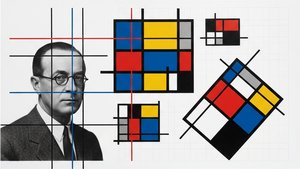 Theo van Doesburg: Pioneering De Stijl & the Evolution of Neo-PlasticismExplore the revolutionary De Stijl movement & Neo-Plasticism with our expert guide. Discover Piet Mondrian, Theo van Doesburg, and the last…