Pop Art/Conceptual art · 1962
Objectivity (Ле Витт, Сол, 1962)
Ле Витт, Сол (1928–2007) создал(а) Objectivity. Создано в 1962. Относится к направлению Pop Art/Conceptual art. Выполнено в технике Mixed Media. Размер: 128 × 128 cm
- 1962
- Mixed Media
- 128 × 128 cm

 Предпросмотр

 Картина маслом ручной работы
 Поделиться
 Поделиться
 Информационный лист


 Скачать
 Похожие предметы
 Рентгенография
 Слайд-шоу
 Вопросы и ответы

 Статистика просмотров
Objectivity вкратце
- Название
- Objectivity
- Автор
- Ле Витт, Сол (1928–2007)
- Дата рождения художника
- Хартфорд, США
- Дата
- 1962
- Техника
- Mixed Media
- Размеры
- 128 × 128 cm
- Движение
- Pop Art/Conceptual art
- Период
- Modern
- Сюжет
- grid, text, minimalism, conceptual, repetition, objectivity
Что изображено на Objectivity?
Objectivity by Sol LeWitt: A Grid of Conceptual Precision
Sol LeWitt's "Objectivity," created in 1962, is a seminal work within the realms of Minimalism and Conceptual Art. This striking piece challenges traditional notions of artistic representation, prioritizing idea and system over subjective expression or illusionistic depiction. Measuring an impressive 128 x 128 cm, it commands attention with its rigorous structure and deliberate repetition.
Composition and Technique: A Three-Dimensional Grid
"Objectivity" presents as a square canvas meticulously divided into a three-dimensional grid of twenty-five squares. Each row contains five squares across and five down. The word "OBJECTIVITY," rendered in bold blue capital letters, is repeated five times across the rows. However, it's not simply a straightforward repetition. Each square displays two letters – “OB,” “JE,” “CT,” and “IV” – with the rightmost squares completing the word “ITY.” A key element of the work lies in its layering: the top row projects outward from the canvas surface, while subsequent rows recede further back, creating a subtle illusion of depth. The background color shifts progressively from orange in the upper row to increasingly darker shades of red as one descends, contributing to a sense of diminishing visibility and an overall darkening effect.
Style and Historical Context: Minimalism and Conceptualism
“Objectivity” emerged during a pivotal period in art history. The late 1950s and early 1960s witnessed the rise of Minimal Art, which rejected Abstract Expressionism’s emphasis on gesture and emotion, favoring instead geometric forms, industrial materials, and a reduction to essential elements. Simultaneously, Conceptual Art began to gain momentum, prioritizing the idea behind the artwork over its physical manifestation. LeWitt's work brilliantly embodies both movements. "Objectivity" exemplifies Minimalism through its grid structure, precise geometry, and serial repetition. It aligns with Conceptualism by foregrounding the underlying concept – in this case, a meditation on objectivity itself – and minimizing the artist’s hand in the final product. The systematic nature of the piece reflects LeWitt's interest in mathematical principles and logical systems.
Symbolism and Emotional Impact: Questioning Perception
The title "Objectivity" is inherently provocative, given the work's visual complexity and layered construction. By repeatedly presenting the word within a receding grid, LeWitt seems to question the very notion of objective truth or perception. The darkening effect as one descends suggests that objectivity becomes increasingly elusive, obscured by layers of interpretation and perspective. The rigid structure can evoke feelings of detachment, artificiality, and even a subtle unease. While seemingly impersonal, "Objectivity" invites viewers to contemplate the complexities of seeing and understanding, prompting reflection on how our perceptions are shaped by context and distance.
Materials and Legacy
LeWitt utilized mixed media in “Objectivity,” primarily employing cardboard or similar rigid material painted with acrylics. The choice of materials reinforces the work's industrial aesthetic and its rejection of traditional artistic techniques. "Objectivity" remains a significant piece within LeWitt’s oeuvre, demonstrating his pioneering approach to artmaking and solidifying his place as a key figure in 20th-century art. Its influence can be seen in subsequent generations of artists exploring conceptual frameworks and systematic processes.
Изображения в высоком разрешении: Objectivity
Protected by copyright: these files are for personal reference, not a licence to republish.
Ле Витт, Сол, Objectivity (1962).
Ответы на вопросы о Objectivity
В каком году было создано произведение «Objectivity», Ле Витт, Сол?
«Objectivity» датируется 1962 годом. Эта дата позволяет определить место произведения в творчестве Ле Витт, Сол и в контексте его эпохи.
В какой технике выполнено произведение «Objectivity», Ле Витт, Сол?
«Objectivity» выполнено в технике Mixed Media.
Каковы размеры оригинала «Objectivity», Ле Витт, Сол?
Размер оригинала произведения «Objectivity» составляет 128 x 128 cm. Оригинальные размеры могут служить полезным ориентиром при выборе размера репродукции.
Что изображено на картине «Objectivity», Ле Витт, Сол?
На полотне «Objectivity», Ле Витт, Сол изображены: grid, text, minimalism, conceptual, repetition, objectivity, geometric.
Находится ли изображение «Objectivity», Ле Витт, Сол в общественном достоянии?
Произведение «Objectivity», Ле Витт, Сол находится в находится под защитой авторского права. Этот статус определяет правила воспроизведения изображения данного произведения.
Какому художнику приписывают работу «Objectivity»?
Автор произведения «Objectivity» — Ле Витт, Сол. Работа внесена в каталог под именем Ле Витт, Сол.
К какому художественному направлению относится «Objectivity», Ле Витт, Сол?
Художественное направление, к которому относится «Objectivity», Ле Витт, Сол, — это Pop Art/Conceptual art. Такая классификация позволяет соотнести данную работу с другими произведениями и мастерами того же периода.
К какому периоду творчества Ле Витт, Сол относится произведение «Objectivity»?
«Objectivity» относится к Mature Period в творчестве Ле Витт, Сол. Данная классификация позволяет проследить развитие мастера.
Сколько лет было Ле Витт, Сол, когда была создана работа "Objectivity"?
Ле Витт, Сол создал(а) «Objectivity» в возрасте 34 лет. Художник родился в 1928, а датировка работы относится к 1962 году.
Об авторе, Ле Витт, Сол

1928–2007, США
Ле Витт, Сол
Архитектор идей: Жизнь и наследие Сола Левитта В бескрайнем ландшафте модернизма двадцатого века лишь немногие фигуры отбрасывают столь же долгую или интеллектуально глубокую тень, как Соломон Левитт. Рожденный 9 сентября 1928 года в Хартфорде, штат Коннектикут, в семье еврейских иммигрантов из России, путь Левитта определялся стремлением к чистой мысли, превалирующей над простым физическим исполнением. Его ранние годы были сформированы строгой аналитической любознательностью — чертой, взращенной во время учебы в Сиракузском университете с 1945 по 1949 год. Этот академический фундамент в математике и геометрии впоследствии станет самим сердцебиением его художественного языка, позволяя ему отсечь декоративную избыточность традиционного искусства, чтобы обнажить скелетную красоту логики и структуры.
Другие работы Ле Витт, Сол
 Serial Project #1 ABCD1966
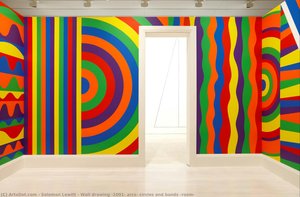 Wall drawing #1091: arcs, circles and bands (room)2003
 Distorted Cubes Bozuk Küpler
 Wall Drawing #3911983
Эссе к произведению Objectivity
 Geometry with Purpose: Distinguishing Suprematism from ConstructivismMaster the differences between Suprematism and Constructivism with our expert guide. Discover the soul of the Russian avant-garde now.
 Beyond the Object: Top 10 Masterpieces of Conceptual ArtExplore 10 iconic works of Conceptual Art by Duchamp and Ono. Discover the power of ideas on OriginalUniqueArt.com.
 Expressionism vs. New Objectivity: Emotion vs. Precision in German ArtMaster the tension between Expressionist emotion and New Objectivity precision. Explore the soul of German modern art now.