Предпросмотр
 Поделиться
 Поделиться
 Детали произведения

 Скачать
 Похожие работы
 Рентгенография
 Слайд-шоу
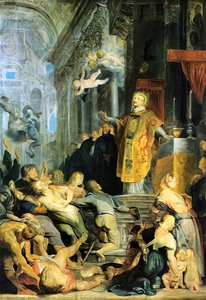
The Three Graces
 Масло на холсте
- Настенный декор
- Baroque
 1639
1639- — Ренессанс
 221.0 x 181.0 cm
 Читать далее
Жикле / Арт-принт
Печать (жикле) или холст музейного качества с быстрыми сроками изготовления и широким выбором вариантов отделки. ( Купить картину ручной работы Купить изображение)




P118B $10

P118H $10

P118W $10

P438Z $10

P508JH $12

P508YH $12

P805H $10

P805Z $10

P919BZ $10

P919G $10

P919XJ $10

P959ZH $10

P968JZ $12

W106C $8

W218G $10

W218JH $8

W218Y $10

W307PJ $10

W316G $10

W316PJ $8

W316Y $10

W398PJ $8

W4111J $10

W500HY $15

W500JH $15

W692G $12

W849H $8

W940BG $15

W953PJ $8




Выберите один из наших стандартных размеров, соответствующих оригинальным пропорциям произведения искусства.

Вы можете указать свои собственные размеры, чтобы репродукция идеально подошла под конкретную раму или пространство. Если выбранный вами размер не будет соответствовать пропорциям оригинала, мы либо обрежем произведение, либо дополним изображение зеркальным отражением краев или однотонной заливкой. Перед началом производства вам будет отправлен цифровой макет для утверждения.
Пожалуйста, обратите внимание, что предварительный просмотр на экране не отображает фактическую обрезку или расширение изображения. Только макет точно покажет финальную композицию.
Несмотря на возможность заказа индивидуальных размеров, мы рекомендуем выбирать размер из предопределенного списка, чтобы сохранить оригинальные пропорции.
Доставка по всему миру () за 2 недели вместо стандартных 4/5 недель. (30 Август)

Бесплатная экспресс-доставка по всему миру

Высококачественный льняной холст

Полное страхование доставки

Гарантия возмещения таможенных пошлин

Гарантия точного соответствия цветов

Политика возврата в течение 60 дней (только при наличии дефектов)

Гарантия возврата 100% средств

Предложение оптовых скидок
 Вариант со стеклом доступен только для размеров менее 110 см

The Three Graces
Жикле / Арт-принт
Размер репродукции
-


Итоговая стоимость
$ 80
The Three Graces: A Baroque Tapestry of Beauty and Allegory
Peter Paul Rubens’ “The Three Graces” is more than just a painting; it's an immersive experience, a vibrant embodiment of the ideals of beauty, grace, and pleasure that defined the High Renaissance and profoundly influenced the Baroque era. Completed in 1639 during his time in Madrid, this masterpiece at the Museo del Prado offers a glimpse into Rubens’ unparalleled ability to capture movement, color, and the very essence of human emotion – all within a meticulously constructed allegorical scene.
At first glance, the painting presents three nude women, seemingly adrift in a tranquil space. However, beneath this surface lies a complex web of symbolism rooted in classical mythology. The Graces—Euphrosyne (representing joy and mirth), Aglaea (symbolizing beauty and splendor), and Thalia (depicting youth and fertility)—were daughters of Zeus and the bringers of good fortune to mortals. Rubens masterfully portrays them not as static figures, but as dynamic presences engaged in a gentle, intimate dance – a shared moment of contemplation and delight. The loose drapery, rendered with an almost tactile quality through Rubens’ signature impasto technique, adds to this sense of movement and vitality.
Rubens' distinctive Baroque style is immediately apparent. He abandons the rigid formality of Mannerism in favor of a dramatic, emotionally charged realism. Notice the explosion of color – rich reds, deep blues, and shimmering golds—that dominates the canvas. These aren’t merely decorative; they are carefully chosen to evoke specific moods and sensations. The lighting, too, is masterful, utilizing *tenebrismo* (a technique borrowed from Caravaggio) to create a dramatic chiaroscuro effect, highlighting the figures while casting the background in shadow. This interplay of light and dark intensifies the sense of drama and draws the viewer’s eye directly to the central group.
Beyond its aesthetic brilliance, “The Three Graces” is deeply embedded within the historical context of the Counter-Reformation. Rubens was a court painter for both Philip IV of Spain and Charles I of England, and his work served as a powerful tool for promoting Catholic ideals. The painting’s celebration of beauty and pleasure resonated with audiences seeking solace and inspiration during a period of religious upheaval. It offered an alternative to the austere austerity often associated with Protestantism, suggesting that earthly delights could be harmonious with spiritual devotion.
The composition itself is carefully orchestrated. The figures are arranged in a shallow space, creating a sense of intimacy and immediacy. The tree behind them isn’t merely a backdrop; it symbolizes life, growth, and the cyclical nature of existence. The subtle inclusion of additional figures—a man on the left, another further back, and two more towards the top-right – adds layers of complexity to the scene, suggesting that beauty and grace are not confined to these three women but are interwoven into the fabric of human experience. Rubens’ ability to seamlessly integrate multiple elements within a single composition is a testament to his artistic genius.
Peter Paul Rubens: A Life Dedicated to Artistic Flourishing
Born in Siegen, Germany in 1577, Peter Paul Rubens was a true Renaissance man—a painter, diplomat, and scholar. His early life was marked by upheaval; following his father’s death, the family relocated to Antwerp, a vibrant center of art and commerce. This move proved pivotal, exposing young Rubens to the artistic traditions of the Netherlands and laying the foundation for his future success.
A formative period in Rubens' career began with training under Adam van Noort, where he honed his technical skills and developed an appreciation for the stylistic nuances of Mannerism. However, it was his journey to Italy between 1600 and 1608 that truly transformed him. He immersed himself in the works of masters like Leonardo da Vinci, Michelangelo, and Raphael, but it was Caravaggio’s dramatic use of light and shadow that had the most profound impact on his artistic vision. Rubens absorbed these influences, developing a dynamic style characterized by vibrant colors, energetic compositions, and an emphasis on emotional expression.
Rubens' career spanned over four decades, during which he produced an astonishing volume of work—over 1,400 paintings, drawings, and prints. He served as court painter to both Philip IV of Spain and Charles I of England, undertaking commissions for royalty, nobility, and religious institutions across Europe. His versatility is remarkable; he excelled in a wide range of genres, including altarpieces, portraits, landscapes, history paintings, and mythological scenes.
Beyond his artistic achievements, Rubens was also a skilled diplomat, serving as an ambassador for the Spanish crown. This role exposed him to diverse cultures and perspectives, enriching his understanding of the world and informing his art. He was knighted by both Philip IV and Charles I in recognition of his service.
The Museo del Prado: A Sanctuary for Artistic Masterpieces
“The Three Graces” is a cornerstone of the Museo del Prado’s collection, representing one of its most beloved and frequently studied works. The museum itself, housed in a former royal palace in Madrid, Spain, stands as a testament to centuries of artistic patronage and cultural heritage.
Founded in 1819, the Prado was initially intended to showcase the art collections of Spanish monarchs. Over time, it has grown to encompass an unparalleled range of European masterpieces, spanning from the Middle Ages to the early 20th century. The museum’s collection includes works by Goya, Velázquez, El Greco, and countless other renowned artists.
Visiting “The Three Graces” at the Museo del Prado is a truly immersive experience. The painting's scale—measuring 221 x 181 cm—allows viewers to appreciate the intricate details of Rubens’ brushwork and the richness of his color palette. The museum provides ample space for contemplation, allowing visitors to fully absorb the beauty and symbolism of this iconic work.
Furthermore, the Prado offers a wealth of contextual information about “The Three Graces,” including scholarly essays, audio guides, and interactive displays that illuminate the painting’s historical significance and artistic techniques. It's a place where art history comes alive, inviting visitors to delve deeper into the world of Peter Paul Rubens and his enduring legacy.
Experience the Baroque Brilliance: Reproductions Available at OriginalUniqueArt.com
At OriginalUniqueArt.com, we are passionate about bringing the beauty of masterworks like “The Three Graces” to a wider audience through meticulously crafted oil painting reproductions. Our skilled artisans painstakingly recreate Rubens’ original techniques and color palette, ensuring that each reproduction captures the essence of the original with stunning accuracy.
We offer a range of sizes and canvas materials to suit your individual needs and preferences. Whether you're seeking a statement piece for your living room or a cherished addition to your art collection, our reproductions provide an authentic and affordable way to own a genuine slice of Baroque history. Explore our selection today and bring the timeless beauty of “The Three Graces” into your home.
Learn More: The Three Graces by Peter Paul Rubens | Peter Paul Rubens | The Museum Prado (Madrid, Spain)
Биография художника
A Life Forged in Baroque Splendor
Sir Peter Paul Rubens, имя, которое звучит с самой сущностью барочной динамики, было гораздо больше, чем просто художником. Он был дипломатом, ученым и культурным архитектором, который фундаментально изменил художественный ландшафт 17-го века Европы. Родился в Сигене, Германия, в 1577 году, его ранние годы были отмечены перемещениями – формирующим опытом, который тонко пронизал его последующие работы подтекстом драмы и эмоциональной глубины. Его отец, Ян Рубенс, юрист, бежавший от религиозных преследований за своими кальвинистскими убеждениями, перевез семью из родного Антивера, тогдашнего города под испанским правлением. Этот первоначальный изгнание внушило молодому Петру Павлу чувство стойкости и адаптивности, качества, которые пригодились ему во время его многогранной карьеры. После смерти отца в 1587 году семья вернулась в Антивер, где он получил гуманическое образование и начал свое художественное обучение примерно в 1590 году, пройдя ученичество у Тобиаса Верхаэхта и Адама ван Ноорта, оттачивая основные навыки рисования и техник живописи. Однако его время с Отто ван Вином оказалось решающим, представив ему богатое наследие искусства Ренессанса – мир, который он вскоре принял во всю полноту.The Italian Awakening and Artistic Synthesis
В 1600 году Рубенс отправился на преобразующее путешествие в Италию – паломничество, которое навсегда сформировало его художеческое видение. В течение восьми лет он погрузился в шедевры Микеланджело, Рафаэля и Тициана, усваивая их мастерство формы, цвета и композиции. Влияние этих ренессансных гигантов отчетливо видно в его ранних итальянских работах, характеризующихся классическими темами и идеализированными фигурами. Однако Рубенс не просто копировал; он синтезировал эти влияния со своим собственным талантом, развивая уникальный стиль, отмеченный яркими цветами, динамичными композициями и чувственным изображением человеческого тела. Он тщательно изучал анатомию, что привело к тому, что фигуры в его работах были полными жизни и движения. Он не только копировал великих мастеров, но и переосмысливал их техники, адаптируя их к своему собственному художественному видению. Он был очарован красотой и гармонией классической скульптуры и архитектуры, что отразилось в его стремлении к идеализированным формам и пропорциям. В то же время, Рубенс не боялся нарушать традиционные каноны, добавляя в свои работы элементы драматизма и эмоциональной экспрессии, характерные для барокко.A Master of Many Forms: Painting Beyond Boundaries
Художественныйoutput Рубена был поразительно разнообразен и простлючен. Он не ограничивал себя одним жанром; вместо этого он преуспел в исторических картинах, мифологических сценах, портретах, пейзажах и религиозных работах – свидетельством своей универсальности и безграничного творчества. Его масштабные полотна, часто предназначенные для церквей, дворцов и общественных пространств, были захватывающими демонстрациями технического мастерства и драматической истории. Снятие с креста (ок. 1616-1617 гг.) является ярким примером его умелого использования света и тени для создания сцены глубокой эмоциональной интенсивности, вовлекая зрителя в самое сердце повествования. *Подъем Креста* (1610-1611 гг.), с его кружащимися фигурами и динамичной композицией, демонстрирует его способность передавать движение и энергию – характерную черту его барочного стиля. Даже в кажущихся статичными сюжетах, таких как *Суд над Парисом* (ок. 1636 г.), Рубенс наполнял их жизнью и жизненной силой благодаря своему яркому цветовому диапазону и чувственному изображению человеческого тела. Его техника была столь же замечательной – мастерское владение маслом, использующее импасто для создания текстуры и глубины, а также деликатные техники глазирования для достижения лучезарных эффектов. Он часто использовал аллегорические фигуры и символические образы, накладывая повествования с сложными значениями, которые приглашали к размышлениям и интерпретациям.Diplomacy, Legacy, and Enduring Influence
Влияние Рубена не ограничивалось сферой искусства. Его дипломатические навыки были высоко оценены в Нидерландах, и он выполнял многочисленные миссии во Францию, Англию и Испанию, заключая договоры и содействуя политическим альянсам – уникальную двойную роль, которая предоставила ему нюансированный взгляд на европейские дела и еще больше укрепила его репутацию человека интеллекта и влияния. В 1630 году он женился на Изабелле Формант, которая стала как его музой, так и частым объектом в его картинах – ее юная красота украшала многие из его поздних работ, воплощая чувственность и жизненную силу, характерные для его стиля. Он продолжал рисовать продуктивно до своей смерти в Антивере в 1640 году, оставив после себя огромное наследие, которое продолжает восхищать и вдохновлять. Его влияние на последующие поколения художников неоценимо; художники, такие как Антони ван Дейк, Якоб Йордаенс и Эжен Делакруа, черпали вдохновение в его динамичных композициях, ярких цветах и чувственных фигурах. Рубенс не просто определил барочный стиль – он возвысил живопись до нового уровня престижа и влияния, укрепив Антивер как крупный центр художественной продукции в 17-м веке. Он остается, спустя столетия, величественной фигурой в истории искусства, свидетельством силы человеческого творчества и вечной привлекательности барокко.Key Characteristics of Rubens’s Style
- Dynamic Composition: Rubens' paintings are known for their energetic and dramatic arrangements of figures.
- Vibrant Color Palette: He employed a rich, warm color scheme that brought his canvases to life.
- Sensuous Figures: His depictions of the human form were characterized by fullness, vitality, and often, overt sensuality.
- Masterful Use of Light and Shadow: Rubens skillfully manipulated light and shadow to create depth, drama, and emotional impact.
- Allegorical Symbolism: His works frequently incorporated allegorical figures and symbolic imagery, adding layers of meaning and complexity.

Рубенс
1577 - 1640 , Германия
Основные сведения
- Artistic Movement Or Style: Барокко
- Artists Or Movements Influenced By This Artist:
- Антони ван Дейк
- Якоб Йордаенс
- Artists Who Influenced This Artist:
- Микеланджело
- Рафаэль
- Тициан
- Date Of Birth: 1577
- Date Of Death: 1640
- Full Name: Пётр Пауль Рубенс
- Nationality: Нидерландский
- Notable Artworks:
- Снятие с креста
- Восхождение Креста
- Портрет Изабеллы Брант
- Place Of Birth: Зиген, Германия
Похожие статьи
Baroque Classicism: Reconciling Drama & Order in 17th-Century Art
Explore the captivating world of Baroque Classicism! Discover its history, key artists like Caravaggio & Rubens, and defining characteristics. Expert insights & high-quality reproductions at OriginalUniqueArt.

10 Шедевров Барокко: Искусство, изменившее мир | OriginalUniqueArt.com
Погрузитесь в мир барокко! 10 шедевров Караваджо, Рембрандта и других великих художников. Узнайте историю создания культовых картин и найдите идеальную репродукцию для вашего интерьера на OriginalUniqueArt.com

Peter Paul Rubens: A Baroque Master's Life, Legacy & Enduring Influence
Discover the life & art of Peter Paul Rubens, the most influential artist of the Flemish Baroque tradition. Explore his masterpieces, legacy, and impact on art history with OriginalUniqueArt.
10 Шедевров Неоклассицизма: Искусство, Определившее Эпоху | OriginalUniqueArt
Погрузитесь в мир неоклассицизма! 10 шедевров от Давида, Канновы и других великих художников. Узнайте историю создания культовых картин и вдохновитесь для интерьера. Репродукции музейного качества на OriginalUniqueArt.com

The Enduring Allure of the Nude: A Historical & Artistic Exploration of the Human Form
Explore the captivating history of nude art! Discover iconic paintings & artists from classical to modern eras. Uncover symbolism, techniques & find museum-quality reproductions at OriginalUniqueArt.