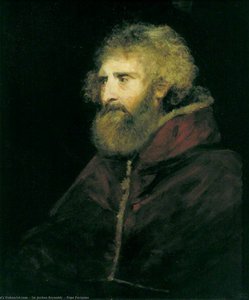
Примерить в интерьере
 Отправить
 Поделиться
 Подробнее
 Руководство

 Скачать
 Похожие объекты
 Рентгенография
 Слайд-шоу
 Q&A
Q&A Статистика
Self-Portrait


 Развернуть текст
Жикле / Арт-принты
Печать (жикле) или холст музейного качества с быстрыми сроками изготовления и широким выбором вариантов отделки. ( Заказать репродукцию ручной работы Перейти к цифровым изображениям)




P118B $10

P118H $10

P118W $10

P438Z $10

P508JH $12

P508YH $12

P805H $10

P805Z $10

P919BZ $10

P919G $10

P919XJ $10

P959ZH $10

P968JZ $12

W106C $8

W218G $10

W218JH $8

W218Y $10

W307PJ $10

W316G $10

W316PJ $8

W316Y $10

W398PJ $8

W4111J $10

W500HY $15

W500JH $15

W692G $12

W849H $8

W940BG $15

W953PJ $8




Выберите один из наших стандартных размеров, соответствующих оригинальным пропорциям произведения искусства.

Введите необходимую ширину и высоту, чтобы репродукция подошла к вашей раме или стене. При печати изображение можно только уменьшить, но нельзя увеличить больше оригинала, поэтому при выборе другого формата часть изображения может быть обрезана. Перед печатью мы отправим вам цифровой макет на утверждение. Изображение на этой странице не отображает реальную обрезку — ее можно увидеть только на макете.
Доставка по всему миру () за 2 недели вместо стандартных 4–5 недель. (2 Ноябрь)

Бесплатная экспресс-доставка по всему миру

Высококачественный льняной холст

Полное страхование при транспортировке

Гарантия возврата таможенных пошлин

Гарантия точного цветового соответствия

100-дневный период возврата (только при обнаружении дефектов)

Гарантия возврата 100% средств

Скидка при заказе нескольких работ
 Вариант со стеклом доступен только для размеров менее 110 см

Self-Portrait
Жикле / Арт-принты
Размер репродукции
-


Итоговая стоимость
$ 80
A Window into the Enlightenment: Sir Joshua Reynolds’ “Self-Portrait”
Sir Joshua Reynolds' "Self-Portrait," painted in 1747-1749, isn’t merely a likeness; it’s a carefully constructed declaration of an artist’s ambition and his understanding of the era. This captivating work, now residing within the esteemed collection of the SCAD Museum of Art in Savannah, offers a rare glimpse into the mind of one of Britain's most influential figures in 18th-century art – a man who fundamentally reshaped the very notion of portraiture. The painting immediately draws the eye with its dramatic lighting, a hallmark of Reynolds’ “Grand Style,” where shadows are sculpted to enhance form and create an atmosphere of both solemnity and vibrant energy. The artist himself is presented not as a humble craftsman, but as a figure of authority and intellectual prowess – his gaze direct and confident, suggesting a man acutely aware of his own importance within the cultural landscape.
A Masterclass in Technique: The Reynoldsian Approach
Reynolds’ skill lies not just in capturing a physical likeness but in imbuing that likeness with character and depth. Observe the meticulous rendering of his wig, styled with an almost theatrical flourish – a deliberate choice reflecting the fashionable sensibilities of the time. The ruffled collar, meticulously detailed, speaks to his status and connection to the aristocratic circles he frequented. But it’s the subtle manipulation of light and shadow that truly elevates the portrait. Reynolds employed a technique known as *chiaroscuro*, expertly contrasting areas of bright illumination with deep shadows, creating a sense of three-dimensionality and drawing attention to key features. The impasto – the thick application of paint – adds texture and visual interest, particularly noticeable in the folds of his clothing and the suggestion of fabric beneath his jacket. This wasn’t simply about painting; it was about sculpting light and form onto canvas.
Echoes of Antiquity: Symbolism and Context
The “Self-Portrait” is deeply rooted in the artistic principles of the Enlightenment, a period characterized by a renewed interest in classical antiquity. Reynolds, heavily influenced by artists like Leonardo da Vinci and Michelangelo, sought to emulate their mastery of anatomy, perspective, and dramatic composition. The pose itself – reminiscent of Roman statues – deliberately connects him to this rich heritage. Furthermore, the inclusion of his ear trumpet, a symbol of his partial deafness acquired during his time in Rome, subtly acknowledges his artistic journey and intellectual pursuits. It’s a quiet testament to the challenges he overcame in pursuit of his craft. The painting also reflects Reynolds' belief that art should be idealized – not a slavish imitation of reality but an elevation of it, reflecting the beauty and harmony inherent within human form.
Beyond the Brush: A Legacy of Influence
Sir Joshua Reynolds’ “Self-Portrait” is more than just a personal depiction; it's a pivotal document in the history of British art. His theories on painting, articulated in his influential *Discourses on Art*, established the "Grand Style," which dominated portraiture for decades and profoundly impacted subsequent generations of artists. He championed the idea that painters should study classical models and strive to create works of beauty and harmony – a philosophy that shifted the focus from mere likeness to artistic expression. The painting’s enduring appeal lies in its ability to transport us back to a pivotal moment in art history, offering a window into the mind of a visionary artist who shaped the course of British painting. Reproductions of this iconic work continue to inspire and captivate, reminding us of the power of art to both reflect and shape our understanding of the world.
- Artist: Sir Joshua Reynolds
- Date: 1747-1749
- Medium: Oil on Canvas
- Location: SCAD Museum of Art, Savannah, United States
Вопросы и ответы
Чем объясняется статус авторского права на «Self-Portrait», Рейнольдс?
«Self-Portrait», Рейнольдс находится в является общественным достоянием — срок действия авторского права истек. Срок действия авторского права исчисляется со смерти художника, которая наступила в 1792.
Кто является автором произведения «Self-Portrait»?
Авторство работы «Self-Portrait» приписывается Рейнольдс.
Какой основной оттенок у «Self-Portrait», Рейнольдс?
Сквозь «Self-Portrait», Рейнольдс проходит Ochre to Sepia-й оттенок.
Биография художника
A Luminary of the Enlightenment: The Life and Art of Sir Joshua Reynolds
Sir Joshua Reynolds, born in 1723 in the charming Devonshire town of Plympton, stands as a towering figure in the annals of British art. His life coincided with a period of profound cultural transformation – the Age of Enlightenment – and his artistic journey profoundly shaped the course of portraiture in England. From humble beginnings, nurtured by a scholarly father, Reynolds’ innate talent for observation and representation blossomed under the tutelage of Thomas Hudson in London, laying the foundation for a career that would ultimately define an era. Hudson's studio wasn’t merely a place of apprenticeship; it was a vibrant microcosm of fashionable society, exposing young Reynolds to the intricate demands and expectations of aristocratic patrons – a crucial element in understanding his later artistic approach. It wasn’t simply about replicating likeness; it was about constructing an image that reflected status, taste, and aspiration, a subtle yet powerful form of social commentary.Forging a ‘Grand Style’ for British Portraiture
Reynolds didn't merely absorb the techniques he learned from Hudson; he embarked on a deliberate quest for artistic innovation, deeply influenced by the masters of antiquity – Raphael, Michelangelo, and Titian. A pivotal moment in his development arrived with his sojourn to Rome in 1750. There, immersed in the heart of classical art, Reynolds absorbed the principles of the ‘Grand Style’ – an approach that prioritized idealized beauty, dramatic composition, and often incorporated allusions to history or mythology. He sought to elevate British portraiture beyond mere representation, imbuing it with a sense of dignity, intellectual weight, and a connection to the enduring values of the past. This ambition led him to experiment with incorporating elements of history painting into his work, frequently depicting his subjects in elaborate costumes and settings reminiscent of classical narratives or historical events – a deliberate strategy designed to elevate their status and imbue them with an aura of timelessness. Reynolds wasn’t simply capturing individuals; he was crafting enduring images that spoke to the ideals of power, intellect, and refinement.The First President and Champion of the Royal Academy
Reynolds' influence extended far beyond his own canvas. Recognizing the need for a formalized institution dedicated to fostering artistic talent and promoting national identity, he played a crucial role in establishing the Royal Academy of Arts in 1768. He was unanimously elected its first president – a position he held with unwavering dedication until his death in 1792. This wasn’t merely a title; it represented a profound shift in the perception of artists within British society. Reynolds tirelessly advocated for the importance of art education, championed the recognition of artists as professionals deserving of respect and patronage, and actively sought to elevate the status of painting alongside other liberal arts. His annual Discourses – lectures delivered to Academy students – became seminal texts on artistic theory and practice, outlining his vision for a distinctly British school of painting rooted in both tradition and innovation. He stressed the importance of meticulous observation of nature, rigorous technical skill, and cultivating an imaginative spirit—a holistic approach designed to nurture truly original artists. Reynolds’ leadership fundamentally transformed the landscape of British art, elevating its status and laying the groundwork for future generations of artistic achievement.Capturing an Era: Notable Works and Enduring Legacy
Reynolds' prolific output encompassed a vast array of portraits, each reflecting the personality and social standing of its subject. His portrait of Duke of Devonshire exemplifies his ability to capture aristocratic power and sophistication with subtle details and masterful composition. The painting exudes an air of authority and refinement, showcasing Reynolds’ skill in conveying both physical likeness and psychological depth. Similarly, Peter Darnell Muilman, Charles Crokatt and William Keable in a Landscape demonstrates his talent for integrating figures seamlessly into natural settings – a technique that added dynamism and narrative to his compositions. Mr and Mrs William Lindow offers a compelling glimpse into the intimacy and social dynamics of family life, revealing Reynolds’ ability to capture nuanced emotions and relationships. Beyond individual portraits, Reynolds excelled at group compositions, skillfully arranging multiple figures within a single frame to create dynamic and engaging narratives that reflected the complexities of British society. His works weren't simply technical exercises; they were carefully constructed stories—portraying the essence of an era through meticulously crafted images. Reynolds’ impact on British art is immeasurable. He not only established portraiture as a respected genre but also profoundly shaped the cultural identity of a nation undergoing rapid social and political change. His emphasis on the ‘Grand Style’ inspired generations of artists, while his leadership of the Royal Academy laid the foundation for the development of a thriving artistic community. Today, his paintings continue to captivate audiences with their elegance, psychological depth, and historical significance—a testament to the enduring power of his vision and artistry. His works are proudly displayed in prestigious collections across the globe, including the Tate Britain in London and the Royal Collection at Hampton Court Palace, ensuring that his legacy will continue to inspire and inform for centuries to come.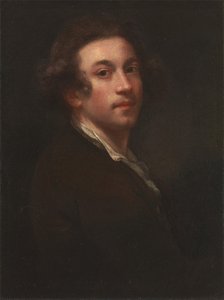
Рейнольдс
1723 - 1792 , Великобритания
Краткая справка
- Artistic Movement Or Style: Гранд Стиль портрета
- Artists Or Movements Influenced By This Artist: ['Томас Худсон']
- Artists Who Influenced This Artist: ['Томас Гадсон']
- Date Of Birth: 1723
- Date Of Death: 1792
- Full Name: Sir Joshua Reynolds
- Nationality: Британский
- Notable Artworks:
- Портрет герцога Девоншира
- Мистер и миссис Уильям Линдоу
- Place Of Birth: Плимут, Великобритания
Похожие статьи
Reflecting the Self: A History of Portraiture & Psychological Insight
Explore the fascinating history of self-portraiture from Renaissance masters like Dürer & Rembrandt to modern interpretations. Discover the psychological insights and artistic techniques behind these iconic works. Expert analysis for art enthusiasts.

The Echo of Self: Reflectivity as a Core Theme in Art History & Contemporary Practice
Explore the rich history of self-representation in art, from Renaissance masters to modern innovators. Discover how artists use portraiture to reveal identity, emotion & the depths of the human psyche. Expert insights for collectors.

Сир Джошуа Рейнольдс: 25 шедевров портретной живописи для ценителей искусства и декора
Погрузитесь в мир Сира Джошуа Рейнольдса! 25 величайших портретов английского искусства XVIII века. Узнайте историю создания шедевров, технику живописи и вдохновитесь для декора интерьера. Репродукции картин высокого качества на OriginalUniqueArt.com.
Sir Joshua Reynolds: Shaping British Art Through Grand Style & Societal Portraiture
Explore the life & work of Sir Joshua Reynolds, a master of British portraiture and founder of the Royal Academy. Discover his 'Grand Style,' techniques, and lasting influence on art history. Learn more at OriginalUniqueArt.

Топ-25 шедевров Британского музея: искусство для вашего дома от OriginalUniqueArt
Погрузитесь в мир искусства с 25 шедеврами Британского музея! Узнайте истории Ван Гога, Моне и других великих художников. Репродукции картин для вашего дома от OriginalUniqueArt.com – вдохновение и качество.