

 Примерить в интерьере
 Отправить
 Поделиться
 Подробнее
 Руководство

 Скачать
 Похожие объекты
 Рентгенография
 Слайд-шоу
 Статистика
Grass and Insects


 Развернуть текст
Жикле / Арт-принты
Печать (жикле) или холст музейного качества с быстрыми сроками изготовления и широким выбором вариантов отделки. ( Заказать репродукцию ручной работы Перейти к цифровым изображениям)




P118B $10

P118H $10

P118W $10

P438Z $10

P508JH $12

P508YH $12

P805H $10

P805Z $10

P919BZ $10

P919G $10

P919XJ $10

P959ZH $10

P968JZ $12

W106C $8

W218G $10

W218JH $8

W218Y $10

W307PJ $10

W316G $10

W316PJ $8

W316Y $10

W398PJ $8

W4111J $10

W500HY $15

W500JH $15

W692G $12

W849H $8

W940BG $15

W953PJ $8




Выберите один из наших стандартных размеров, соответствующих оригинальным пропорциям произведения искусства.

Введите необходимую ширину и высоту, чтобы репродукция подошла к вашей раме или стене. При печати изображение можно только уменьшить, но нельзя увеличить больше оригинала, поэтому при выборе другого формата часть изображения может быть обрезана. Перед печатью мы отправим вам цифровой макет на утверждение. Изображение на этой странице не отображает реальную обрезку — ее можно увидеть только на макете.
Доставка по всему миру () за 2 недели вместо стандартных 4–5 недель. (26 Октябрь)

Бесплатная экспресс-доставка по всему миру

Высококачественный льняной холст

Полное страхование при транспортировке

Гарантия возврата таможенных пошлин

Гарантия точного цветового соответствия

100-дневный период возврата (только при обнаружении дефектов)

Гарантия возврата 100% средств

Скидка при заказе нескольких работ
 Вариант со стеклом доступен только для размеров менее 110 см

Grass and Insects
Жикле / Арт-принты
Размер репродукции
-


Итоговая стоимость
$ 80
Shin Saimdang’s “Grass and Insects”: A Symphony of Color and Quiet Observation
Shin Saimdang (1504–1551), a trailblazing female artist in Joseon dynasty Korea, stands as an emblem of intellectual curiosity and artistic prowess—a woman who defied societal constraints to pursue her passions for poetry, calligraphy, and painting. Her legacy resides not merely in the exquisite beauty of her artwork but also in its profound reflection of the era’s cultural values and philosophical ideals. This examination delves into “Grass and Insects,” one of her most celebrated panels from a monumental ten-panel folding screen—a masterpiece that encapsulates Saimdang's distinctive artistic vision and offers invaluable insight into Korean art history.A Window Into Joseon Aesthetic Principles
“Grass and Insects” exemplifies the dominant aesthetic sensibilities of the late 16th century, characterized by meticulous detail, harmonious color palettes, and a reverence for nature’s subtle grandeur. The screen embodies Neo-Confucian ideals—a belief system that prioritized moral cultivation alongside intellectual pursuits—reflected in Saimdang's careful composition and her masterful execution of brushstrokes. Unlike Western art traditions focused on dramatic narratives or idealized figures, Korean painting during this period favored contemplative scenes depicting landscapes and flora, intended to inspire serenity and contemplation. The screen’s overall design adheres to the principles of “Yonghwa,” meaning “harmonious beauty”—a concept central to Joseon artistic philosophy that sought to achieve balance between form and content.Technique and Material Considerations
Saimdang employed a technique rooted in meticulous observation and painstaking layering—a hallmark of Korean painting at the time. Using mineral pigments mixed with animal glue, she achieved remarkable luminosity and vibrancy, capturing the delicate textures of grass blades and the iridescent sheen of insects’ wings. The screen's surface is covered with thin layers of lacquer, providing protection while enhancing the colors and creating a tactile experience for the viewer. Furthermore, Saimdang skillfully utilized “Ma,” or negative space—a technique that deliberately leaves areas unfilled to create visual balance and emphasize the subject matter—demonstrating an understanding of compositional principles that transcended mere representation. The careful blending of pigments and meticulous brushwork contribute to the screen’s enduring beauty and artistic significance.Symbolism: Echoes of Confucian Thought
Beyond its technical brilliance, “Grass and Insects” resonates with deeper symbolic meanings rooted in Confucian cosmology—a worldview that viewed humanity as intrinsically linked to the natural world. The depiction of various insects—including beetles, dragonflies, cicadas, and moths—represents transformation and renewal—themes central to Confucian teachings concerning reincarnation and moral progress. Similarly, the inclusion of flowers like hibiscus, poppies, and lilies symbolizes purity and virtue—values upheld by Joseon society as markers of moral excellence. The meticulous rendering of grass blades underscores the importance of simplicity and humility—qualities considered essential for achieving inner harmony and cultivating compassion.Emotional Resonance: A Moment Frozen in Time
“Grass and Insects” transcends mere visual representation; it evokes a profound emotional response—a feeling of tranquility and appreciation for the beauty of the natural world. The screen’s muted color palette—dominated by greens, blues, and reds—creates an atmosphere of serenity and contemplation—inviting viewers to pause and reflect on the passage of time. Saimdang's masterful brushwork conveys a sense of quiet observation—capturing not just what is seen but also what is felt—a testament to her artistic sensitivity and her ability to communicate complex ideas through subtle visual cues. Viewing this artwork inspires contemplation about the interconnectedness of humanity and nature, reminding us of the enduring power of art to elevate our spirits and enrich our understanding of the human experience.Concluding Remarks: An Artistic Legacy Enduring Through Centuries
Shin Saimdang’s “Grass and Insects” remains a cornerstone of Korean art history—a testament to her artistic genius and her unwavering commitment to intellectual pursuits. Its harmonious composition, masterful technique, and evocative symbolism continue to captivate audiences today—serving as an enduring reminder of Joseon dynasty Korea's aesthetic ideals and its profound appreciation for the natural world. The screen’s legacy extends beyond its visual splendor; it embodies a spirit of contemplation and moral cultivation—values that resonate powerfully across cultures and generations—solidifying Saimdang’s place as one of Korea’s most celebrated artists and an inspiration to aspiring creatives everywhere.Вопросы и ответы
Насколько известна работа «Grass and Insects» автора Шин Саимдан?
Уровень популярности, зафиксированный для «Grass and Insects», Шин Саимдан, составляет Recognized.
В каком году было создано произведение «Grass and Insects», Шин Саимдан?
Произведение «Grass and Insects», Шин Саимдан было создано в 1500 году.
Можно ли свободно воспроизводить изображение «Grass and Insects», Шин Саимдан?
Произведение «Grass and Insects», Шин Саимдан находится в является общественным достоянием — срок действия авторского права истек. Этот статус определяет правила воспроизведения изображения данного произведения.
Биография художника
Первопроходец среди женщин-художниц эпохи Чосон в Корее
Шин Саимдан, многогранная художница из Южной Кореи, жила в период династии Чосон, оставив неизгладимый след в истории корейского искусства. Родившаяся 29 октября 1504 года в городе Каннын, провинция Канвондо, она была не только живописцем, но и выдающимся писателем, каллиграфом и поэтессой.Ранние годы и истоки таланта
Художественные способности Шин Саимдан проявились с самого раннего детства. Уже в возрасте семи лет она мастерски подражала стилю живописи Ан Гёна, еще одного выдающегося корейского мастера. Дом ее рождения, Оджукхон, который также является родовым домом ее матери, и по сей день прекрасно сохранился, храня память о ее истоках.Художественный вклад и уникальный стиль
Живопись Шин Саимдан, отличающаяся изысканными мазками кисти и яркими красками, представляет собой часть великолепной двенадцатипанельной складной ширмы. Ее произведения, такие как «Травы и насекомые», воспевают многообразие природы, включая арбузы, баклажаны, маки, гибискусы и различных насекомых. Эти полотна можно увидеть в Национальном музее Кореи (Сеул, Южная Корея), где они продолжают вдохновлять ценителей искусства.- посмотреть работы Шин Саимдан в OriginalUniqueArt: https://OriginalUniqueArt.com/@/shin-saimdang
- исследовать коллекцию Национального музея Кореи: /en/art/show/national-museum-of-korea-seoul/
- узнать больше о художественном движении династии Чосон: художественное движение династии Чосон
Наследие и влияние
Наследие Шин Саимдан выходит далеко за пределы ее полотен, так как она также известна как мать И И, прославленного ученого и государственного деятеля эпохи Чосон. Ее жизнь и творчество служат источником вдохновения для многих, воплощая в себе саму суть корейского искусства того периода. Ключевые произведения Шин Саимдан:- «Травы и насекомые» (Национальный музей Кореи, Сеул, Южная Корея)
- другие значимые работы, отличающиеся тонкостью линий и чистотой красок, являющиеся частью двенадцатипанельной ширмы.
- Ан Гён, еще один выдающийся корейский живописец раннего периода Чосон.

Шин Саимдан
1504 - 1551 , Южная Корея
Краткая справка
- Artistic Movement Or Style: Искусство династии Чосон
- Artists Or Movements Influenced By This Artist: Искусство династии Чосон
- Artists Who Influenced This Artist: Ан Гён
- Date Of Birth: 29 октября 1504 г.
- Date Of Death: 1551
- Full Name: Шин Саимдан
- Nationality: Кореянка
- Notable Artworks: ['Травы и насекомые']
- Place Of Birth: Каннын, Южная Корея
Похожие статьи
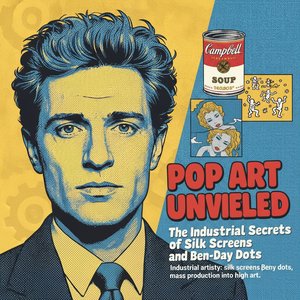
Pop Art Unveiled: The Industrial Secrets of Silk Screens and Ben-Day Dots
Explore the industrial artistry of Pop Art. Delve into the sophisticated history of Ben-Day dots and silk screen techniques that transformed mass media into high art, perfect for discerning collectors seeking deep historical insight and aesthetic excellence.
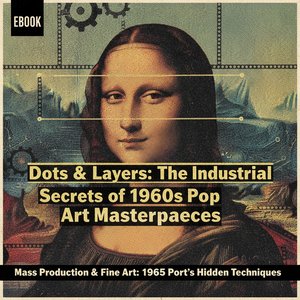
Dots & Screens: The Industrial Secrets Behind 1960s Pop Art Masterpieces
Explore the industrial secrets of 1960s Pop Art. Discover how Ben-Day dots and silk screening transformed mass media into masterpieces by Roy Lichtenstein. An in-depth look at the intersection of mechanical printing and fine art history for students and collectors.

Beyond the Screen: Transforming Personal Memories into Timeless AI-Driven Anime Masterpieces
Experience the magic of digital metamorphosis. Transform your cherished photos into stunning, hand-painted anime masterpieces using our proprietary AI technology and professional artists. Elevate your personal story with a timeless, high-quality oil painting on canvas.
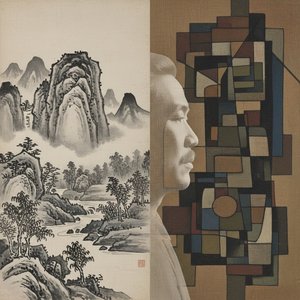
Yi Eungro: Bridging East & West in the Landscape of Korean Modernism
Explore the captivating world of Yi Eungro (Lee Ungno), a pivotal figure in Korean modernism. Discover his unique fusion of Eastern and Western artistic traditions, abstract masterpieces, and lasting legacy. A must-read for discerning art collectors.
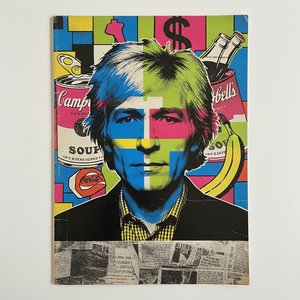
Andy Warhol: Deconstructing Pop Culture & Redefining Artistic Expression
Explore the revolutionary art of Andy Warhol & the Pop Art movement. Discover his iconic techniques, cultural impact, and investment potential. A guide for discerning collectors.