

 Примерить в интерьере
 Отправить
 Поделиться
 Подробнее
 Руководство

 Скачать
 Похожие объекты
 Рентгенография
 Слайд-шоу
 Статистика
Soldiers Gambling


 Развернуть текст
Жикле / Арт-принты
Печать (жикле) или холст музейного качества с быстрыми сроками изготовления и широким выбором вариантов отделки. ( Заказать репродукцию ручной работы Перейти к цифровым изображениям)




P118B $10

P118H $10

P118W $10

P438Z $10

P508JH $12

P508YH $12

P805H $10

P805Z $10

P919BZ $10

P919G $10

P919XJ $10

P959ZH $10

P968JZ $12

W106C $8

W218G $10

W218JH $8

W218Y $10

W307PJ $10

W316G $10

W316PJ $8

W316Y $10

W398PJ $8

W4111J $10

W500HY $15

W500JH $15

W692G $12

W849H $8

W940BG $15

W953PJ $8




Выберите один из наших стандартных размеров, соответствующих оригинальным пропорциям произведения искусства.

Введите необходимую ширину и высоту, чтобы репродукция подошла к вашей раме или стене. При печати изображение можно только уменьшить, но нельзя увеличить больше оригинала, поэтому при выборе другого формата часть изображения может быть обрезана. Перед печатью мы отправим вам цифровой макет на утверждение. Изображение на этой странице не отображает реальную обрезку — ее можно увидеть только на макете.
Доставка по всему миру () за 2 недели вместо стандартных 4–5 недель. (23 Октябрь)

Бесплатная экспресс-доставка по всему миру

Высококачественный льняной холст

Полное страхование при транспортировке

Гарантия возврата таможенных пошлин

Гарантия точного цветового соответствия

100-дневный период возврата (только при обнаружении дефектов)

Гарантия возврата 100% средств

Скидка при заказе нескольких работ
 Вариант со стеклом доступен только для размеров менее 110 см

Soldiers Gambling
Жикле / Арт-принты
Размер репродукции
-


Итоговая стоимость
$ 80
A Shadowed Encounter in the Baroque Night
In the dim, flickering light of a secluded chamber, Salvator Rosa’s Soldiers Gambling unfolds as a masterclass in Baroque tension and atmospheric storytelling. The scene pulls the viewer into a clandestine world where the boundaries between camaraderie and conflict blur within the shadows. Four figures are anchored in this nocturnal setting, their forms emerging from the darkness with a dramatic intensity characteristic of the 17th-century Neapolitan school. One man kneels in focused concentration, while others stand vigil around him, creating a tight, intimate composition that feels both private and voyeuristic. The presence of a simple chair and a dining table, upon which rests a solitary book, suggests a momentary pause in the rigors of military life—a brief, intellectual, or perhaps even desperate diversion amidst the chaos of war.
The technique employed by Rosa is nothing short of evocative, utilizing chiaroscuro to sculpt the figures out of an enveloping gloom. The interplay of light and deep shadow does more than just define shape; it breathes life into the very air of the room, suggesting a heavy, musk-filled atmosphere where every movement feels weighted with significance. As a painter known for his rebellious spirit and unorthodox style, Rosa eschews the polished perfection of his contemporaries in favor of a rugged naturalism. The brushwork, though controlled, possesses an energy that mirrors the restless nature of the soldiers themselves, making the textures of cloth, wood, and skin feel palpably real to the observer.
Symbolism and the Human Condition
Beyond the immediate narrative of a card game, the painting serves as a profound meditation on the fleeting nature of pleasure and the unpredictability of fate. The act of gambling, set within such a somber environment, acts as a powerful metaphor for the precariousness of life during the Baroque era. Each card turned and each wager placed carries the weight of destiny, mirroring the soldiers' own lives which could be altered by a single moment of fortune or misfortune. The inclusion of the book on the table introduces a fascinating layer of symbolism; it hints at the duality of the soldier’s existence—the tension between the raw, instinctual drive for survival and the lingering presence of civilization and intellect.
For the discerning collector or interior designer, this piece offers an unparalleled emotional depth. It is not merely a depiction of a historical moment, but an invitation to contemplate the shadows within the human psyche. The painting’s dark palette and dramatic composition make it a commanding centerpiece for a sophisticated study, a library, or a formal lounge, where its moody elegance can anchor the room's aesthetic. Owning a high-quality reproduction of this masterpiece allows one to bring the haunting beauty and historical gravity of Salvator Rosa’s vision into a modern space, providing a window into an era defined by passion, peril, and the enduring search for light amidst the dark.
Вопросы и ответы
Является ли произведение «Soldiers Gambling» общественным достоянием?
Статус авторского права для «Soldiers Gambling», Салватор Роса: произведение находится в является общественным достоянием — срок действия авторского права истек. Это определяет, допускается ли свободное воспроизведение изображения.
Из чего выполнено произведение «Soldiers Gambling» и в каком стиле оно создано?
«Soldiers Gambling» выполнено в технике Oil в стиле Baroque Painting.
К какому стилю относится «Soldiers Gambling»?
Художественное направление, к которому относится «Soldiers Gambling», Салватор Роса, — это Baroque Painting. Такая классификация позволяет соотнести данную работу с другими произведениями и мастерами того же периода.
Биография художника
Salvator Rosa (1615 - 1673)
Salvator Rosa, an italian baroque painter, poet, and printmaker, was born in arenella, naples, on either june 20 or july 21, 1615. his mother, giulia greca rosa, was a member of one of the greek families of sicily. despite his father's wishes for him to become a lawyer or priest, salvator showed a preference for the arts from an early age.- Early Life and Training: Salvator Rosa’s artistic journey began in arenella, where he received formative instruction from his brother-in-law Francesco Fracanzano and later honed his skills under Aniello Falcone and Giuseppe de Ribera. This exposure to prominent baroque masters instilled in him a distinctive style characterized by dramatic landscapes and psychological depth.
- Artistic Style: Rosa’s artistic approach defied convention, rejecting the rigid formalism of his contemporaries and embracing an expressive freedom that would later resonate with Romantic artists. He skillfully blended naturalism—inspired by Ribera—with classical influences from Poussin, creating images imbued with philosophical contemplation.
Notable Works
Rosa’s oeuvre encompassed a remarkable range of subjects, reflecting his intellectual curiosity and artistic versatility. Among his most celebrated paintings are "View of the Gulf of Salerno", a breathtaking depiction of the Campania coast capturing the raw beauty of nature; "Study for 'Il Genio di Rosa", an unfinished masterpiece showcasing Rosa’s experimental technique and visionary imagination; and "Grotto with Cascades", a sublime portrayal of a secluded waterfall scene embodying the grandeur of the baroque aesthetic. These works stand as testament to his unparalleled ability to convey emotion and intellectual insight through visual art.Influences and Artistic Legacy
Rosa’s artistic sensibilities were profoundly shaped by thinkers like Pythagoras, whose philosophical ideas permeated his paintings—particularly "Pythagoras Emerging From The Underworld". This monumental composition exemplifies Rosa's commitment to exploring profound themes of mortality and regeneration through symbolic imagery. Furthermore, he drew inspiration from Giuseppe de Ribera’s naturalistic style and Luca Giordano’s theatrical flair, integrating these influences into his own distinctive artistic vision. His influence extended beyond his immediate contemporaries, inspiring subsequent generations of artists who championed expressive liberty and pursued innovative approaches to landscape painting.Historical Significance
Salvator Rosa occupies a pivotal position in the history of baroque art—a movement characterized by grandeur, emotion, and dramatic theatricality. He challenged prevailing artistic conventions, advocating for an uncompromising pursuit of artistic freedom and rejecting the constraints imposed by academic dogma. His rebellious spirit foreshadowed the Romantic sensibility, securing his place as a precursor to this influential artistic movement and cementing his enduring legacy as one of italy’s most original and visionary painters. Rosa's poetic output further solidified his reputation as a multifaceted intellectual figure—a painter, poet, and printmaker who embodied the ideals of the baroque era.Important Links
Explore more about Salvator Rosa: Salvator Rosa on OriginalUniqueArt Wikipedia: Salvator Rosa
Салватор Роса
1615 - 1673 , Италия
Краткая справка
- Artistic Movement Or Style: Baroque art
- Artists Or Movements Influenced By This Artist: ['Romanticism']
- Artists Who Influenced This Artist: ['José de Ribera']
- Date Of Birth: June 20, 1615
- Date Of Death: 1673
- Full Name: Salvator Rosa
- Nationality: Italian
- Notable Artworks:
- View of the Gulf of Salerno
- Study for 'Il Genio di Rosa
- Grotto with Cascades
- Place Of Birth: Arenella, Sicily
Похожие статьи

The Dramatic Flourish: Exploring the Baroque Movement's Enduring Legacy in Art History
Explore the dramatic world of Baroque art! Discover iconic artists like Caravaggio & Rubens, defining techniques, and its lasting impact on art history. Expert insights for collectors & enthusiasts at OriginalUniqueArt.

Барочная драма: Искусство величия в современном интерьере
Погрузитесь в мир роскоши и величия барокко! Узнайте об истории стиля, ключевых элементах интерьера и архитектуре. Вдохновляйтесь с и создайте свой неповторимый дизайн.

10 Шедевров Барокко: Искусство, изменившее мир | OriginalUniqueArt.com
Погрузитесь в мир барокко! 10 шедевров Караваджо, Рембрандта и других великих художников. Узнайте историю создания культовых картин и найдите идеальную репродукцию для вашего интерьера на OriginalUniqueArt.com

Salvator Rosa: A Baroque Rebel's Vision of Landscape, Allegory & the Human Condition
Explore the captivating world of Salvator Rosa, a rebellious Baroque master. Discover his dramatic landscapes, allegorical paintings & lasting influence on Romanticism. Hand-painted reproductions available at OriginalUniqueArt.
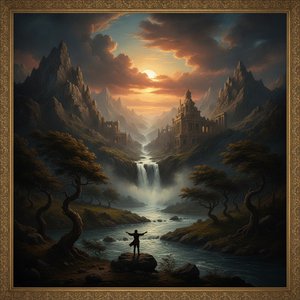
Epic Drama & Dark Vibes: The Ultimate Collector's Guide to Baroque Landscapes
Master the art of drama with our ultimate guide to Baroque landscapes. Discover the power of chiaroscuro, explore legendary masters, and learn how to curate epic, dark-vibe masterpieces for your collection with expert insights from OriginalUniqueArt.


