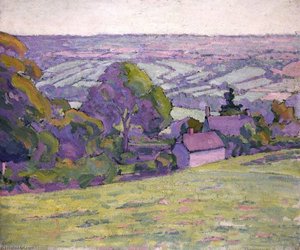
The Chestnut Tree
Oil On Canvas
WallArt
Impressionistic Modernism
1916
50.0 x 60.0 cm
Ашмолейский музей
Масляная репродукция ручной работы
Картина маслом на холсте в выбранном вами размере и раме, написанная на заказ нашими художниками.
P118B $10
P118H $10
P118W $10
P438Z $10
P508JH $12
P508YH $12
P805H $10
P805Z $10
P919BZ $10
P919G $10
P919XJ $10
P959ZH $10
P968JZ $12
W106C $8
W218G $10
W218JH $8
W218Y $10
W307PJ $10
W316G $10
W316PJ $8
W316Y $10
W398PJ $8
W4111J $10
W500HY $15
W500JH $15
W692G $12
W849H $8
W940BG $15
W953PJ $8
Выберите один из наших стандартных размеров, соответствующих оригинальным пропорциям произведения искусства.
Вы можете указать собственные размеры, чтобы картина идеально вписалась в выбранную раму или пространство. Если выбранный вами размер не соответствует пропорциям оригинала, мы либо обрежем полотно, либо расширим его за счет дополнительных элементов, написанных вручную. Цифровой макет будет отправлен вам на утверждение перед началом производства.
Обратите внимание, что предварительный просмотр на экране не отражает фактическую обрезку или расширение. Только макет точно покажет окончательную композицию.
Хотя доступны индивидуальные размеры, мы рекомендуем выбирать вариант из предопределенного списка, чтобы сохранить исходные пропорции.
После оформления заказа команда OriginalUniqueArt.com свяжется с клиентом по электронной почте для уточнения деталей и предоставит предварительный макет
Доставка по всему миру () за 3–4 недели вместо стандартных 5 недель. (22 Июль). Без компромиссов в качестве.
Бесплатная экспресс-доставка по всему миру
Высококачественный льняной холст
Полное страхование доставки
Гарантия возмещения таможенных пошлин
Гарантия точного соответствия цветов
Политика возврата в течение 60 дней (только при наличии дефектов)
Гарантия возврата 100% средств
Предложение оптовых скидок
The Chestnut Tree
Техника репродукции
Размер репродукции
-
Итоговая стоимость
-
Описание произведения
A Window into Rural Tranquility: Exploring Robert Bevan’s “The Chestnut Tree”
Robert Bevan's "The Chestnut Tree," painted in 1916–1919, stands as a cornerstone of British Modernism—a testament to the burgeoning artistic spirit of its time and a beautifully rendered depiction of rural England. Currently residing within the Ashmolean Museum’s collection in Oxford, this oil on canvas masterpiece transcends mere representation; it embodies a profound engagement with color, composition, and the subtle nuances of landscape painting. Bevan's stylistic approach firmly rooted itself in Impressionism but swiftly moved beyond its limitations, embracing bolder brushstrokes and prioritizing emotional resonance over photographic accuracy—a characteristic that distinguishes him from contemporaries like Alexander Young, whose pastoral scenes similarly captured the beauty of the countryside.- Style & Influences: Bevan’s artistic vision drew heavily from Impressionistic principles yet pushed boundaries toward a more expressive style. Comparisons to Alexander Young highlight shared stylistic inclinations in portraying idyllic rural landscapes.
- Color Palette: The painting's dominant hues—primarily blues and whites—establish an atmosphere of serenity, mirroring the tranquil mood conveyed by similar works like Landøen in Asker by Aksel Waldemar Johannessen. These colors aren’t merely decorative; they actively contribute to the overall feeling of peace and contemplation.
- Composition & Technique: Bevan skillfully employs compositional techniques to guide the viewer's gaze, creating a sense of depth and movement—a hallmark of Modernist painting. The artist’s meticulous brushwork captures the texture of bark and foliage with remarkable precision.
Elements of Scene and Symbolism
“The Chestnut Tree” presents a carefully constructed tableau featuring a modest farmhouse nestled amidst rolling hills populated by cows and pigs—a quintessential image of rural Britain during the First World War era. A solitary figure occupies the foreground, subtly hinting at human connection within this natural setting. However, the centerpiece is undoubtedly the chestnut tree itself, dominating the composition with its upward-reaching branches symbolizing resilience and aspiration against a backdrop of muted blues and whites. The tree’s presence speaks to themes of permanence amidst change—a poignant reflection of Britain's experience during wartime.- Farmhouse & Animals: Representing traditional rural life, the farmhouse and livestock embody stability and heritage.
- The Chestnut Tree: Symbolizing strength and hope, its branches reach towards the sky, conveying a message of perseverance.
Comparative Works & Artistic Legacy
Similar themes and stylistic considerations can be observed in paintings such as Landøen in Asker by Aksel Waldemar Johannessen and “The Chestnut Tree” by Robert Polhill Bevan (available on OriginalUniqueArt.com), demonstrating the widespread fascination with capturing rural landscapes during this period. Bevan’s contribution to British art is significant, marking a pivotal moment in transitioning from Impressionism toward more emotionally driven artistic expressions. His work continues to inspire collectors and interior designers seeking pieces that evoke tranquility and celebrate the beauty of the natural world.Own a Piece of Art History
High-quality reproductions of Robert Bevan’s “The Chestnut Tree” are available on OriginalUniqueArt.com, allowing you to bring this iconic artwork into your home or office—a tangible connection to British Modernism and a celebration of rural serenity. Explore the beauty of Bevan's vision today!Биография художника
Robert Polhill Bevan (1865–1925): British Painter & Camden Town Group Founder
Robert Polhill Bevan, born in Hove in 1865, occupies a pivotal yet often understated position within the narrative of early 20th-century British art. Emerging from a Quaker background steeped in banking connections – his parents were Richard Alexander Bevan and Laura Maria Polhill – he defied conventional expectations to become a daring innovator, a key figure in the transition from Impressionism towards more radical explorations of color and form. His journey was one of constant experimentation, absorbing influences from across Europe while forging a distinctly personal artistic vision that would profoundly impact the development of modern art in Britain. Bevan’s early education at Westminster School of Art under Fred Brown provided a solid foundation, but it was his subsequent studies at the Académie Julian in Paris that truly ignited his creative spark. There, he encountered a constellation of rising stars – Paul Sérusier, Pierre Bonnard, Édouard Vuillard, and Maurice Denis – artists who were challenging academic conventions and embracing new approaches to painting. These encounters proved formative, exposing Bevan to the principles of synthetism and laying the groundwork for his future explorations.Early Influences & Parisian Awakening
Bevan’s artistic sensibilities were profoundly shaped by his formative years in Paris. The Académie Julian served as a crucible for innovation, immersing him in the vibrant intellectual atmosphere of the Belle Époque and introducing him to the groundbreaking ideas circulating amongst avant-garde artists. He was particularly captivated by the work of Paul Gauguin and Pierre Bonnard, whose bold use of color and simplified forms resonated deeply with his own artistic inclinations. These encounters instilled in Bevan a conviction that art should transcend mere representation, prioritizing emotional expression and capturing the essence of experience—a belief that would permeate his subsequent oeuvre. The influence of Maurice Denis’s emphasis on decorative elements and symbolic imagery further broadened Bevan's aesthetic horizons, encouraging him to consider how visual language could convey complex ideas and emotions. Importantly, Bevan wasn’t alone in this pursuit; he collaborated closely with fellow artists like Joseph Crawhall, fostering a dynamic exchange of perspectives that fueled his artistic development.Brittany & The Fauvist Impulse
The allure of Brittany proved irresistible to Bevan, propelling him on two significant expeditions between 1890 and 1891. Drawn to Pont-Aven’s distinctive landscape—characterized by rugged coastlines, verdant hillsides, and expansive skies—he absorbed the spirit of Gauguin's artistic vision. The bold colors championed by Gauguin – particularly crimson reds and ultramarine blues – exerted a powerful influence on Bevan’s early drawings and prints, prompting him to experiment with chromatic intensity as a means of conveying emotion. This fascination with pure color foreshadowed the emergence of Fauvism on the continent, demonstrating Bevan's willingness to embrace radical stylistic departures from traditional conventions. His paintings during this period—such as “The Chestnut Tree” and “Landscape in the Blackdown Hills”—are imbued with an unmistakable vibrancy, reflecting his immersion in Breton artistic culture and signaling a decisive step toward establishing his own distinctive aesthetic voice.Camden Town & The Pursuit of Modern Expression
Bevan’s artistic trajectory gained momentum through his involvement with the Camden Town Group—a collective of artists who sought to redefine British art by rejecting academic formalism and embracing expressive abstraction. Founded in 1911, this group comprised influential figures like Spencer Gore and Charles Ginner, united by a shared commitment to depicting modern urban life and exploring new visual languages. Bevan’s membership in Camden Town fostered collaboration and intellectual stimulation, propelling him toward bolder stylistic experiments—most notably his adoption of divisionist techniques reminiscent of Cézanne and Signac. His paintings from 1912-13 exemplify this approach, utilizing fragmented brushstrokes and juxtaposed colors to capture the dynamism of the cityscape and convey a sense of psychological depth. The Camden Town Group’s ethos—characterized by an openness to experimentation and a rejection of stylistic constraints—provided Bevan with invaluable guidance as he navigated the evolving landscape of British art in the years leading up to World War I.Legacy & Enduring Influence
Robert Polhill Bevan's contribution to British modernism extends far beyond his individual artworks. He stands as a pivotal figure for understanding the complex evolution of painting during this transformative era, embodying the spirit of innovation and artistic courage that defined the movement. His pioneering use of Fauvist principles—particularly in his exploration of color palettes—established him as a forerunner of stylistic developments that would resonate throughout subsequent decades. Furthermore, Bevan’s role in founding the Camden Town Group cemented his place within British art history, shaping the collective vision of artists determined to redefine artistic conventions and engage with contemporary social realities. His paintings continue to captivate audiences today, serving as enduring reminders of Bevan's unwavering commitment to expressive abstraction and his profound impact on the trajectory of British art—a legacy that secures his position as one of the most important figures in the history of modern British painting.Роберт Поли́лл Бевэн
1865 - 1925 , Великобритания
Основные сведения
- Artistic Movement Or Style: Фавизм, Дивионизм
- Artists Or Movements Influenced By This Artist: ['Камбденский кружок']
- Artists Who Influenced This Artist:
- Павел Гугенхайм
- Эрнест Ремарк
- Жорж Сьюзе
- Date Of Birth: 1865
- Date Of Death: 1925
- Full Name: Robert Polhill Bevan
- Nationality: Британский
- Notable Artworks:
- Полевые работы
- Трансбортовая телега
- Place Of Birth: Хайвердж, Англия

Вариант со стеклом доступен только для размеров менее 110 см