Cubism · 1912
Window (Робер Делоне, 1912)
Робер Делоне (1885–1941) создал(а) Window. Создано в 1912. Относится к направлению Cubism. Выполнено в технике Oil. Хранится в Tate Liverpool в Ливерпуль, Соединенное Королевство.
- 1912
- Oil
- Tate Liverpool, Ливерпуль

 Предпросмотр

 Картина маслом ручной работы
 Поделиться
 Поделиться
 Информационный лист


 Скачать
 Похожие предметы
 Рентгенография
 Слайд-шоу
 Вопросы и ответы

 Статистика просмотров
Window вкратце
- Название
- Window
- Автор
- Робер Делоне (1885–1941)
- Дата рождения художника
- Париж, Франция
- Дата
- 1912
- Техника
- Oil
- Где посмотреть
- Tate Liverpool, Ливерпуль, Соединенное Королевство
- Движение
- Cubism
- Период
- Modern
- Сюжет
- abstract, geometric shapes, color palette, window motif, orphism influence, luminosity
Что изображено на Window?
A Symphony of Light and Geometry
In the early twentieth century, as the world stood on the precipice of profound transformation, Robert Delaunay captured a moment of pure, luminous transcendence in his 1912 masterpiece, "Window." This work is far more than a mere depiction of a windowpane; it is an invitation to witness the birth of Orphism, a movement that sought to liberate color from the constraints of representational form. To gaze upon this painting is to step into a realm where light does not simply illuminate objects but becomes the subject itself. Delaunay masterfully distills the sensory experience of perception, transforming a simple architectural element into a complex mosaic of interlocking rectangles and vibrant squares that seem to pulse with an internal energy.
The brilliance of "Window" lies in its ability to evoke a sense of rhythmic movement through static shapes. Through a sophisticated technique of layered paint application—often incorporating the rich, tactile quality of encaustic wax alongside traditional oils—Delaunay achieved a depth that feels almost ethereal. The subtle gradations of pigment within each geometric cell create a shimmering effect, reminiscent of sunlight filtering through stained glass. This meticulous manipulation of color density allows the viewer to experience a visual dynamism that transcends the flat surface of the canvas, making the piece feel as though it is breathing with light.
The Orphic Vision: Color as Emotion
At the heart of this composition lies the radical philosophy of Orphism. Moving away from the analytical fragmentation of Cubism, Delaunay and his contemporaries embraced a more lyrical approach, prioritizing the emotional resonance of pure color. In "Window," there is no attempt to replicate the naturalistic world; instead, the artist uses hues of deep blue, radiant yellow, and warm orange to communicate a sense of harmony and cosmic order. This focus on pure abstraction allows the painting to function as an emotional landscape, where the interplay of light and shadow serves as a metaphor for the clarity and chaos of human existence.
For the discerning collector or interior designer, this piece offers a unique opportunity to introduce a focal point of sophisticated energy into a space. The painting’s vibrant palette and structured composition make it an ideal centerpiece for modern, minimalist, or even classical interiors, providing a burst of intellectual and visual stimulation. It does not merely decorate a wall; it transforms the atmosphere of a room, inviting contemplation and a renewed appreciation for the beauty found in geometric precision.
A Legacy of Harmony Amidst Change
The historical context of "Window" adds a layer of profound poignancy to its visual splendor. Created during an era of significant societal upheaval, the painting serves as a radiant antidote to the anxieties of the pre-war period. While much of the art of this time grappled with the fragmentation of reality, Delaunay sought to synthesize it, finding a way to weave disparate elements into a cohesive, beautiful whole. This pursuit of geometric harmony reflects a deep-seated desire for stability and beauty amidst a changing world.
Owning a high-quality reproduction of this seminal work allows one to possess a fragment of art history—a piece that embodies the courage of innovation and the timeless allure of light. "Window" remains a testament to the power of abstraction to touch the human spirit, offering a window not just into a room, but into the very essence of light and color.
В каком музее находится Window?
Tate Liverpool
Ливерпуль, Соединенное Королевство
Тате Ливерпуль: Маяк Современного Искусства Среди Наследия Доков Расположенная в историческом Королевском доке Ливерпуля, Тате Ливерпуль является свидетельством как художественной инновации, так и адаптивного повторного использования – поразительной двойственности, определяющей ее сущность. Основанная в 1988 году, галерея предприняла амбициозный проект под руководством James Stirling Architects, превратив заброшенный склад в яркое пространство для демонстрации современного искусства наряду с британскими шедеврами начиная с эпохи Тюдоров. Один этот архитектурный подвиг укрепил место Тате Ливерпуль как символа гражданской гордости и художественного видения.

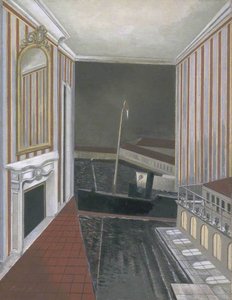

Изображения в высоком разрешении: Window

Общественное достояние: художник умер в 1941.
Другие размеры, фрагменты и цитирование →Робер Делоне, Window (1912), Tate Liverpool. Общественное достояние
Ответы на вопросы о Window
Где сегодня можно увидеть «Window», Робер Делоне?
Оригинал произведения «Window», Робер Делоне хранится в Tate Liverpool, Ливерпуль, Соединенное Королевство. Репродукция позволяет украсить этим шедевром ваш дом.
В каком году было создано произведение «Window», Робер Делоне?
«Window», Робер Делоне был создан в 1912 году.
В какой технике выполнено произведение «Window», Робер Делоне?
Техника исполнения работы «Window», Робер Делоне — Oil. Репродукции стремятся максимально точно передать особенности этой техники.
Что изображено на картине «Window», Робер Делоне?
Сюжеты произведения «Window» — это abstract, geometric shapes, color palette, window motif, orphism influence, luminosity, composition.
Является ли произведение «Window» свободным от авторских прав?
Статус авторского права для «Window», Робер Делоне: произведение находится в общественное достояние — срок действия авторского права истёк. Это определяет, допускается ли свободное воспроизведение изображения.
Какому художнику приписывают работу «Window»?
Автор произведения «Window» — Робер Делоне. Работа внесена в каталог под именем Робер Делоне.
К какому стилю относится «Window»?
Художественное направление, к которому относится «Window», Робер Делоне, — это Cubism. Такая классификация позволяет соотнести данную работу с другими произведениями и мастерами того же периода.
К какому периоду творчества Робер Делоне относится работа «Window»?
«Window» относится к Mature Period художника Робер Делоне.
В каком возрасте Робер Делоне создал(а) «Window»?
Робер Делоне создал(а) «Window» в возрасте 27 лет. Художник родился в 1885, а датировка работы относится к 1912 году.
Об авторе, Робер Делоне

1885–1941, Франция
Робер Делоне
Robert Delaunay: A Pioneer of Abstract Color Robert Delaunay, born in Paris on April 12, 1885, emerged as a pivotal figure in the radical artistic transformations of the early twentieth century. Though initially drawn to more traditional forms of painting—particularly decorative arts—his artistic journey swiftly propelled him toward an exploration of color and light that would ultimately define his legacy and contribute significantly to the genesis of abstract art. Delaunay wasn’t merely concerned with *representing* reality; he aspired to capture its essence through a vibrant language of geometric shapes and luminous hues, co-founding the Orphism movement alongside Sonia Delaunay, Jean Metzinger, and others who shared his visionary perspective. His formative years were marked by familial instability—his parents divorced when he was young—yet this perhaps fostered an independent spirit that proved invaluable in challenging artistic conventions prevalent at the time.
Другие работы Робер Делоне
 Город Париж1912
 Башни Эйфеля1914
 The Eiffel Tower1910
 The Three Graces1912
Эссе к произведению Window
 Геометрическая абстракция: 10 шедевров, изменивших искусство | OriginalUniqueArt.comПогрузитесь в мир геометрической абстракции! От Кандинского до Малевича – 10 шедевров, изменивших искусство. Узнайте историю создания и зна…
 Mastering the Post-Impressionist Vision: A Definitive Guide to the Geometric Soul of Cézanne’s ArtistryExplore the profound legacy of Paul Cézanne. Discover how his mastery of geometric forms and vibrant color bridged Impressionism and Cubism…
 Orphism vs Synchromism: Distinguishing Color, Light, and FormMaster the distinction between Orphism and Synchromism through expert analysis of color and form. Explore the roots of abstraction now.