High Renaissance · 1520
The Transfiguration (detail) (Рафаэль Санти, 1520)
Рафаэль Санти (1483–1520) создал(а) The Transfiguration (detail). Создано в 1520. Относится к направлению High Renaissance. Выполнено в технике Oil On Panel.
- 1520
- Oil On Panel

 Предпросмотр

 Картина маслом ручной работы
 Поделиться
 Поделиться
 Информационный лист


 Скачать
 Похожие предметы
 Рентгенография
 Слайд-шоу
 Вопросы и ответы

 Статистика просмотров
The Transfiguration (detail) вкратце
- Название
- The Transfiguration (detail)
- Автор
- Рафаэль Санти (1483–1520)
- Дата рождения художника
- Урбино, Италия
- Дата
- 1520
- Техника
- Oil On Panel
- Движение
- High Renaissance
- Период
- Renaissance
- Сюжет
- biblical narrative, religious symbolism, divine light, renaissance art, christ figure, mount tabor
Что изображено на The Transfiguration (detail)?
A Divine Revelation Captured in Light and Color
The Raphael (Raffaello Sanzio Da Urbino)’s *The Transfiguration*, completed in 1520, stands as an unparalleled achievement of High Renaissance artistry—a testament to Raphael’s mastery of perspective, color theory, and humanist ideals. Currently residing within the Pinacoteca Vaticana, this monumental painting transcends mere representation; it embodies a profound spiritual narrative rooted in Christian theology. Commissioned by Cardinal Giulio de' Medici (later Pope Clement VII), *The Transfiguration* exemplifies the artistic fervor that characterized Rome during its papal ascendancy.- Subject Matter: The artwork depicts the biblical episode recounted in Matthew, Mark, and Luke—Jesus’ ascension to Mount Tabor alongside Moses and Elijah. This dramatic scene portrays Christ transforming before his disciples' eyes into a radiant figure bathed in heavenly light, symbolizing divine glory and spiritual transcendence.
- Style & Technique: Raphael skillfully employs pyramidal composition—a hallmark of Renaissance art—to create stability and grandeur. The meticulous attention to detail is evident throughout the painting, from the folds of Christ’s robe to the expressions on the faces of Moses and Elijah, demonstrating Raphael's dedication to anatomical accuracy and realistic portrayal. Fresco technique was utilized, ensuring durability and preserving the vibrancy of color for centuries.
Historical Context: The Renaissance Spirit Embodied
Painted at the apex of the Italian Renaissance—a period marked by intellectual curiosity, artistic innovation, and humanist revival—*The Transfiguration* reflects the broader cultural landscape of its time. Raphael’s work aligns seamlessly with the prevailing fascination for classical ideals and biblical narratives, demonstrating a desire to elevate human experience through contemplation of divine beauty. The painting's placement within the cathedral of S. Giusto in Narbonne underscores its significance as a devotional artwork intended to inspire awe and reverence.
Symbolism: Light, Revelation, and Heavenly Grace
The pervasive luminescence dominating *The Transfiguration* serves as a central symbol—representing divine illumination and spiritual enlightenment. Moses and Elijah, figures revered for their prophetic roles in Jewish tradition, stand alongside Christ, symbolizing law and prophecy respectively – representing the Old Testament and New Testament faiths united. The birds perched atop Mount Tabor are interpreted as emblems of freedom and divine grace, furthering the painting’s overarching message of redemption and spiritual ascension.
Emotional Impact: A Moment Frozen in Time
*The Transfiguration* continues to captivate viewers with its breathtaking beauty and profound emotional resonance. Raphael's masterful manipulation of color—particularly the golden hues illuminating Christ—evokes feelings of serenity, majesty, and spiritual contemplation. The painting’s enduring appeal lies in its ability to convey a timeless narrative of faith, hope, and divine revelation—a masterpiece that secures Raphael’s place among the greatest artists of all time.
Discover More About This Iconic Artwork
For a deeper understanding of *The Transfiguration* and its artistic legacy, explore resources such as Wikipedia (
Изображения в высоком разрешении: The Transfiguration (detail)

Общественное достояние: художник умер в 1520.
Другие размеры, фрагменты и цитирование →Рафаэль Санти, The Transfiguration (detail) (1520). Общественное достояние
Ответы на вопросы о The Transfiguration (detail)
В каком году было создано произведение «The Transfiguration (detail)», Рафаэль Санти?
Создание «The Transfiguration (detail)», Рафаэль Санти датируется 1520 годом.
В какой технике выполнено произведение «The Transfiguration (detail)»?
Для создания «The Transfiguration (detail)» Рафаэль Санти использовал(а) технику Oil On Panel. Эта техника определяет материальную природу оригинального произведения.
Что изображено на картине «The Transfiguration (detail)»?
На полотне «The Transfiguration (detail)», Рафаэль Санти изображены: biblical narrative, religious symbolism, divine light, renaissance art, christ figure, mount tabor, holy trinity.
Является ли произведение «The Transfiguration (detail)», Рафаэль Санти общественным достоянием?
Произведение «The Transfiguration (detail)», Рафаэль Санти находится в общественное достояние — срок действия авторского права истёк. Этот статус определяет правила воспроизведения изображения данного произведения.
Кто является автором работы «The Transfiguration (detail)»?
Авторство работы «The Transfiguration (detail)» приписывается Рафаэль Санти.
К какому стилю относится «The Transfiguration (detail)»?
Художественное направление, к которому относится «The Transfiguration (detail)», Рафаэль Санти, — это High Renaissance. Такая классификация позволяет соотнести данную работу с другими произведениями и мастерами того же периода.
К какому периоду творчества Рафаэль Санти относится произведение «The Transfiguration (detail)»?
«The Transfiguration (detail)» относится к Mature Period в творчестве Рафаэль Санти. Данная классификация позволяет проследить развитие мастера.
Сколько лет было Рафаэль Санти, когда была создана работа "The Transfiguration (detail)"?
Рафаэль Санти создал(а) «The Transfiguration (detail)» в возрасте 37 лет. Художник родился в 1483, а датировка работы относится к 1520 году.
Каков правовой статус произведения «The Transfiguration (detail)», Рафаэль Санти с точки зрения авторского права?
Произведение «The Transfiguration (detail)» за авторством Рафаэль Санти находится в общественное достояние — срок действия авторского права истёк. Срок действия авторского права исчисляется со дня смерти автора; Рафаэль Санти скончался(а) в 1520 году.
Об авторе, Рафаэль Санти

1483–1520, Италия
Рафаэль Санти
Жизнь и сущность Рафаэля Рафаэль, известный истории под разными именами, включая Раффаэлло Санцио, Раффаэлло Санти и Раффаэлло Санцио да Урбино, был центральной фигурой итальянского Высокого Возрождения. Его жизнь была определена двойным мастерством — в живописи и архитектуре; эта универсальность позволяла ему легко переходить от интимного масштаба портрета к монументальным требованиям папского строительства. Он родился 6 апреля 1483 года в Урбино, Италия, в мире, пронизанном интеллектуальной и художественной деятельностью. Его карьера отличалась невероятной продуктивностью, требовавшей управления огромной мастерской для удовлетворения нужд его покровителей.
Другие работы Рафаэль Санти
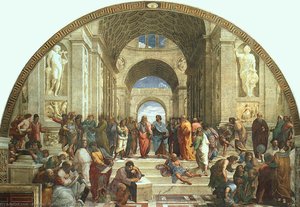 Афинская школа1511
 Сикстинская Мадонна1513
 Преображение1520
 Свадьба девы Марии1504
Эссе к произведению The Transfiguration (detail)
 Who Made The Transfiguration? The Story of Raphael's Final MasterpieceDiscover the artist behind The Transfiguration and the dramatic shift in style that defines this High Renaissance masterpiece
 Masterpieces of Perfection: The Top 25 Greatest Artworks by RaphaelJourney through the sublime beauty of the High Renaissance with our curated list of Raphael's top 25 masterpieces. From iconic Madonnas to …
 16th century Italian paintersMasterpieces by Titian, Michelangelo, and Raphael define the Italian Renaissance. Explore the full collection online at OriginalUniqueArt.c…